Unique Facts About the Discovery of Anesthesia: A Medical Revolution
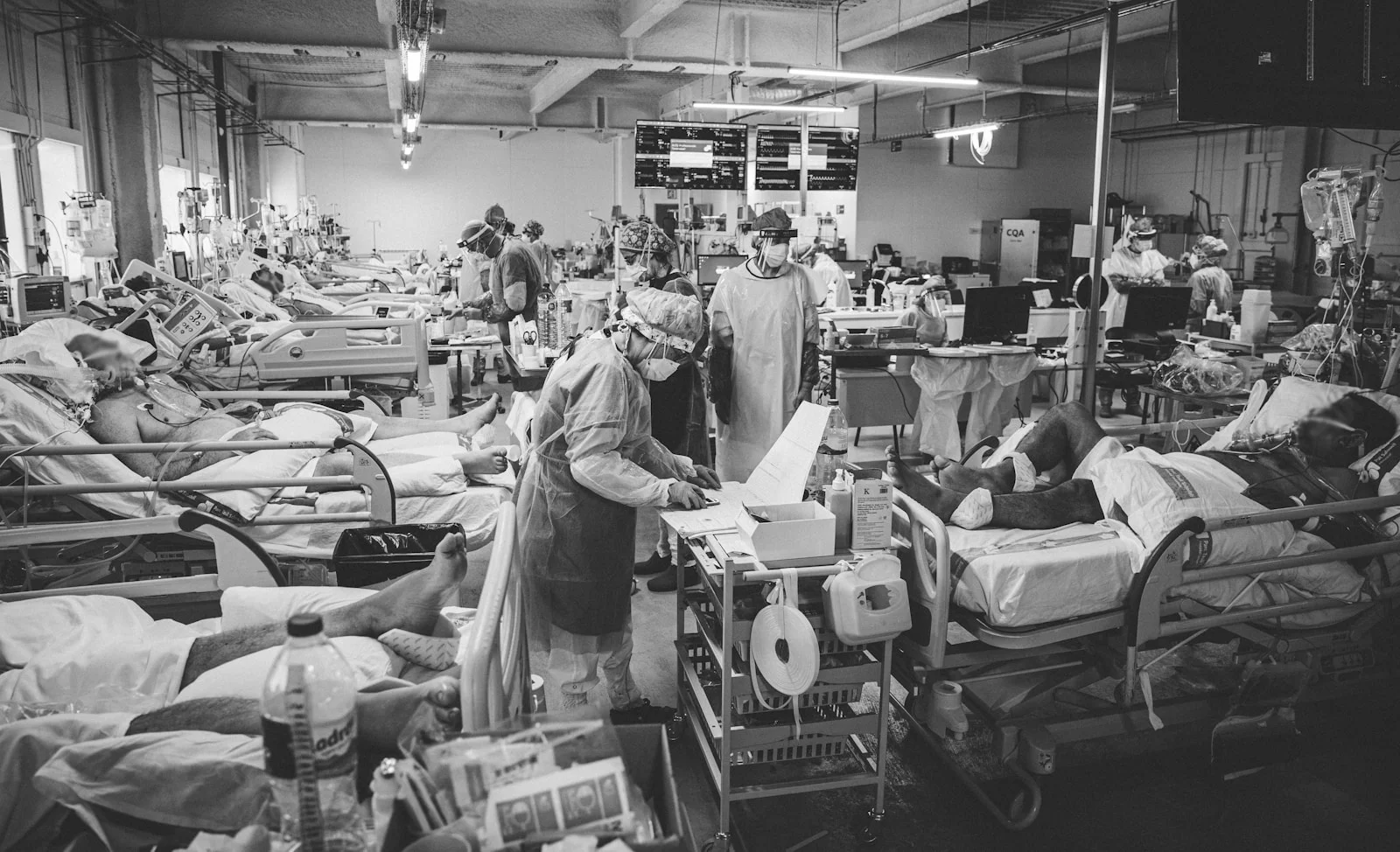
Fact Fans, have you ever imagined undergoing surgery without anesthesia? The unbearable pain would surely be a terrifying nightmare. We are fortunate to live in this modern era, where anesthesia has become an indispensable part of medical procedures. However, behind the comfort we enjoy, there is a long and dramatic story about the discovery of anesthesia that changed the face of medicine forever.
The discovery of anesthesia was not just an ordinary scientific finding; it was a revolution that saved millions of lives and enabled the development of modern surgery. This article will take Fact Fans through various unique facts about the discovery of anesthesia, from the bold early experiments to the historical moments that shifted the paradigm of treatment. Let’s explore this extraordinary journey together.
7 Unique Facts About the Discovery of Anesthesia
1. Laughing Gas: Early Pioneer in Pain Relief
Before ether took center stage, nitrous oxide, commonly known as “laughing gas,” was one of the first substances explored for its potential to reduce pain. Its recreational use at “laughing gas parties” in the early 19th century inadvertently revealed its analgesic effects. Humphry Davy, a British chemist, noted the gas’s potential for surgery as early as 1799, though his ideas weren’t widely adopted at the time. This concept resurfaced decades later, paving the way for further exploration of anesthetic agents.



Dentist Horace Wells in Hartford, Connecticut, was among the first to seriously attempt using nitrous oxide for tooth extractions in 1844, after observing its effects at a public demonstration. This experiment, though not always smooth, marked a significant step towards more systematic use of anesthesia (Source: National Library of Medicine).
2. The Ether Controversy: From Parties to Operating Rooms
Diethyl ether, or simply ether, also has a fascinating history. Like laughing gas, ether was initially popular at recreational parties where people inhaled its vapors to experience euphoria. At one such “ether frolic” in Georgia, physician Crawford Williamson Long observed that his friends under the influence of ether felt no pain when they fell or were injured. This observation prompted Long to use it in a surgical removal of a tumor from a patient’s neck, James Venable, in 1842. However, Long did not immediately publish his findings.
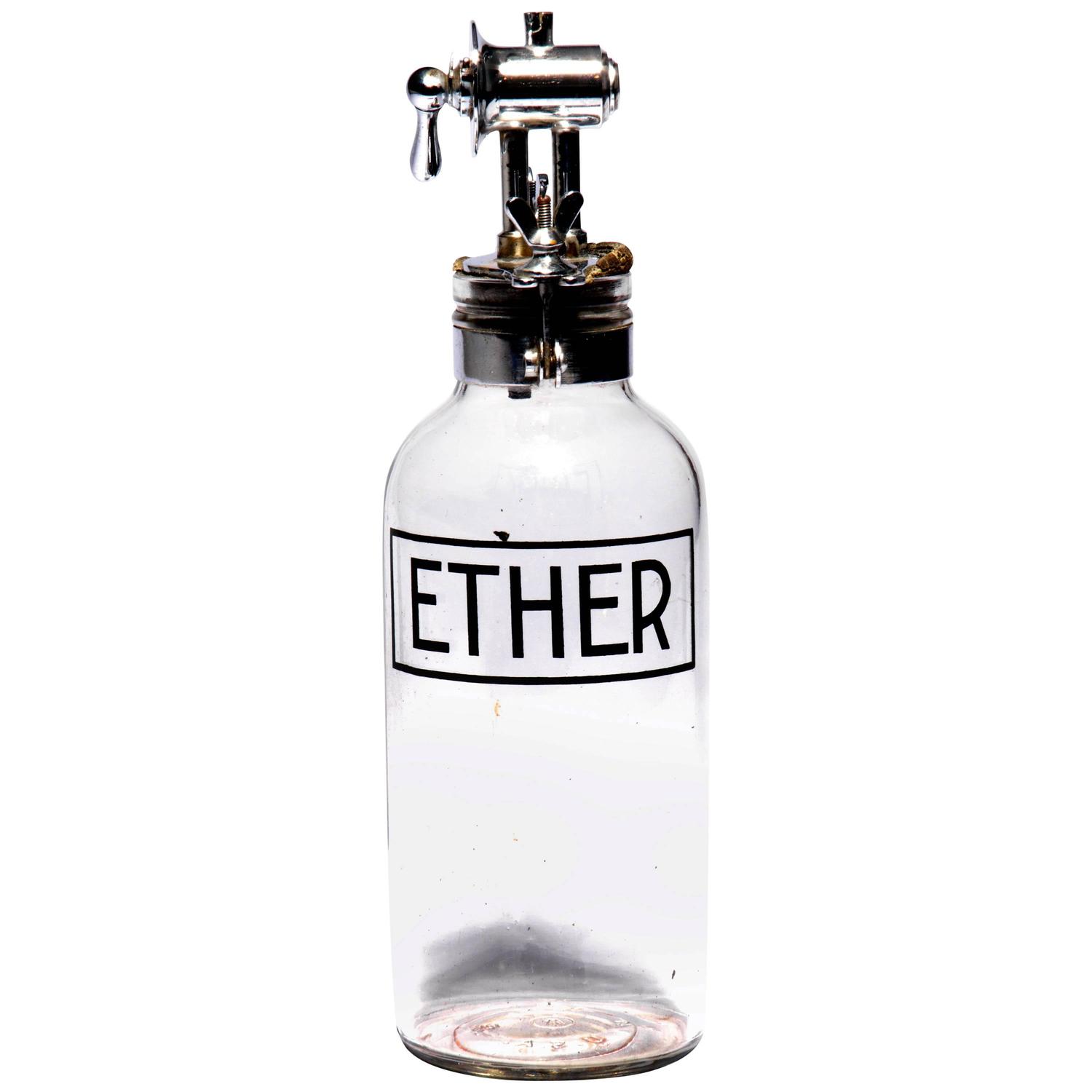
This delayed publication became the source of intense disputes over who was the true first discoverer of ether anesthesia. Several individuals, including William T.G. Morton and Charles T. Jackson, also claimed credit for the discovery, sparking a lengthy controversy in the medical world (Source: JSTOR).
3. The Historic Boston Ether Demonstration
The most well-known moment in the history of the unique facts about the discovery of anesthesia is the public demonstration by dentist William T.G. Morton on October 16, 1846, at Massachusetts General Hospital in Boston. Morton used ether to anesthetize a patient named Edward Gilbert Abbott, who underwent a neck tumor removal surgery by Dr. John Collins Warren. The surgery was successful, with the patient experiencing no pain, in front of many skeptical doctors and medical students. This event is known as “Ether Day” and is widely recognized as a turning point in surgical practice.
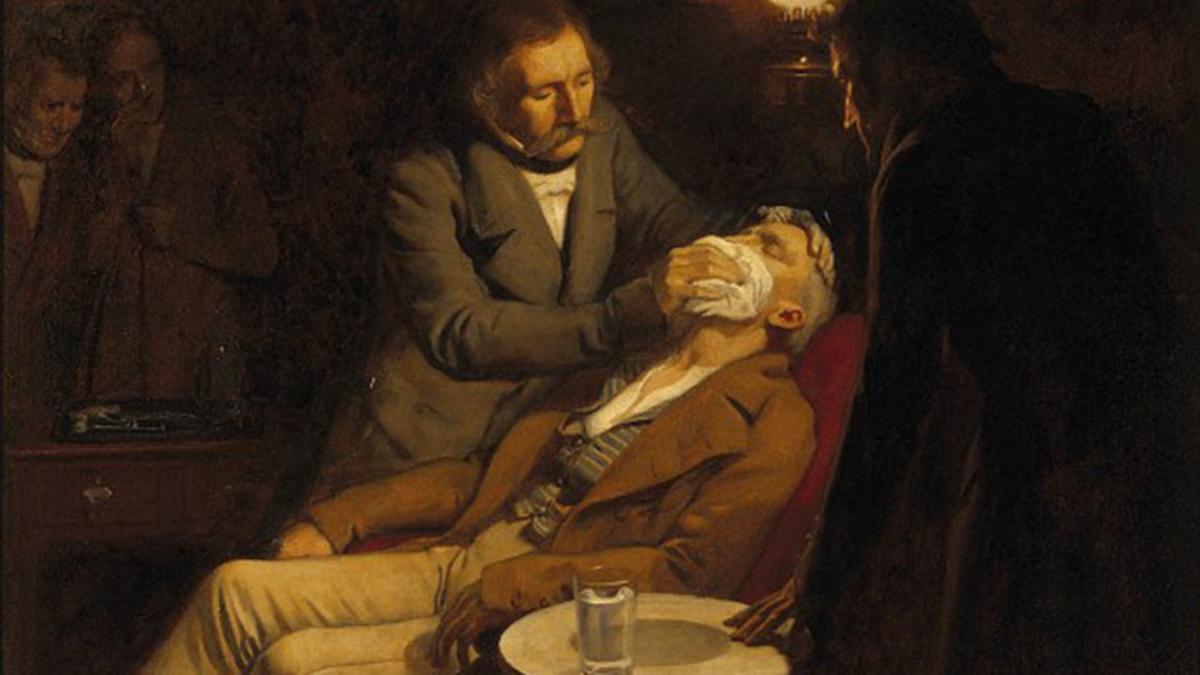
This success quickly spread worldwide, transforming surgical practice from a painful ordeal into a more humane and safe procedure. This demonstration not only proved the effectiveness of anesthesia but also opened doors for further exploration in the field of anesthetic pharmacology (Source: Massachusetts General Hospital).
4. Chloroform: Ether’s Controversial Competitor
Shortly after ether gained popularity, chloroform was introduced by James Young Simpson, a Scottish obstetrician, in 1847. Simpson sought an anesthetic agent that was more convenient and faster-acting than ether. Chloroform quickly gained popularity due to its quicker effects and the smaller dose required. In fact, Queen Victoria herself used chloroform during the birth of her eighth child, Prince Leopold, in 1853, which significantly boosted public acceptance of anesthesia.

However, chloroform also had a dark side. The narrow margin between its anesthetic effect and its cardiotoxicity led to the deaths of several patients. This sparked fierce debate about chloroform’s safety compared to ether, ultimately leading ether to become the preferred choice again until the emergence of more modern and safer anesthetic agents (Source: Anesthesia & Analgesia).
5. Local Anesthesia: A Breakthrough for Minor Surgery
Beyond general anesthesia, which renders patients unconscious, the discovery of local anesthesia was also a major breakthrough. In 1884, Karl Koller, an Austrian ophthalmologist, demonstrated the use of cocaine as a local anesthetic for eye surgery. He observed that drops of a cocaine solution on the eye could eliminate pain sensation without the patient losing full consciousness. This allowed minor surgical procedures to be performed more safely and comfortably, without the risks of general anesthesia.

This discovery paved the way for the development of various other local anesthetics, such as procaine, lidocaine, and bupivacaine, which are now standard in numerous dental procedures, minor surgeries, and childbirth. Koller’s contribution changed the perspective on pain management, offering a more targeted alternative (Source: American Academy of Ophthalmology).
6. Disputes and Tragicomedy of the Discoverers
The story of unique facts about the discovery of anesthesia is also marked by fierce disputes over who deserved credit as the discoverer. William T.G. Morton, Horace Wells, Crawford Long, and Charles T. Jackson were all involved in bitter claims and lawsuits. Ironically, many of those involved in this discovery did not enjoy commensurate glory or wealth. Some even met tragic ends, such as Horace Wells, who died by suicide, and Morton, who died in poverty after years of struggling over patent rights.

These disputes highlight the complexity of attribution in scientific discovery, especially when multiple individuals work independently or in close succession. Nevertheless, their legacy in freeing humanity from pain remains undeniable, albeit at a high personal cost for some of the discoverers (Source: Anesthesia & Analgesia).
7. Evolution of Anesthesia Delivery Systems
The equipment used to deliver anesthesia has also undergone remarkable evolution. From initially using just cloths or sponges soaked in ether or chloroform held over the patient’s nose and mouth, we now have sophisticated anesthesia machines capable of precisely controlling gas and oxygen doses. These modern machines are equipped with monitors that track the patient’s vital signs in real-time, ensuring maximum safety during procedures.

Innovations in anesthesia equipment have played a crucial role in reducing the risk of complications and enabling more complex surgeries. This evolution reflects a continuous commitment to improving patient safety and the effectiveness of medical interventions, making it one of the greatest medical revolutions (Source: American Society of Anesthesiologists).
The story of anesthesia’s discovery is a reflection of human persistence in overcoming pain and suffering. From daring early experiments to precise modern technology, this journey has transformed how we view medicine and surgery. Without the contributions of these pioneers, the medical world would not be what it is today.
Hopefully, these unique facts about the discovery of anesthesia provide new insights for Fact Fans into one of the greatest breakthroughs in medical history. We must always appreciate the legacy of those who fought to free humanity from the shackles of pain. Visit our homepage for more insights.