Exploring 7 Unique Japanese Family Traditions: From Co-Sleeping Rituals to the 3rd Birthday Ceremony
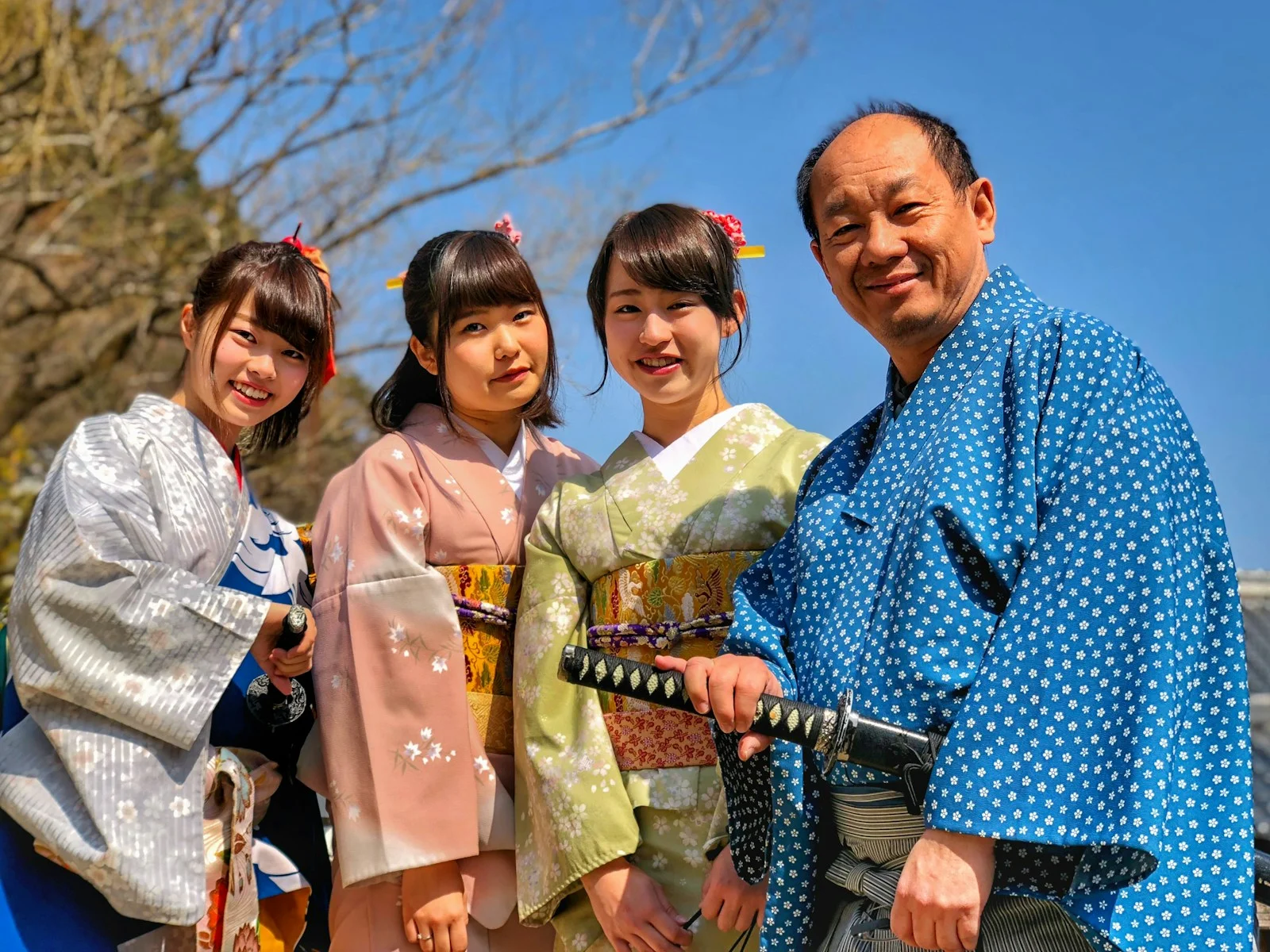
Hello, Fact Fans! Japan, a nation celebrated for its captivating blend of ancient customs and cutting-edge modernity, never ceases to amaze. Beyond its bustling cities and technological marvels lies a robust foundation that shapes its society: the family. Japanese family traditions are more than mere habits; they are the heart that pumps values, bonds, and identity from one generation to the next, weaving a rich tapestry of cultural heritage.
The warmth and profound depth of family relationships in Japan often manifest through practices that might appear unique to Western eyes. From simple daily rituals to grand, meaningful celebrations, each tradition holds its own story and purpose in strengthening the ties between family members. Let’s delve deeper and uncover 7 Unique Japanese Family Traditions that radiate warmth and togetherness, from the custom of co-sleeping to special age celebrations for children.
1. Kazoku Danran: The Tradition of Co-Sleeping for Stronger Bonds
Sleeping Together: More Than Just Comfort
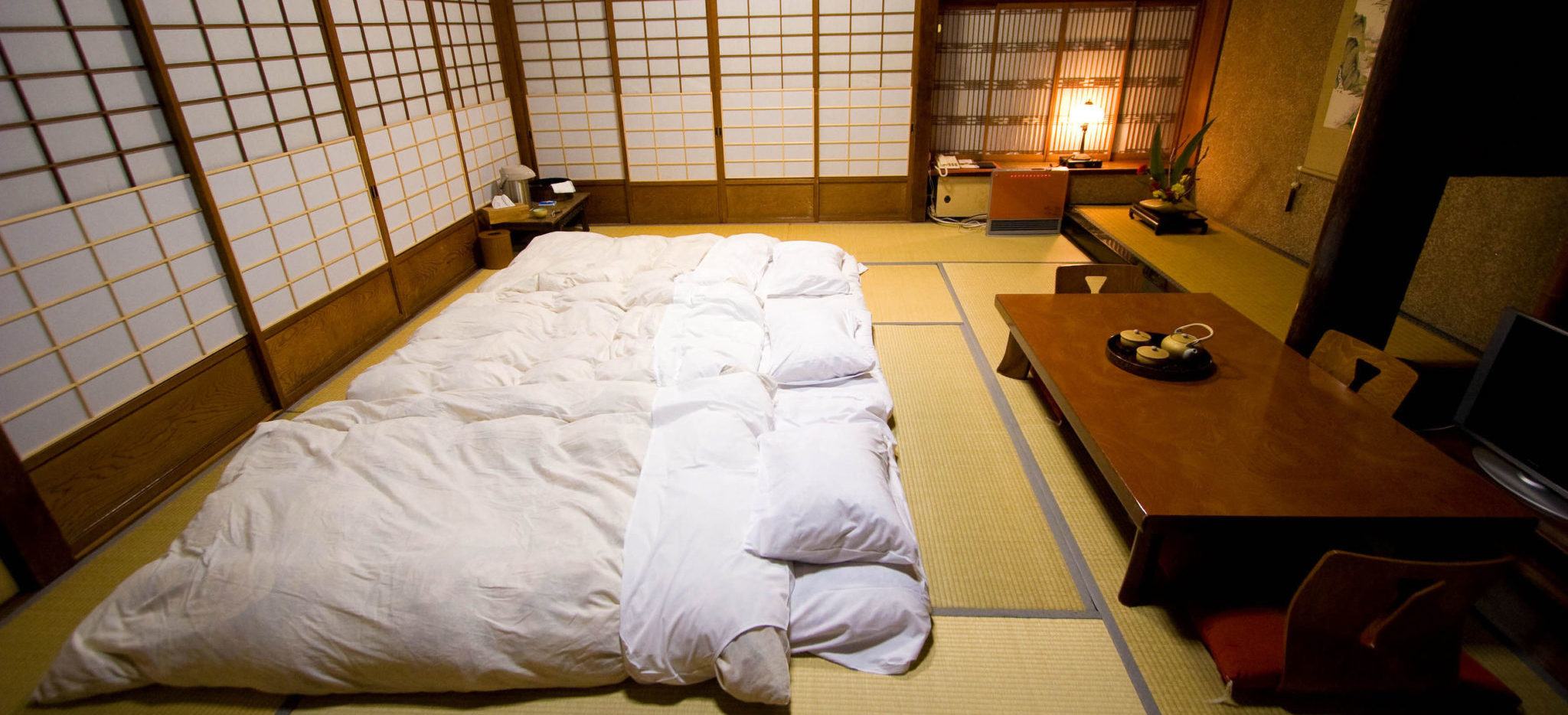
One of the most distinctive family traditions in Japan is “Kazoku Danran,” or family co-sleeping. Unlike many Western cultures that emphasize early independence with children sleeping in separate rooms, in Japan, it’s common for parents and children to sleep together in one room, often on futons laid out on the floor. This practice is not just about practicality; it embodies a deep philosophy of emotional connection and security.

This tradition is believed to foster a strong sense of safety and togetherness between parents and children. Children feel protected and loved, while parents can more easily comfort and care for their little ones. This intimate sleeping arrangement becomes a space for non-verbal communication and strengthens an irreplaceable bond of affection. Co-sleeping is also considered a way to instill values of togetherness and mutual dependence within the family (Source: Child & Family Blog).
2. Shichi-Go-San: Celebrating the Milestones of Ages 3, 5, and 7
A Colorful Ceremony for Children’s Health
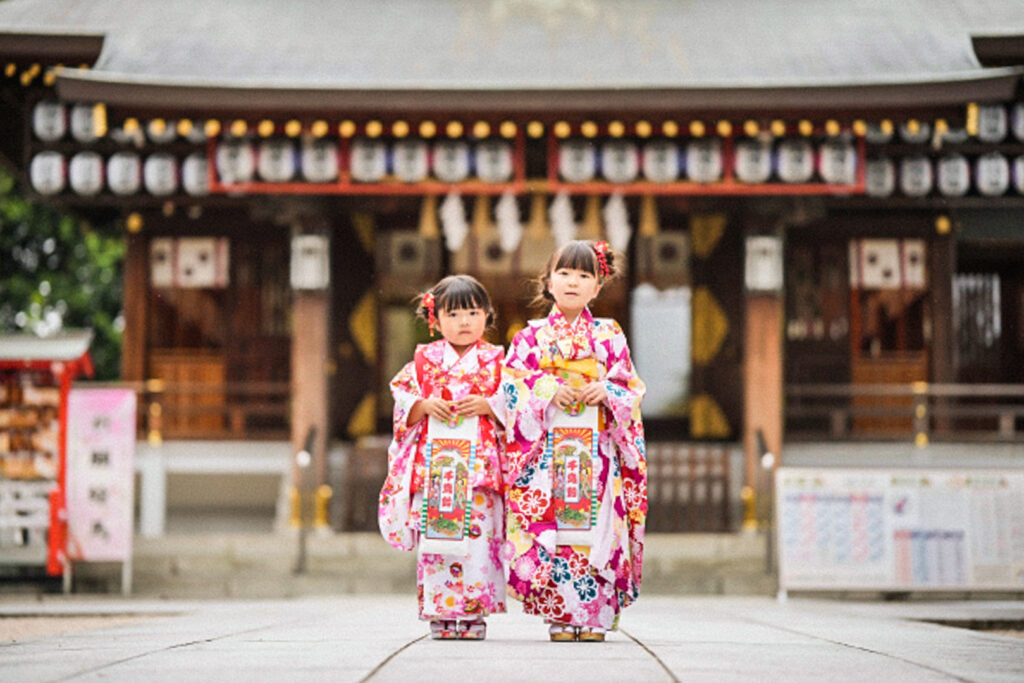
Shichi-Go-San, which literally translates to “Seven-Five-Three,” is a crucial celebratory ceremony held on November 15th each year for boys aged three and five, and girls aged three and seven. These odd numbers are considered lucky in Japanese culture. This tradition is a moment for families to visit Shinto shrines, express gratitude for their children’s growth, and pray for their future health and good fortune.
Children are dressed in beautiful, colorful traditional kimonos, creating a highly photogenic scene. They often receive “chitose ame” or “thousand-year candy,” a long stick candy symbolizing longevity and healthy growth. The Shichi-Go-San ceremony is a sweet way for families to cherish each stage of a child’s development, while also preserving a rich cultural heritage (Source: LIVE JAPAN).
3. Oshogatsu: The Warmth of Family in Japanese New Year
The Most Important Celebration in the Calendar
Japanese New Year, or Oshogatsu, is the most significant and festive celebration in Japanese culture, centered around family togetherness. It is a time for family members from various places to reunite, clean their homes, and welcome the new year with hope and prayers. Preparations begin long before January 1st, with thorough house cleaning (osoji) and decorating with auspicious ornaments.
The New Year’s feast, known as Osechi-ryori, is a special meal served in stacked lacquer boxes, where each dish carries symbolic meaning for good fortune and prosperity. Children receive “otoshidama,” envelopes containing money from older family members, as a symbol of good luck. Additionally, many families perform “hatsumode,” the first visit to a Shinto shrine or temple of the new year, to pray and reflect (Source: Japan Times).
4. Hinamatsuri: The Doll Festival for Girls
Wishing a Bright Future for Daughters
Every year on March 3rd, Japanese families with daughters celebrate Hinamatsuri, or the Doll Festival. This is a beautiful tradition where elaborate Hina dolls, representing the Emperor, Empress, and court attendants of the Heian period, are displayed on tiered platforms at home. These dolls are often family heirlooms passed down through generations, symbolizing parents’ hopes for their daughters’ happiness and health.
The Hina doll display is an art form that requires time and meticulous care to arrange. Families often hold small parties, enjoying traditional dishes such as chirashizushi (sushi rice with colorful toppings), hishi mochi (layered rice cakes), and the sweet drink amazake. Through Hinamatsuri, families teach their daughters about history, aesthetics, and the importance of preserving their cultural traditions (Source: Smithsonian Magazine).

5. Kodomo no Hi: Children’s Day and Symbols of Strength
Celebrating Boys with Koinobori
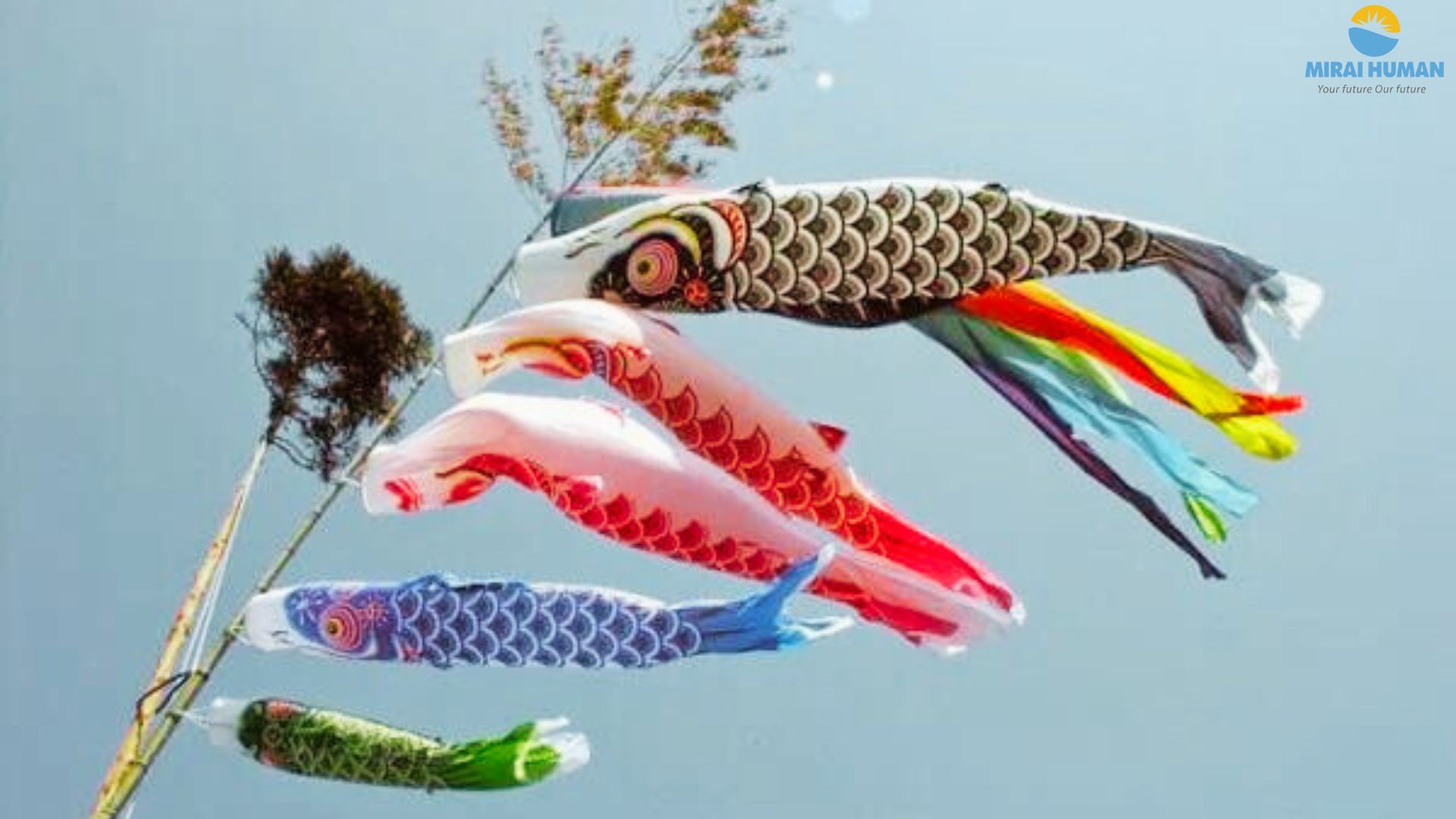
Formerly known as Tango no Sekku (Boy’s Day), it is now celebrated nationally as Kodomo no Hi, or Children’s Day, every May 5th. While the name has changed to encompass all children, the tradition remains strongly associated with the celebration of boys. Families with sons will hoist “koinobori,” carp-shaped streamers, outside their homes.
The carp is chosen for its strength and ability to swim upstream, symbolizing parents’ hopes that their sons will grow up strong, brave, and successful in life. Inside the home, decorations like samurai warrior figurines, helmets (kabuto), or Kintaro dolls (a Japanese folk hero) are displayed. Families gather to enjoy special foods such as chimaki (steamed rice cakes) and kashiwamochi (rice cakes wrapped in oak leaves), celebrating the growth and future of their children (Source: Japan Travel).
6. Obon: Honoring Ancestors and Family Togetherness
A Meaningful Summer Festival
Obon is an annual Buddhist festival celebrated in the summer (typically in August) to honor the spirits of ancestors. This tradition is profoundly important for Japanese families as it is a time to return to one’s hometown, reunite with relatives, and remember those who have passed away. It is believed that during Obon, the spirits of ancestors return to their homes to visit their living relatives.
Various rituals are performed, including cleaning family graves (haka mairi), making offerings at home altars, and lighting lanterns. The festival often concludes with Bon Odori dances, communal dances performed in public spaces to welcome and then send off the spirits. In some regions, paper lanterns are floated down rivers or into the sea (toro nagashi) as a symbol of a peaceful farewell. Obon serves as a poignant reminder of the importance of family and the continuity of life (Source: Japan Guide).

7. Ofuro: The Family Bath Ritual That Unites
Relaxing and Intimate Time at the End of the Day
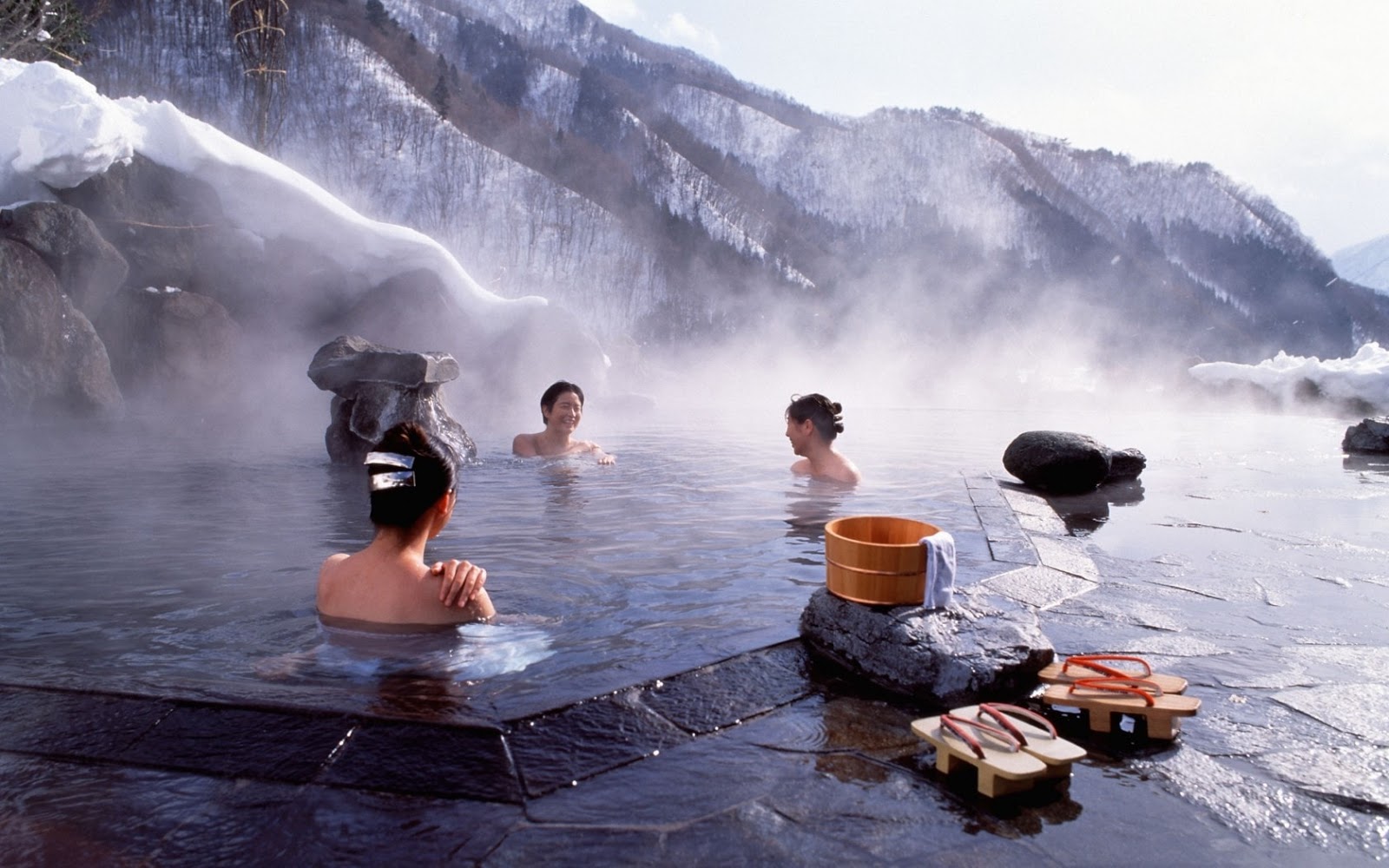
For many Japanese families, “ofuro” or bath time is more than just a hygiene routine; it’s a daily ritual that serves as a moment of relaxation, reflection, and intimate family bonding. After cleansing themselves with soap outside the tub, family members take turns soaking in the same hot water. The water is, of course, not changed for each person, as they are already clean before entering the bath. The order of bathing often begins with the father, followed by the children, and finally the mother.
This hot soak provides a unique opportunity for families to unwind together, chat about their day, or simply enjoy a calming silence. It’s a time when the day’s stresses can wash away, replaced by warmth and togetherness. This ofuro tradition underscores the importance of sharing space and time, strengthening communication and a sense of closeness within the family (Source: GaijinPot Travel).
From the warmth of shared futons to the tranquil silence of the bath, these 7 Unique Japanese Family Traditions illustrate how deeply family values are woven into daily life. They are not merely a series of practices, but pillars that support the social and emotional fabric of Japan, instilling a strong sense of respect, togetherness, and identity in each individual.
Learning about these traditions offers us valuable insights into how different cultures can enrich life through unique approaches. These practices remind us of the importance of preserving cultural heritage and continually strengthening family bonds, no matter where we are. We hope this article has given Fact Fans a new appreciation for the beautiful nation of Japan and its rich culture.
Visit our homepage for more insights.