7 Unique Thai Family Traditions That Will Absolutely Fascinate You
Thailand, the Land of Smiles, is renowned globally for its stunning temples, pristine beaches, and vibrant street food. Yet, beneath the surface of its tourist attractions lies a profound cultural richness, deeply rooted in centuries-old traditions that bind families together. These practices, often unseen by the casual visitor, form the very fabric of Thai society, fostering respect, unity, and a strong sense of identity among its people. From the bustling markets to serene rural villages, the emphasis on familial harmony and ancestral reverence remains a cornerstone.
While many are familiar with popular Thai festivals like Songkran or the iconic Wai greeting, the true depth of Thai family life is revealed in its unique daily rituals and ceremonies. These fascinating customs, passed down through generations, offer a captivating glimpse into the heart of Thai homes. They reflect a blend of Theravada Buddhist principles, animist beliefs, and ancient social codes, all contributing to a unique family dynamic that prioritizes collective well-being over individual desires. Prepare to be amazed as we unveil seven extraordinary Thai family traditions that are sure to pique your curiosity.
1. The Baby Badge Ceremony
In many Thai families, particularly in traditional settings, welcoming a newborn involves a distinctive “Baby Badge Ceremony.” This isn’t a formal religious rite but rather a cherished custom where a small, often intricately designed, badge or amulet is pinned to the baby’s clothing shortly after birth or during a special blessing. The badge, which can be made of silver, gold, or other precious materials, is believed to protect the infant from evil spirits and bring good luck and health. It symbolizes the family’s wishes for the child’s prosperity and well-being, acting as a tangible guardian in their earliest days. This tradition highlights the profound importance placed on spiritual protection and auspicious beginnings for new life.

2. Daily Elder Respect (The Morning Wai Ritual)
Respect for elders is a fundamental pillar of Thai culture, and this reverence is often expressed through a beautiful daily ritual. Every morning, children and younger family members perform a Wai – a graceful gesture of placing the palms together in a prayer-like fashion and bowing – to their parents, grandparents, and other senior family members. This isn’t merely a polite greeting; it’s a moment of profound respect and gratitude, often accompanied by soft-spoken words of blessing from the elders. This daily practice reinforces family hierarchy, teaches humility, and strengthens intergenerational bonds, ensuring that the wisdom and guidance of older family members are continually honored and appreciated within the household.
3. Merit-Making for Ancestors (Tam Boon)
A cornerstone of Thai family life is the practice of Tam Boon, or merit-making, especially for ancestors. Families frequently visit temples together to offer food, incense, and candles to monks, or to make donations. These acts of charity and devotion are believed to generate “merit” that can be transferred to deceased relatives, helping them achieve a better rebirth. This tradition is not confined to specific annual events; it’s a continuous effort to honor those who came before and ensure their spiritual well-being. It fosters a deep sense of continuity and obligation within the family, connecting the living with the departed and reinforcing the cyclical nature of life and spiritual progression in Buddhist belief.
4. Baan Mai (Traditional Housewarming Ceremony)
Moving into a new home in Thailand is often marked by a significant family tradition known as Baan Mai, a traditional housewarming ceremony. Unlike a casual party, this event is deeply spiritual and involves inviting monks to bless the new dwelling. Family members and close friends gather as monks chant prayers, sprinkle holy water throughout the house, and tie sacred strings (sai sin) around the property to ward off evil spirits and invite good fortune. This ceremony is a communal effort to purify the space, ensure harmony, and invite prosperity for the family residing there. It symbolizes not just a new chapter, but a collective blessing from the community and the spiritual realm, ensuring the home is a sanctuary of peace.

5. Songkran Family Reunion and Cleansing
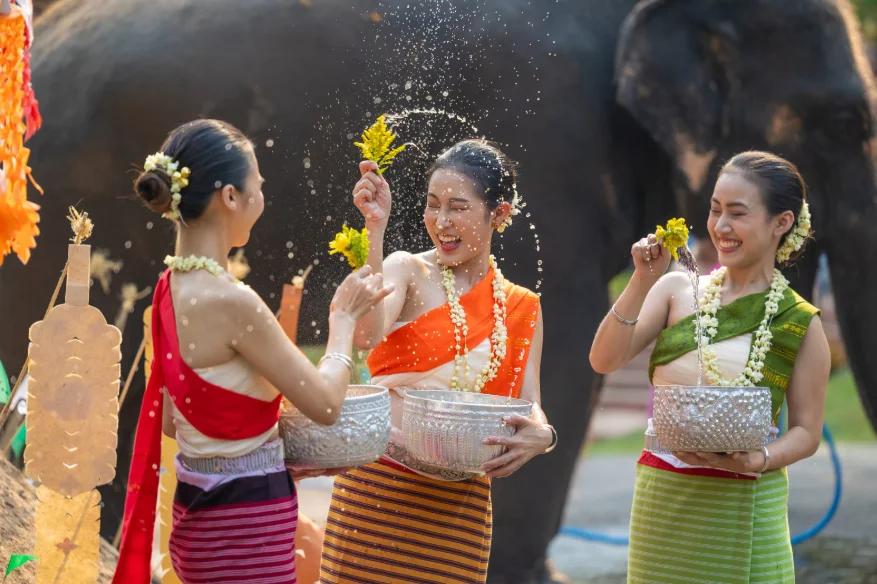
While Songkran is famously known as the Water Festival, its deeper significance lies in its role as a grand family reunion and a time for spiritual cleansing. During the multi-day celebration of the Thai New Year, families travel across the country to return to their ancestral homes. Key family traditions include visiting temples to pour scented water over Buddha statues, symbolizing purification and good wishes. More intimately, younger family members gently pour water over the hands of their elders – a ritual called “Rod Nam Dam Hua” – to show respect and receive blessings for the coming year. This tradition beautifully combines joyous celebration with profound respect, bringing families together to purify, reconnect, and honor their lineage.
6. Loy Krathong: Shared Wishes and Forgiveness
The annual festival of Loy Krathong, where beautiful floating lanterns (krathongs) are released onto rivers and lakes, is another profoundly family-centric tradition. Families gather to craft their elaborate krathongs, often made from banana leaves and decorated with flowers, candles, and incense. As they launch their krathongs together, it’s a moment for reflection, making wishes for the future, and symbolically letting go of misfortunes or grudges from the past. Often, a small piece of hair or nail clipping is placed in the krathong to signify releasing negativity. This shared activity fosters unity, teaches the value of forgiveness, and allows families to collectively express hopes and fears in a beautiful, symbolic gesture under the moonlight.
7. Communal Meal Sharing and Prik Khing
Food is central to Thai family life, and communal meal sharing is a daily ritual that strengthens bonds. Unlike Western dining where individual portions are common, Thai meals are typically served “family style,” with numerous dishes placed in the center of the table for everyone to share. This practice encourages conversation, sharing, and ensuring everyone is well-fed. A classic example of a dish central to such communal meals is Prik Khing, a flavorful stir-fried curry paste dish. The act of sharing food, especially dishes like Prik Khing that are prepared with love and shared among loved ones, symbolizes the family’s unity and mutual care. It’s a daily affirmation of togetherness, where the act of eating is as much about connection as it is about sustenance.
These seven unique Thai family traditions offer more than just fascinating insights into a different culture; they provide a powerful testament to the enduring human need for connection, respect, and spiritual well-being. From the protective symbols for newborns to the daily reverence for elders and the communal joy of festivals, each custom weaves a thread into the rich tapestry of Thai family life. They highlight how cultural practices can transcend mere routine, becoming profound expressions of love, duty, and shared heritage.
Understanding these traditions helps us appreciate the depth and beauty of Thai culture beyond its popular facades. They serve as a reminder that the true essence of a society often lies within the intimate rituals performed within the family unit. As you discover these unique customs, you gain not just knowledge, but a deeper respect for the diverse ways families around the world preserve their values and pass on their legacy. These traditions are not just relics of the past; they are living, breathing practices that continue to shape the present and future of Thailand’s remarkable society.