
The Wonders of Galápagos: Animals and Plants from the Galápagos Islands Unveiled
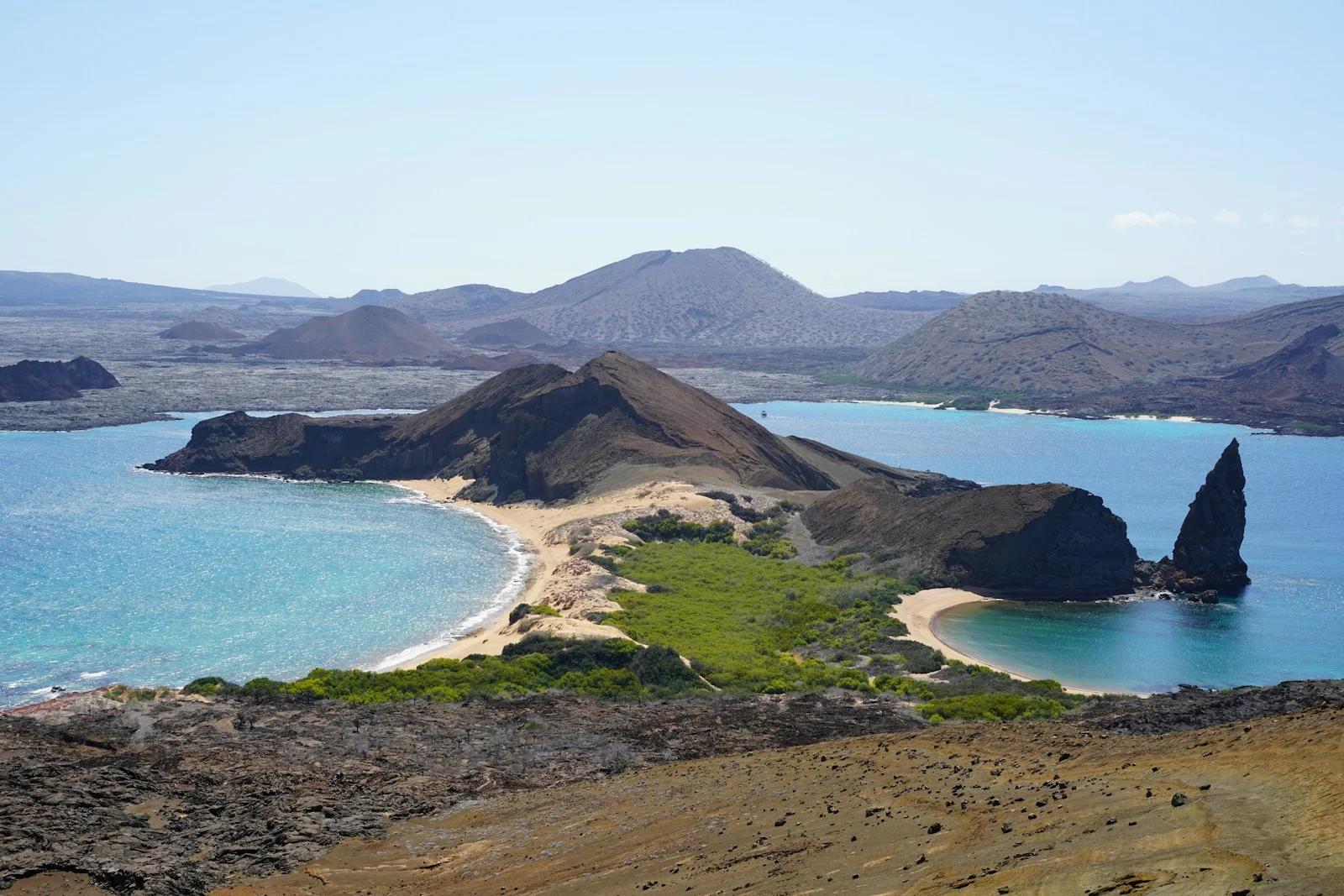
Welcome, Fact Fans! Have you ever envisioned a place where nature’s ingenuity is on full display, sculpting biological masterpieces unlike anywhere else? That place exists, and it’s known as the Galápagos Islands! This remote volcanic archipelago, nestled in the Pacific Ocean, is not merely a tourist destination. It serves as a living laboratory, unraveling the profound mysteries of evolution. Here, the animals and plants from the Galápagos Islands have adapted in such extraordinary ways that they famously inspired Charles Darwin to develop his world-changing theory. Join us as we delve into the unique aspects of the animals and plants from the Galápagos Islands that continue to astound scientists and enthusiasts alike.
1. The Galápagos Archipelago: Evolution’s Living Laboratory
An Amazing Archipelago with Unique Biodiversity
Fact Fans, picture an archipelago where evolution has sculpted a truly unique ecosystem. The Galápagos Islands are a living laboratory of biodiversity. This remote volcanic chain boasts an extraordinary collection of endemic species. These species are found nowhere else on Earth. The isolation and diverse habitats have fostered unparalleled adaptive radiation. This makes it a critical site for understanding life’s astonishing capacity for specialization and survival. It’s a powerful testament to nature’s endless creativity and resilience. Furthermore, the Galápagos is a true natural masterpiece. The incredible diversity of animals and plants from the Galápagos Islands underscores its global ecological significance.
Studies emphasize that the geographical isolation of the Galápagos Islands has facilitated the evolution of remarkably unique endemic species, making each island a distinct ecological niche (UNESCO).
2. Marine Iguanas: The World’s Only Sea-Going Lizards
Marine Iguanas: Unique Diving Reptiles
Among the most iconic inhabitants are the Marine Iguanas (Amblyrhynchus cristatus). They are the world’s only sea-going lizards. These remarkable reptiles have evolved the ability to forage for algae underwater. They dive into the chilly Pacific currents. To cope with the high salt intake from their diet, they possess specialized glands. These glands allow them to “sneeze out” excess salt, a fascinating physiological adaptation. Intriguingly, the sex of hatchlings can be determined by nest temperature. This is a crucial factor in their reproductive strategy. This adaptation highlights the intricate ways species respond to environmental pressures. These iguanas are a prime example of the specialized animals and plants from the Galápagos Islands.
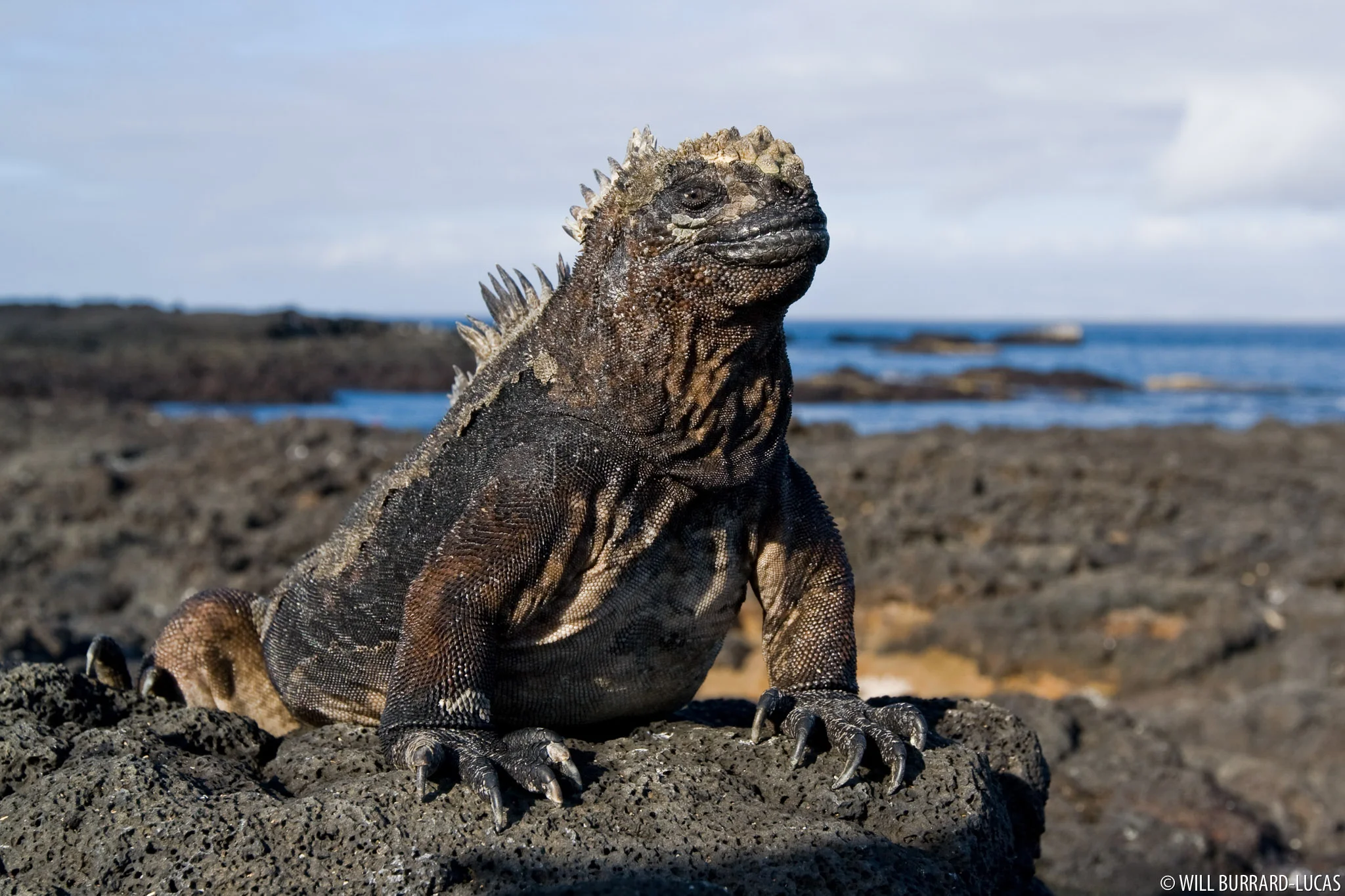
Research indicates that marine iguanas have evolved unique physiological mechanisms, including specialized salt glands, enabling them to thrive on a diet of marine algae (Britannica).
3. Galápagos Mockingbirds: Darwin’s Overlooked Muse
Galápagos Mockingbirds: Witnesses to Evolution
The Galápagos Mockingbirds (Mimus, previously Nesomimus) hold a special place in evolutionary biology. They famously captured Charles Darwin’s attention. Unlike the more celebrated finches, it was the distinct variations among mockingbird species across different islands that first piqued Darwin’s curiosity about species divergence. These birds showcase subtle but significant adaptations in beak size, plumage, and behavior. Thus, they provide compelling evidence for natural selection and speciation in isolated island environments. These small birds offer profound lessons about the evolutionary pathways of animals and plants from the Galápagos Islands.
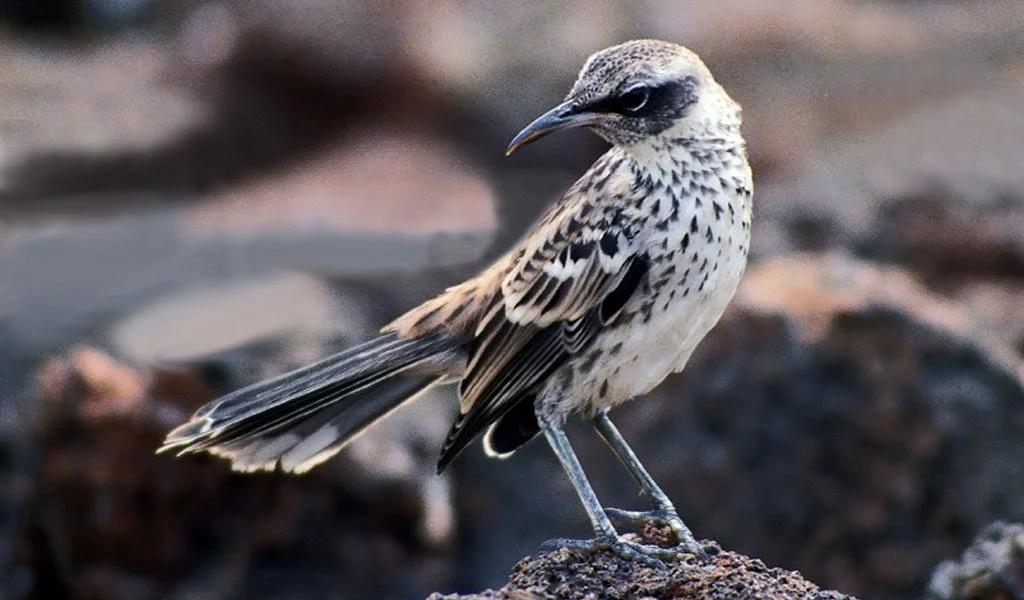
Historical accounts confirm that Darwin’s observations of mockingbirds, specifically their island-specific variations, were instrumental in shaping his early thoughts on evolutionary theory (American Museum of Natural History).
4. Galápagos Giant Tortoises: Ancient Architects of the Islands
Galápagos Giant Tortoises: Eternal Icons
The Galápagos Giant Tortoises (Chelonoidis spp.) are perhaps the most iconic inhabitants. They lend their name to the archipelago (‘galápago’ is an old Spanish word for saddle, referring to the shape of some tortoise shells). These ancient reptiles, some living for over a century, play a crucial ecological role as ecosystem engineers. They shape vegetation distribution through their grazing and seed dispersal. Each island’s tortoise population has distinct shell morphologies. This is a striking example of adaptive evolution driven by local environmental pressures and food sources. They embody resilience and the slow, deliberate pace of natural change. These magnificent creatures are quintessential animals and plants from the Galápagos Islands.

Conservation efforts for the Galápagos giant tortoises highlight their status as critically important species, with distinct subspecies evolving on different islands (IUCN Red List).
5. A Fearless World: Wildlife’s Trust in Humanity
A Fearless World: Animals and Humans Coexist
One of the most enchanting aspects of the Galápagos is the remarkable tameness of its wildlife. Unlike animals in many other parts of the world, Galápagos creatures display an astonishing lack of fear towards humans. This unique behavior stems from their evolutionary history on islands devoid of large land predators. This absence allowed them to evolve without developing defensive fear responses. Thus, it offers visitors an unparalleled opportunity to observe wildlife at close quarters. This fosters a profound sense of connection and responsibility towards their preservation. It’s a humbling reminder of what a harmonious relationship with nature can look like. This unique interaction defines the experience of observing animals and plants from the Galápagos Islands.
Numerous scientific observations confirm that the tameness of Galápagos wildlife is a direct result of their long-term isolation from terrestrial predators, making them unique globally (Scientific American).
6. Endemic Plants: The Unsung Heroes of Island Ecosystems
Importance of Endemic Plants: Ecosystem Supporters
While often overshadowed by its charismatic fauna, the flora of the Galápagos Islands is equally compelling and vital. The archipelago hosts a significant number of endemic plant species. These include unique cacti like the prickly pear (Opuntia echios) with its tree-like trunk, and Scalesia trees (Scalesia spp.), often called ‘Darwin’s giant daisies.’ These endemic plants form the foundational elements of the island ecosystems. They provide crucial food sources, habitat, and maintain soil stability. Furthermore, they demonstrate exquisite adaptations to volcanic soil, arid conditions, and specific island microclimates. They are a testament to botanical resilience and unique evolutionary pathways. The intricate relationship between animals and plants from the Galápagos Islands is truly remarkable.
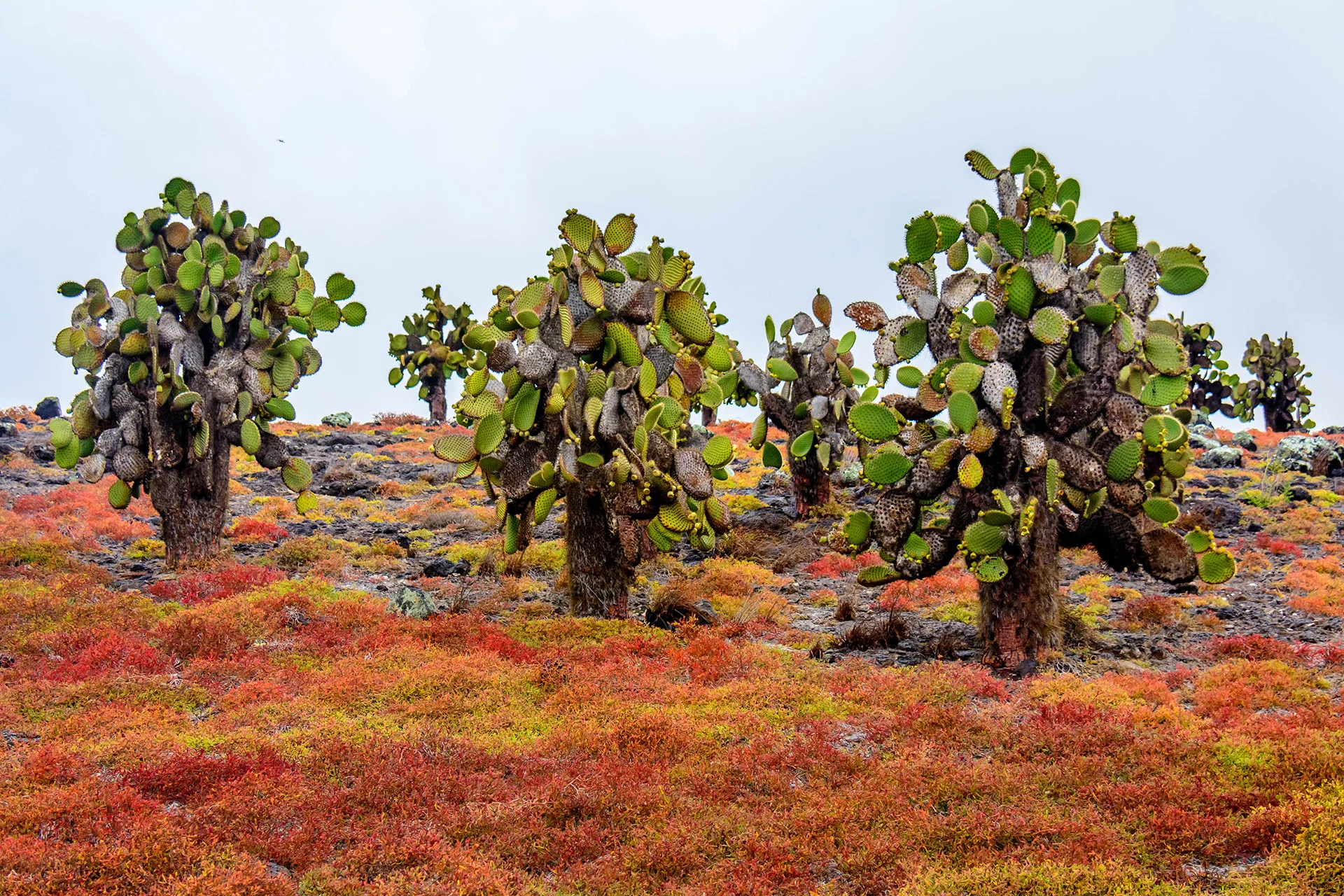
Botanical studies highlight the extraordinary diversity and endemism of plant life in the Galápagos, with unique species like Scalesia playing a vital role in island ecology (Kew Royal Botanic Gardens).
7. Darwin’s Revelation: How Galápagos Changed Science Forever!
Inspiration for Darwin’s Theory of Evolution
The Galápagos Islands are indelibly linked to one of science’s most profound breakthroughs: Charles Darwin’s theory of evolution by natural selection. During his voyage on the HMS Beagle in 1835, Darwin observed the distinct variations among species. This was particularly true for the finches and mockingbirds across the different islands. These observations were pivotal, providing him with critical insights into how species adapt to their environments and diverge over time. Consequently, this fundamentally shaped our understanding of life’s diversity and interconnectedness. The islands remain a vibrant, living laboratory, continually affirming the power and elegance of natural selection. They inspire us to always seek deeper understanding and appreciate the intricate tapestry of life. This historical connection elevates the status of the animals and plants from the Galápagos Islands.

The legacy of Darwin’s visit to the Galápagos continues to inform modern evolutionary biology, with ongoing research confirming the foundational role of his observations (Scientific American).
Reflection from the Islands of Wonder: Adaptation, Harmony, and Our Future
Fact Fans, from the animals and plants from the Galápagos Islands, we learn that true wonder lies in the ability to adapt, to find unique ways of living, and to interact harmoniously with the environment. The animals there teach us about tranquility and trust, while the plants demonstrate extraordinary resilience. They are a reflection of the immense potential that exists in every corner of life, including within ourselves. This intricate balance is vital for the survival of the animals and plants from the Galápagos Islands.
The story of the animals and plants from the Galápagos Islands is not merely biological; it is profoundly inspirational. It serves as a potent reminder that amidst challenges, there is always a path to innovation and survival. Like Darwin, we are invited to continuously observe, learn, and embrace change. Let us adopt this spirit of adaptation in our daily lives, becoming more flexible, resilient, and perpetually curious individuals. We all possess the capacity to be agents of change, protecting this natural beauty, and fostering a more harmonious world.
For more enthralling facts and insights into the wonders of our world, visit DepoTopic.com and expand your knowledge with our diverse articles!
Looking to establish a unique online presence, just like the animals and plants from the Galápagos Islands? We specialize in professional, modern, and SEO-optimized WordPress website development. Elevate your brand and reach a global audience! Don’t hesitate to Contact Us for a free consultation!


