
7 Mind-Blowing Facts About Antarctica Animals and Plants
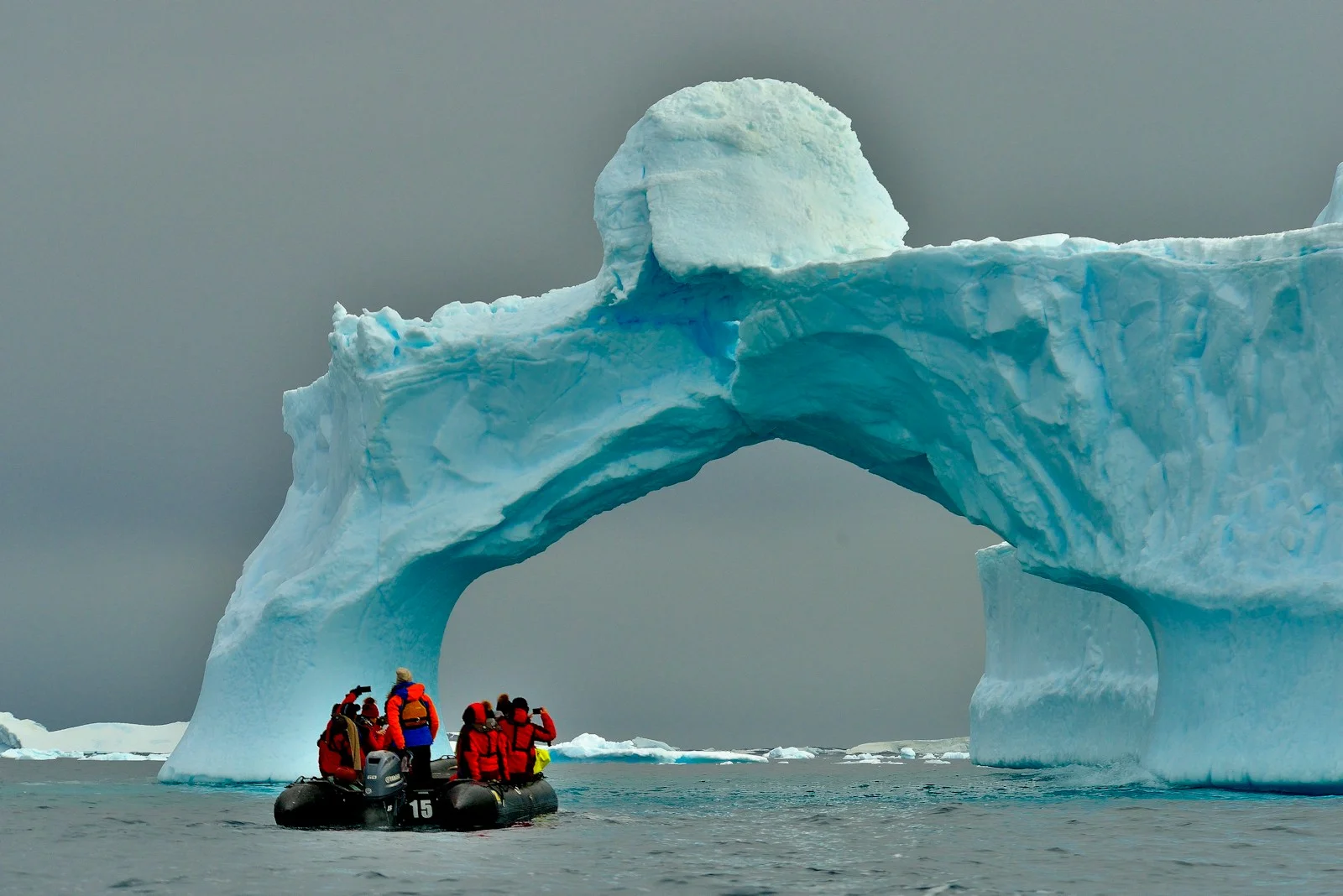
Hello, Fact Fans! Have you ever pondered a place on Earth so incredibly cold that the very air seems to freeze your thoughts? A realm where ice isn’t just a surface, but the very essence of its landscape? We are, of course, talking about Antarctica Animals and Plants, the Earth’s southernmost continent, a land of stark beauty and profound scientific intrigue.
Often perceived as a barren wasteland of ice and snow, Antarctica is, in fact, a vibrant, albeit specialized, ecosystem. Beneath its colossal ice sheets and relentless blizzards, a unique tapestry of life thrives, demonstrating extraordinary adaptations to an environment that constantly pushes the boundaries of survival. If you’re ready to have your mind blown and your understanding of life expanded, join us as we explore 7 mind-blowing facts about Antarctica Animals and Plants!
1. Antarctica: Home to Extreme Survivors in a Frozen World!

Fact Fans, prepare to be amazed. The average temperature in Antarctica hovers around -49 degrees Celsius (-56 Fahrenheit), and winter lows can plummet to an astonishing -89 degrees Celsius (-128 Fahrenheit)! This isn’t just cold; it’s a profound, life-threatening frigidity that would turn most other life forms into solid blocks of ice. Yet, life persists and even flourishes, defining the spirit of Antarctica Animals and Plants.

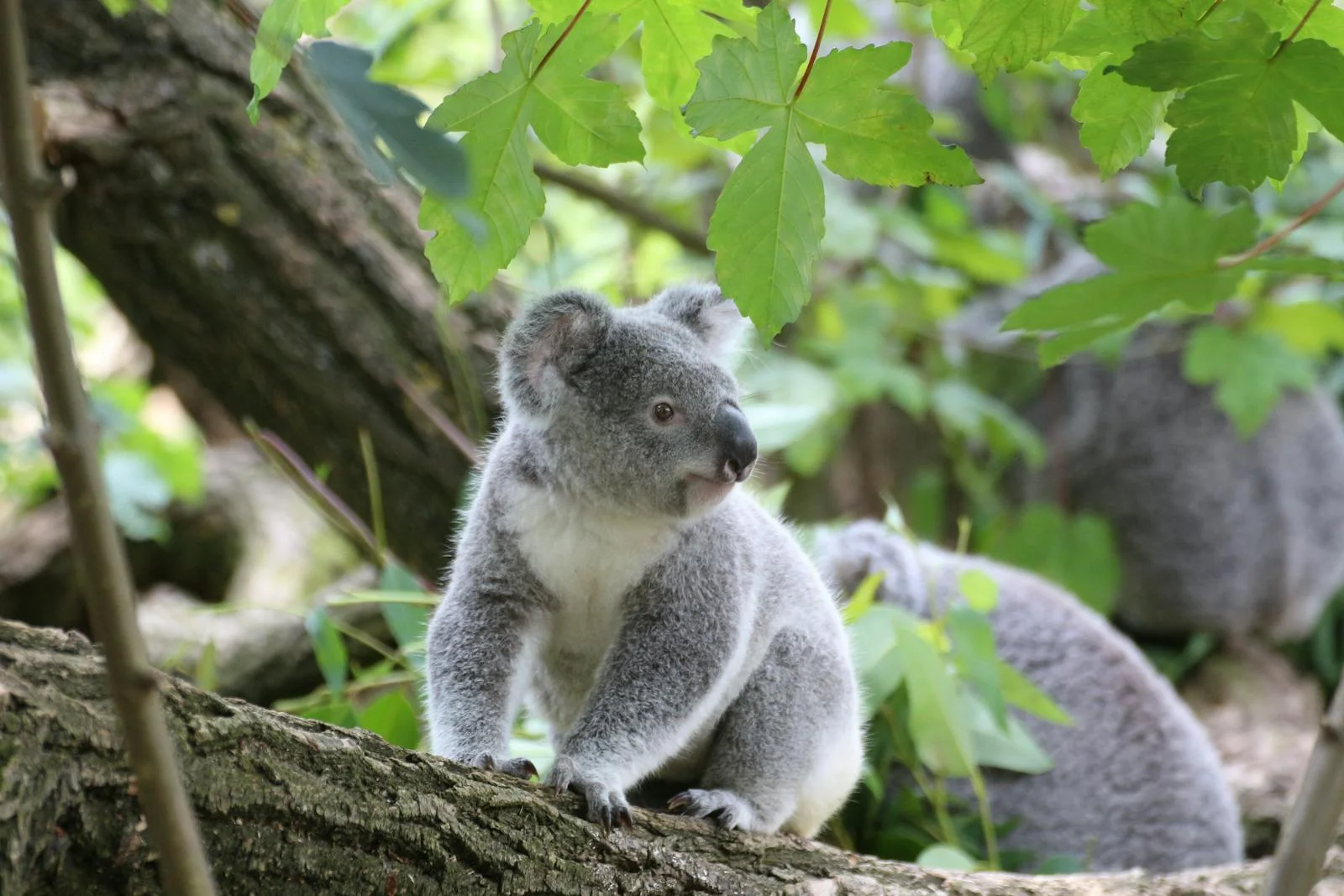
Numerous species, from microscopic organisms to massive marine mammals, have evolved truly extraordinary adaptations to endure such a hostile environment. Unlike any other continent, Antarctica’s high elevation and vast ice sheet contribute significantly to its extreme cold, making its interior largely devoid of complex terrestrial life. These hardy inhabitants showcase nature’s incredible ingenuity in finding ways to survive.
Through biological antifreeze proteins, thick blubber, and specialized metabolic rates, these creatures embody resilience. Their existence offers a powerful lesson in adaptation, demonstrating how life pushes boundaries even in the planet’s most unforgiving corners. These species truly highlight the unique world of Antarctica Animals and Plants.
2. Antarctica’s Hardy Flora: Small but Mighty Green Patches!
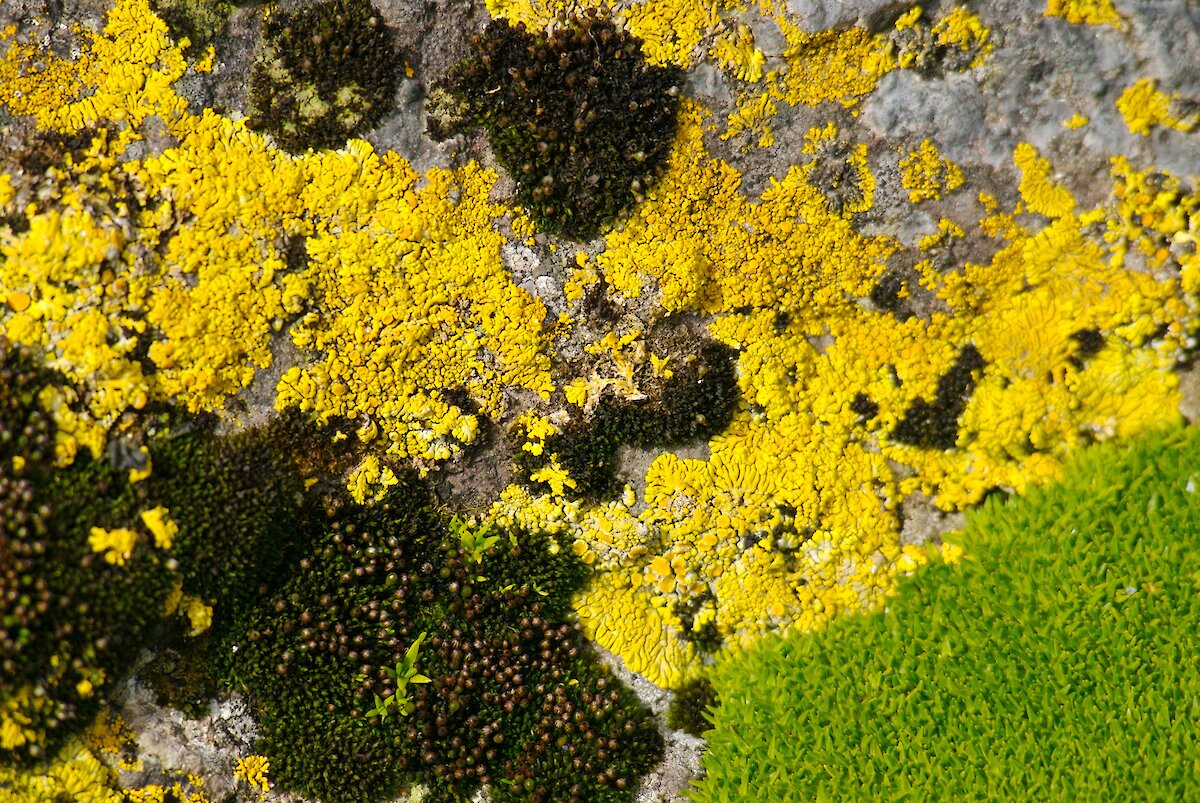
When you envision plant life, your mind likely conjures images of lush forests or vibrant meadows. However, in Antarctica, the botanical landscape is far more understated, yet profoundly remarkable. The continent’s flora is predominantly composed of simple, robust forms such as mosses, lichens, and liverworts. These low-lying organisms cling to the few ice-free rocky outcrops and microclimates, patiently waiting for the brief summer thaw to grow.
Crucially, only two species of flowering plants are native to the Antarctic continent: the Antarctic hair grass (Deschampsia antarctica) and Antarctic pearlwort (Colobanthus quitensis). These tiny, herbaceous plants are typically found in the relatively ‘warmer’ coastal areas during the austral summer. Their presence is a testament to extreme botanical adaptation, illustrating the incredible diversity even within the realm of Antarctica Animals and Plants.
These plants have developed rapid growth cycles, completing their entire life span during the short summer period, and possess mechanisms to tolerate freezing temperatures and intense UV radiation. Their survival against such odds underscores a powerful message: size isn’t everything; resilience and specialized adaptation are key to thriving in the world of Antarctica Animals and Plants.
3. The Icy Icons: Penguins and Seals – Masters of Marine Life!
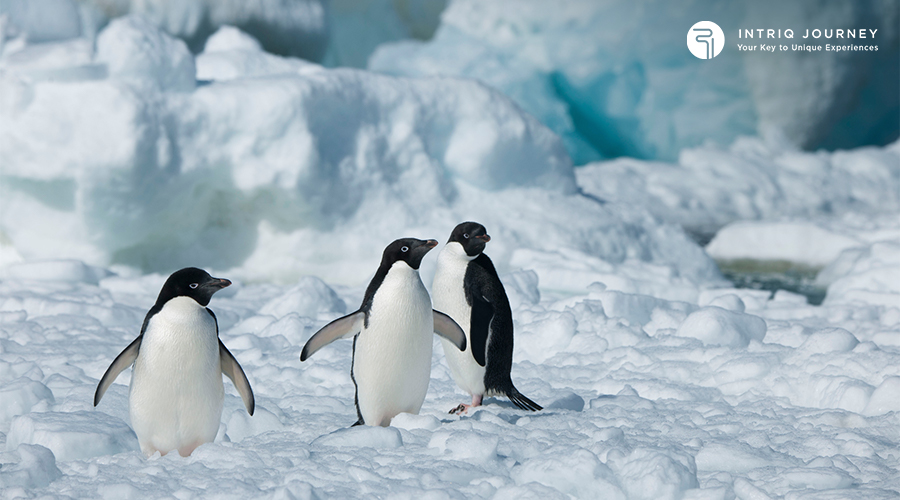
No discussion of Antarctica Animals and Plants would be complete without highlighting its most iconic inhabitants: penguins and seals. These charismatic creatures are truly masters of the marine environment, dominating the continent’s coastal zones and surrounding Southern Ocean. Species like the majestic Emperor penguin, the agile Adélie penguin, and various seal species such as the Weddell, Crabeater, and Leopard seals, epitomize successful adaptation to extreme cold.
Their physiological and behavioral adaptations are nothing short of incredible. Think of their thick blubber layers providing insulation, dense waterproof feathers or fur that trap air for warmth, and specialized circulatory systems that minimize heat loss to their extremities. Furthermore, their streamlined bodies are perfectly evolved for efficient swimming and hunting in frigid waters, showcasing the remarkable design of Antarctica Animals and Plants.
These creatures spend the majority of their lives in the ocean, a paradox given Antarctica’s terrestrial nature. They represent the pinnacle of evolutionary success in polar conditions, demonstrating the intricate balance between specialized adaptations and a highly challenging environment. Observing them provides a compelling glimpse into the relentless power of natural selection within the realm of Antarctica Animals and Plants.
4. Krill: The Tiny Powerhouse Fueling Antarctica’s Ecosystem!
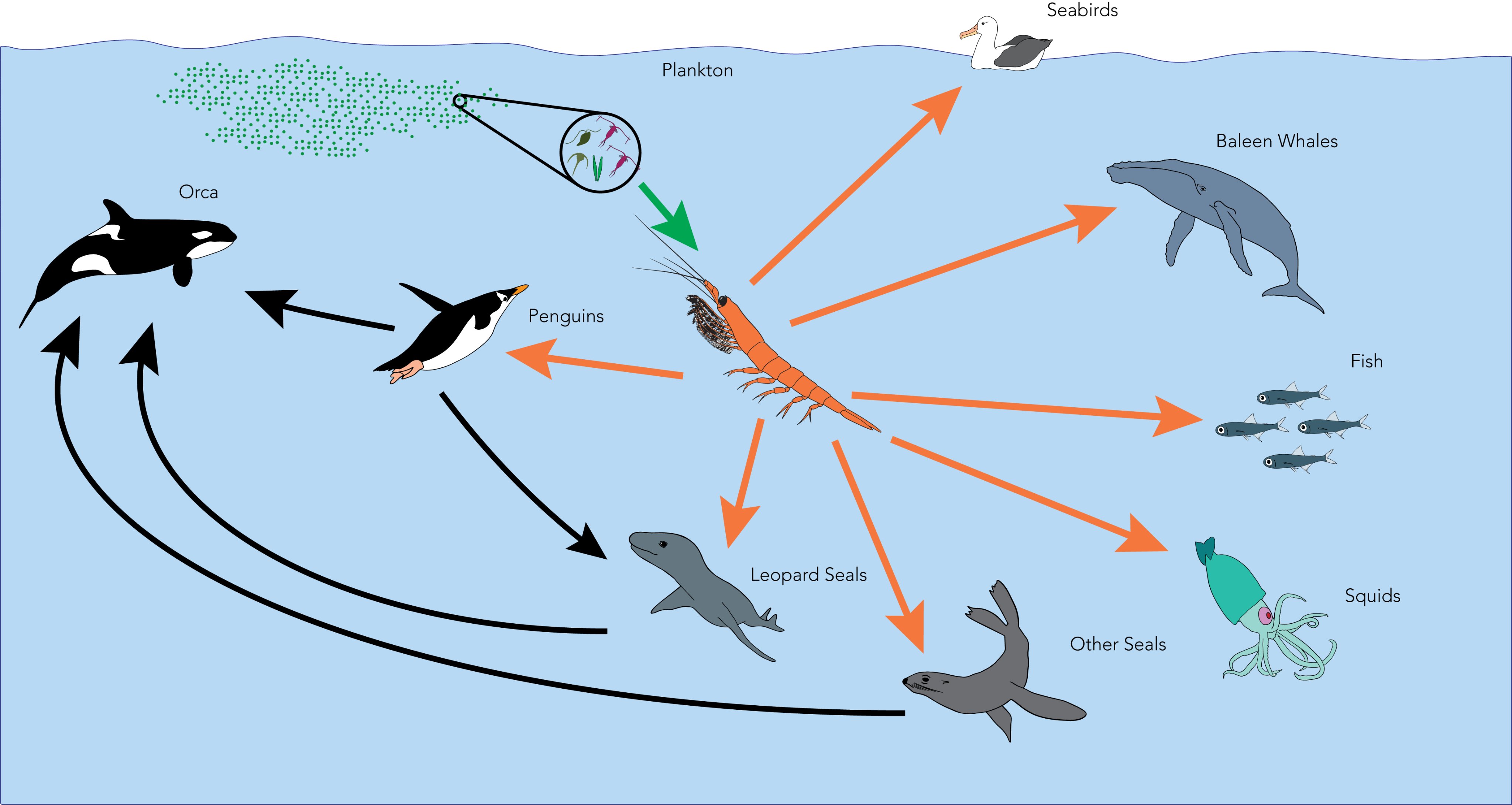
When asked to identify the most significant animal in Antarctica, many might instinctively point to a majestic whale or a formidable seal. However, Fact Fans, the true linchpin of the entire Antarctic food web is a humble, shrimp-like crustacean known as krill. Despite their small stature, Antarctic krill (Euphausia superba) swarm in unimaginable numbers, forming vast biomasses that are absolutely fundamental to the ecosystem of Antarctica Animals and Plants.
These tiny organisms are the primary food source for almost every larger animal in the Southern Ocean, including baleen whales, seals, penguins, and countless seabirds. Their astonishing abundance is critical; a significant decline in krill populations would trigger catastrophic ripple effects, potentially leading to the collapse of the entire Antarctic ecosystem. It’s a vivid demonstration of how interconnected and fragile these natural systems are, and how integral krill are to the survival of Antarctica Animals and Plants.
This fact powerfully illustrates that even the smallest organisms can play the most pivotal roles in maintaining ecological balance. Their immense collective energy sustains the giants of the deep, emphasizing a fundamental principle of biology. Speaking of essential connections, if you’re looking to strengthen your brand’s digital presence with professional WordPress website development, SEO optimization, and engaging content, Depotopic is here to help! Contact us via email or explore our guest post services to amplify your message, just like krill amplifies the Antarctic food chain!
5. Antarctica vs. Arctic: Why the South Pole is the Coldest!
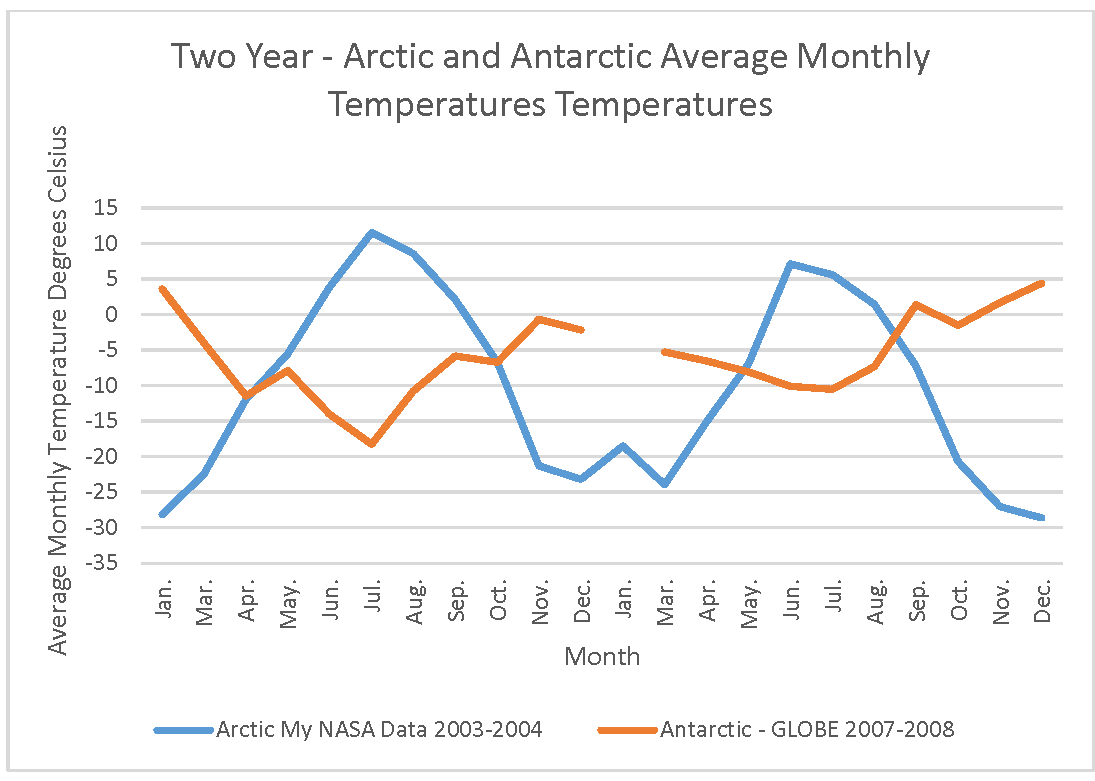
Fact Fans, while both the Arctic and Antarctic are polar regions characterized by ice and extreme cold, there’s a crucial distinction in their temperatures. Antarctica is significantly colder than the Arctic, a fundamental difference that profoundly shapes their respective ecosystems and the types of Antarctica Animals and Plants that can survive.
The primary reason for Antarctica’s more extreme frigidity lies in its unique geography. Antarctica is a continent, a massive landmass largely covered by a thick, high ice sheet. This landmass stores cold far more effectively than the Arctic’s frozen ocean. The sheer elevation of much of the continent, combined with its vast, reflective ice surface, bounces most of the sun’s energy back into space, preventing heat absorption.
Conversely, the Arctic is primarily a frozen ocean surrounded by land, allowing for more heat exchange with the water, resulting in relatively ‘milder’ temperatures. This isn’t merely an academic difference; it’s a critical environmental factor determining the biodiversity and adaptations of Antarctica Animals and Plants, making the continent a unique laboratory for studying life at its limits.
6. A Dire Warning: Climate Change and Antarctica’s Biodiversity Crisis!
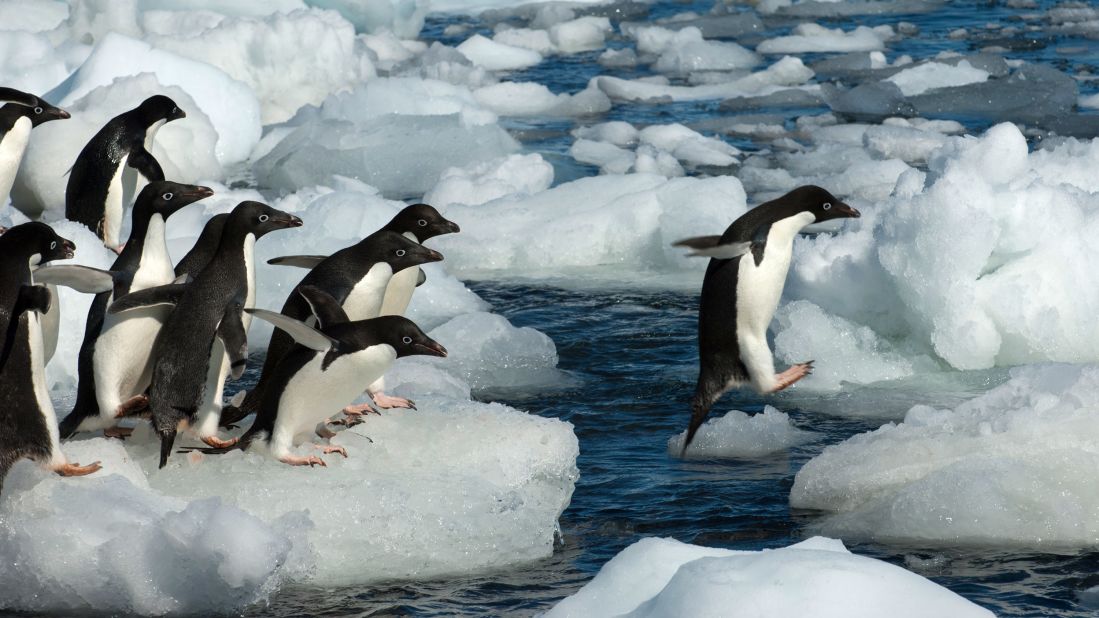
Beneath the seemingly immutable ice of Antarctica lies a rapidly accelerating crisis: the profound and escalating impact of climate change on its delicate biodiversity. Fact Fans, alarming research indicates that if global warming continues unchecked, populations of Antarctica Animals and Plants could face drastic declines by 2100. Some studies even project that up to 65% of native species could face extinction sooner than anticipated.
This existential threat isn’t limited to charismatic megafauna like penguins and seals; it extends to the entire fragile ecosystem, from krill to the sparse terrestrial flora. Melting ice sheets reduce crucial habitats, ocean acidification impacts marine food webs, and the introduction of invasive species further destabilizes these pristine environments. The delicate balance essential for Antarctica Animals and Plants is under severe pressure.
This situation serves as a stark warning: what transpires at the Earth’s poles has far-reaching consequences for the entire global climate system. Protecting Antarctica is therefore not just about preserving its unique wildlife; it’s a critical step in safeguarding the future environmental health of our entire planet. Our actions now determine the fate of these remarkable species and the stability of global climate patterns.
7. Antarctica: The Continent Without Soil? A Geologic Anomaly!
Here’s a fact that might genuinely surprise you, Fact Fans: Antarctica is largely devoid of rich, organic soil as we understand it in temperate and tropical regions. Unlike other continents where the decomposition of organic matter creates fertile topsoil, Antarctica’s extreme cold severely inhibits this vital process. This is a crucial factor shaping the limited terrestrial environment for Antarctica Animals and Plants.
Microbes, which are essential for breaking down dead plants and animals into nutrient-rich humus, are rendered largely inactive by the persistently freezing temperatures. As a result, organic material accumulates slowly, if at all, preventing the formation of deep, fertile soil layers. This near-absence of natural soil is a major limiting factor for terrestrial plant life, explaining why only the hardiest mosses and lichens can gain a foothold on the sparse exposed rock.
Despite this unique geological anomaly, marine life around Antarctica flourishes, largely sustained by the abundant krill in the Southern Ocean. It’s a profound example of how life adapts to even the most extreme environmental constraints, proving that even in a ‘soil-less’ world, complex ecosystems for Antarctica Animals and Plants can thrive, albeit in their own distinct ways.
Preserving the Wonders of Antarctica Animals and Plants
So, Fact Fans, what an extraordinary place Antarctica is! This frozen continent, with its incredible Antarctica Animals and Plants, offers invaluable lessons on adaptation, resilience, and the critical importance of ecological balance. From the unwavering spirit of penguins navigating icy seas to the foundational role of tiny krill sustaining entire marine ecosystems, every aspect of its biodiversity is a testament to life’s tenacity.
While we may not reside in Antarctica, the events unfolding there have profound global implications, particularly concerning climate change, which affects us all. Therefore, let’s commit to being advocates for this precious environment, supporting conservation efforts and adopting sustainable practices in our daily lives. Continue your journey of discovery with us, and always remember to stay curious and engaged with the natural world.
For Fact Fans looking to make their own mark in the digital landscape, just as Antarctica Animals and Plants leave their mark on the planet, Depotopic is your partner. We specialize in providing professional WordPress website development, expert SEO optimization, and engaging content creation services designed to make your brand resilient and prominent. Additionally, if you’re interested in boosting your online presence through guest post placements, we’re ready to assist! Don’t get left behind in the digital ice age – Contact us via email today!


