7 Unique New Zealand Family Traditions: More Than Just Haka, Timeless Bonds That Last
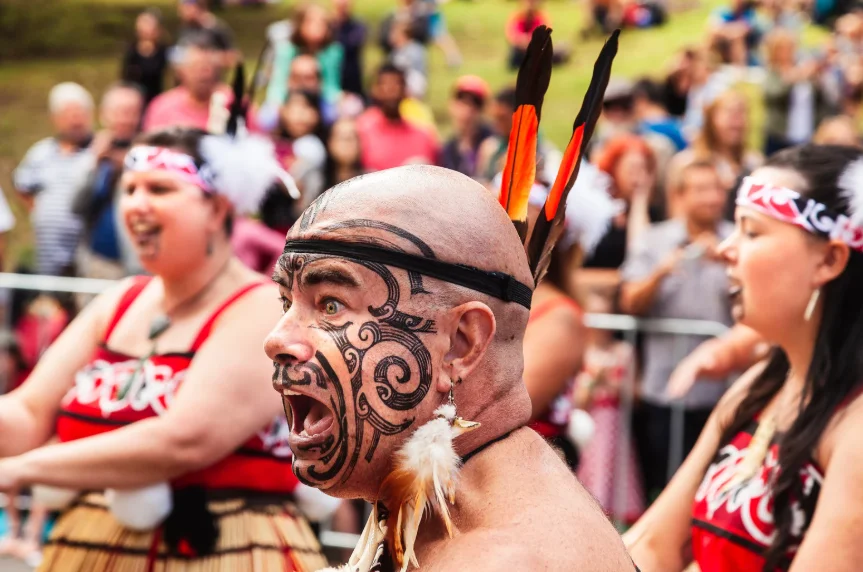
New Zealand, a nation celebrated for its stunning natural landscapes and rich Māori culture, offers far more than just breathtaking scenery. Beneath its captivating mountains, beaches, and forests lies a strong and unique tapestry of family traditions, forming the backbone of its identity and community. These traditions are not mere rituals; they are tangible manifestations of profound values such as honour, togetherness, and a deep connection to ancestral heritage. They shape ways of life and strengthen the bonds among family members.
From the passionate performance of Haka to heartwarming communal food-sharing rituals, New Zealand’s family traditions offer a window into the nation’s soul. Often inspired by ancient Māori customs, these practices are actively passed down from generation to generation, ensuring the continuity of culture and history. Let’s delve deeper into seven of the most unique family traditions deeply rooted in New Zealand, opening our eyes to the cultural richness that shapes the modern Kiwi nation.
Family Haka: A Spirit That Moves Hearts
Haka is widely known as a powerful Māori war dance, but within a family context, it holds a much more personal and profound meaning. The Family Haka, or Whānau Haka, is a display of pride, respect, and identity performed for various significant moments. This could be welcoming honoured guests, celebrating birthdays, weddings, graduations, or even as a touching farewell at funerals. Haka serves as a way for families to collectively express strong emotions—joy, sorrow, or challenge—affirming their presence and support. Every movement, roar, and facial expression tells a story, connecting the past to the present. This performance is not just for an audience, but to strengthen the spirit of the whānau (extended family) itself.
- External Source: Te Ara – The Encyclopedia of New Zealand: Haka
Communal Kai and Hāngi: Bonds Through Food
Food has always been at the heart of family gatherings, and in New Zealand, the tradition of communal kai (food) reaches a unique level, especially through the Hāngi. A Hāngi is a traditional Māori cooking method where food, such as meat and vegetables, is slow-cooked in an earth oven heated by stones. The process of preparing a Hāngi is a major family event in itself, involving many hands in digging the pit, heating the stones, wrapping the food, and finally unearthing the aromatic feast. More than just a delicious meal, Hāngi symbolizes generosity, togetherness, and connection. Sitting down to share food cooked in this ancient way becomes a moment for storytelling, laughter, and strengthening family ties, often at special occasions or large gatherings.
- External Source: Te Ara – The Encyclopedia of New Zealand: Māori Foods
Whānau Reunions (Hui Whānau): Strengthening Family Networks
Whānau is a deeply significant concept in Māori culture, referring to the extended family that goes beyond immediate blood ties. To maintain and strengthen these relationships, the tradition of Hui Whānau, or large family reunions, is very common and important. These gatherings are often held at a marae (Māori communal meeting ground) or at large family homes, sometimes annually or at specific intervals. Hui Whānau serve as a platform for sharing stories, updating family genealogies (whakapapa), discussing family matters, celebrating successes, and supporting one another. These are crucial moments for younger generations to learn about their roots, family history, and their responsibilities as part of the wider Whānau. This tradition instills a strong sense of belonging and identity.
- External Source: Te Ara – The Encyclopedia of New Zealand: Whānau – family
Family Karakia: Prayers from Heart to Heart
Karakia are traditional Māori prayers, blessings, or incantations recited for specific purposes. In a family setting, Family Karakia are often performed before meals, important journeys, significant meetings, or when embarking on new projects. They are a way to acknowledge the presence of ancestors, seek divine guidance, or simply express gratitude and good wishes. Family karakia are not always formal; they can be a short blessing offered by a family elder or individual. This practice instills a sense of spirituality and a deep connection to the spiritual world, as well as reinforcing shared values within the family. It’s a daily reminder of spiritual heritage and the importance of reflection in life.
Waiata Whānau: Melodies of Ancestral Heritage
Singing, or Waiata, is a vital form of cultural expression in Māori society, and Waiata Whānau refers to songs specifically passed down or created within a family. These songs can be beautiful lullabies (oriori), celebratory songs for birthdays or weddings, or historical songs recounting ancestral stories and significant family events. Singing together is a powerful way to keep oral traditions alive, teach history and values to younger generations, and strengthen emotional bonds. A family might have their own “family song” sung at every gathering, creating a unique sense of unity and identity. The melodies and lyrics carry the weight of history and inherited love.
Kaitiakitanga: Guarding Environmental Heritage
The concept of Kaitiakitanga is central to the Māori worldview, meaning guardianship, stewardship, and protection. In a family context, this means that each whānau has an inherited responsibility to be guardians of their natural environment, especially their ancestral land (whenua), rivers, and other natural resources. Families teach their children the importance of caring for nature, practicing sustainability, and understanding that they are part of a larger cycle of life. This is not just about conservation, but about a deep spiritual connection to the earth, which is seen as an ancestor and provider of life. This tradition instills a profound respect for nature and a responsibility to protect it for future generations.
- External Source: Te Ara – The Encyclopedia of New Zealand: Kaitiakitanga – guardianship and conservation
Passing Down Traditional Arts: From Generation to Generation
Māori arts, such as whakairo (wood carving), raranga (weaving), and tā moko (traditional tattooing), are not merely forms of artistic expression; they are also means of recording history, genealogy, and identity. Many families have a tradition of passing these artistic skills down through generations. Children and grandchildren are taught by their parents or grandparents, ensuring that the techniques and meanings behind each piece remain alive. For example, specific weaving patterns might be characteristic of a family, or a particular carving style passed down. This process of learning and creating together not only produces beautiful works of art but also strengthens family bonds and their cultural identity. It is a tangible and living heritage that continues to thrive in the hands of new generations.
- External Source: Te Ara – The Encyclopedia of New Zealand: Māori arts
New Zealand’s family traditions are cultural treasures that enrich daily life and significant events. They serve as timeless reminders of the importance of connection, history, and shared values that unite people. Through passionate Haka, warm Hāngi, vibrant reunions, heartfelt prayers, melodic songs, environmental guardianship, and skilled artistry, these families continue to weave a dynamic and meaningful cultural tapestry.
Understanding and appreciating these traditions is not just about learning about New Zealand, but also about recognizing the universality of family bonds and the human desire to connect with the past and shape the future. They demonstrate how culture lives and thrives, passed down from heart to heart, from one generation to the next, creating a unique and unforgettable identity.