7 Most Unique Indian Family Traditions: First Child Holds Golden Spoon at First Meal (Annaprashan)
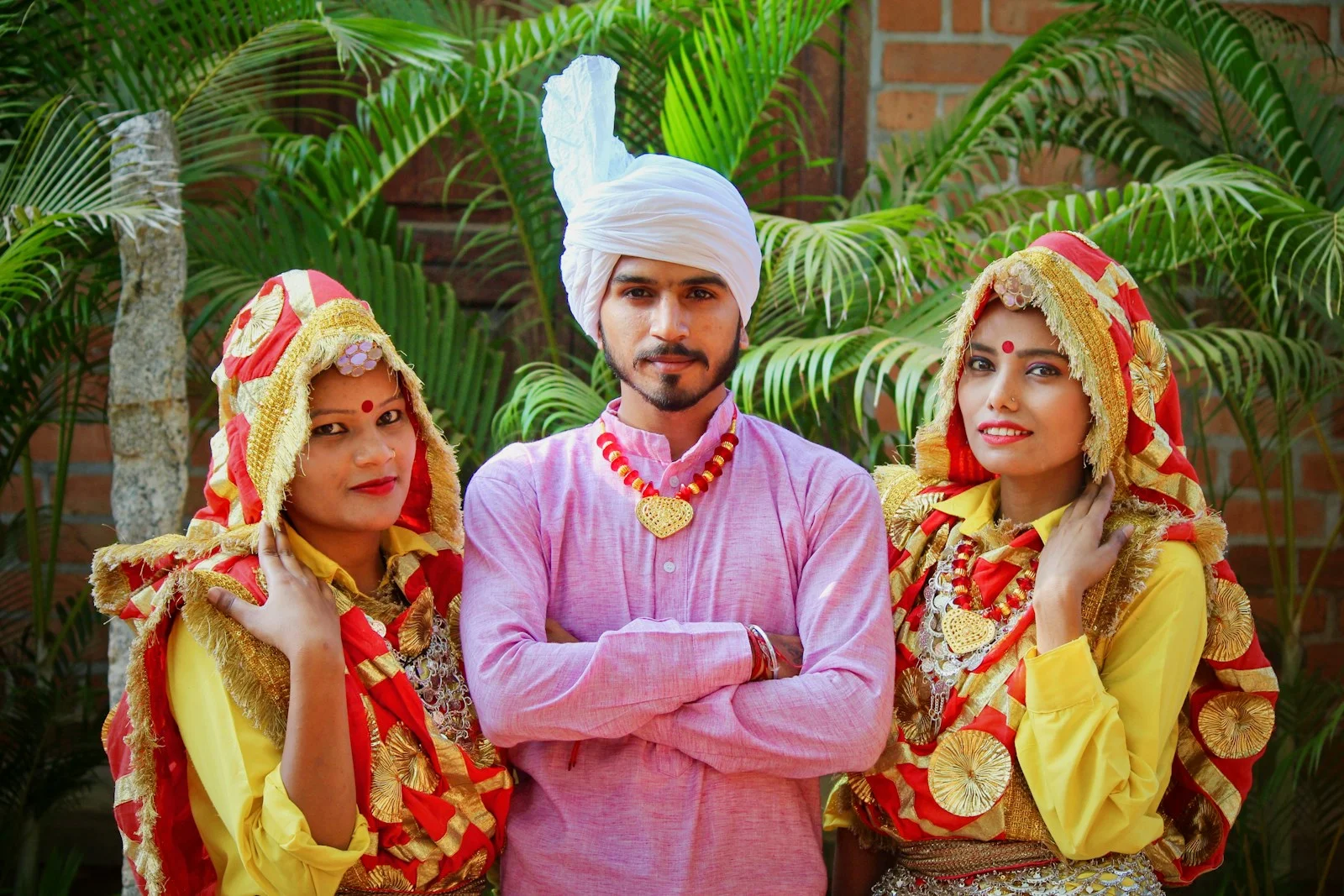
Welcome, Fact Fans! Today, we’re embarking on a fascinating cultural journey to the heart of India, a land rich in heritage, spirituality, and timeless family traditions. India is not just about aromatic spices and vibrant festivals; it’s a tapestry woven with profound customs, many of which revolve around family life. These traditions are not merely passed down through generations; they shape identity, strengthen bonds, and impart meaning to every stage of life.
From ceremonies marking a baby’s first steps into the world of solid food, to rituals that cement sibling relationships, each custom holds a unique story and belief. One of the most intriguing is the tradition where the First Child Holds Golden Spoon at First Meal (Annaprashan). Yet, that’s just the tip of the iceberg. Get ready to be captivated as we unveil seven of India’s most unique, interesting, and perhaps unheard-of family traditions. Let’s dive into the cultural marvels of India!
Unveiling 7 Meaningful Indian Family Traditions
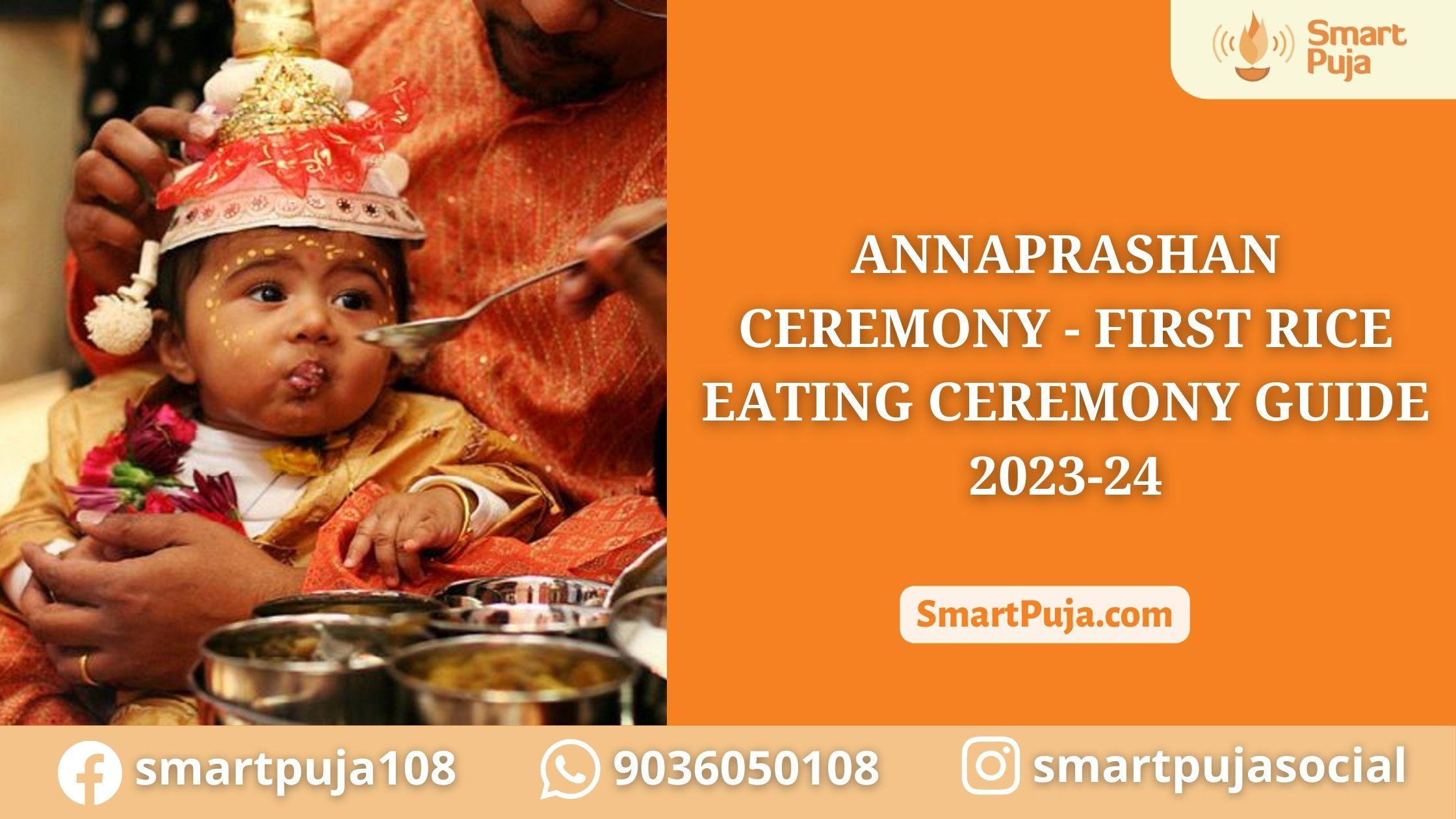
1. Annaprashan: A Golden Spoon for the First Meal
Fact Fans, can you imagine a baby’s very first taste of solid food being served with a spoon made of gold? In India, this is the essence of the Annaprashan tradition, a significant ceremony marking a baby’s first introduction to solid food. Typically performed when the baby is between six and twelve months old, this milestone is more than just a developmental stage; it’s a sacred ritual believed to bring good fortune, health, and prosperity to the child. The golden spoon used is not merely a symbol of luxury but also a wish that the child’s life will always be filled with abundance. The ceremony often includes prayers, offerings, and even a ritual where various objects (a book, a pen, jewelry) are placed before the baby to see what they pick, which is believed to hint at their future talents or profession. It’s a celebration of life brimming with hope and blessings. (Source: Cultural India)

2. Namkaran Sanskar: Baby Names from the Stars
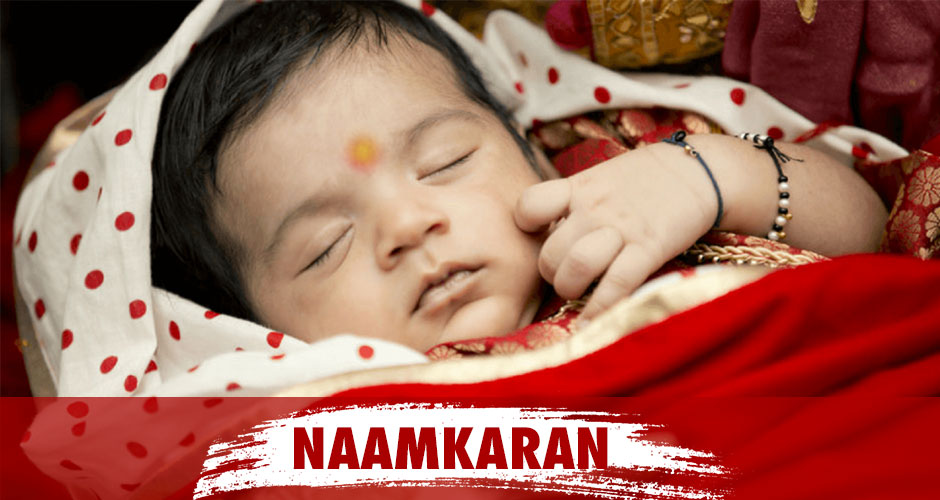
Choosing a name for a baby is a big decision, but in India, the Namkaran Sanskar tradition turns it into an astrological event. This naming ceremony is typically held on the 10th or 12th day after birth and involves a priest or astrologer. They meticulously analyze the baby’s birth chart, including the positions of planets and stars at the time of birth, to determine the most auspicious initial letter for the child’s name. The belief is that a name aligned with astral destiny will bring good luck, success, and a harmonious life. The extended family gathers, special prayers are chanted, and often the name is whispered into the baby’s ear. It is a profound way to connect a child’s identity with the cosmos and instill a sense of spirituality from an early age.
3. Mundan Sanskar: Head Shaving for Blessings
Completely shaving a baby’s head might sound unusual to some cultures, but in India, Mundan Sanskar is a sacred tradition steeped in meaning. This first hair-shaving ceremony is commonly performed on babies at an odd age, such as the 7th or 9th month, or at 1, 3, or 5 years old. The belief behind this ritual is profound: the hair a baby is born with is thought to carry negative traits and karma from past lives. By shaving this hair, the baby is believed to be freed from ill omens, purified, and ready to begin a new life with purity, health, and blessings. The ceremony is often performed at temples or sacred sites, followed by offerings and small celebrations to mark this fresh start.

4. Haldi Ceremony: Golden Turmeric for the Couple
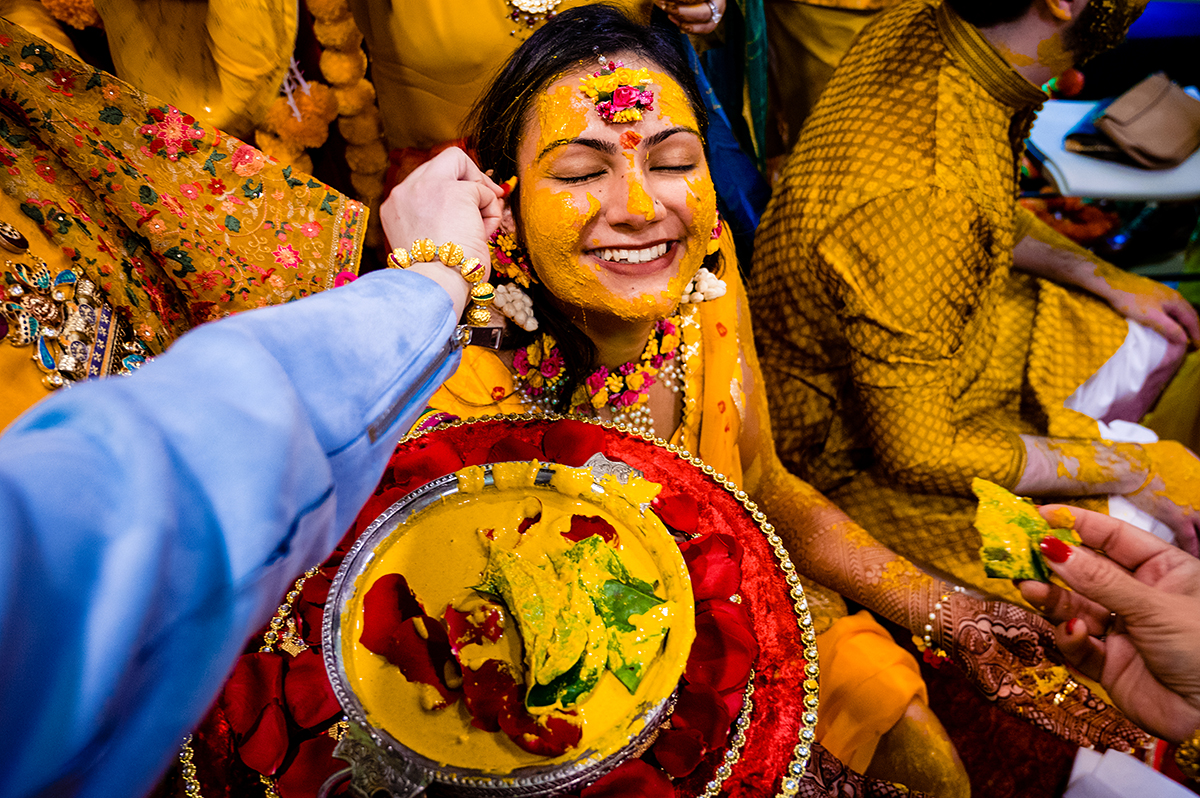
Indian weddings are magnificent celebrations, and one of the most vibrant rituals is the Haldi Ceremony. A few days before the wedding day, the bride and groom separately undergo a ceremony where family and friends apply a turmeric paste (Haldi) mixed with oil, sandalwood, and rose water all over their bodies. Beyond the cosmetic benefits, which are believed to make the couple’s skin glow and look beautiful on their wedding day, turmeric also holds powerful symbolic meaning. Turmeric is considered a purifying agent, cleansing the body and soul of negative energy, bringing good luck, prosperity, and protection from evil spirits. The Haldi party is filled with laughter, songs, dances, and merriment, creating an unforgettable festive atmosphere before the big day.
5. Raksha Bandhan: The Sacred Bond of Siblings
Amidst India’s many celebrations, there is a festival specifically dedicated to honoring the unbreakable bond of affection between siblings, particularly brothers and sisters: Raksha Bandhan. On this special day, the sister ties a sacred thread called a Rakhi on her brother’s wrist. This Rakhi is more than just a decorative thread; it’s a symbol of prayers and wishes for her brother’s protection, health, and longevity. In return, the brother pledges to always protect his sister in all situations and often gives a gift as a token of his love. This tradition is incredibly heartwarming and serves as a powerful reminder of the preciousness of family ties in India, strengthening sibling bonds that transcend time and distance. (Source: Britannica)

6. Griha Pravesh: A Sacred Housewarming Party
For many cultures, moving into a new home is an exciting moment, but in India, it’s a grand ceremony known as Griha Pravesh. This is a thanksgiving and purification ritual performed before the family officially moves in and starts living in the new house. The primary goal is to ward off evil spirits or negative energies, purify the home’s atmosphere, and invite deities to bless the new dwelling. The hope is that the new home will be filled with peace, prosperity, and happiness for its occupants. Various rituals are performed, including Puja, lighting a sacred fire (Hawan), and offering food. Often, the head of the family will enter first carrying a pot filled with rice, symbolizing the abundance that will be brought into the new home. It’s a new beginning filled with hope and blessings.

7. Charan Sparsh: Respectful Feet Touch, Blessed Hearts
Finally, we have Charan Sparsh, a profoundly meaningful gesture of respect in India. This involves the act of touching the feet of elders or respected persons, such as parents, teachers, or revered seniors. This act symbolizes humility, deep respect, and recognition of their wisdom and life experience. It is widely believed that positive energy and blessings from the elder will flow to the person touching their feet. In return, the person whose feet are touched will respond by offering a blessing or touching their head. It is a beautiful tradition that instills noble values of reverence for elders and teaches the importance of seeking blessings from those who are wiser.

There you have it, Fact Fans – seven Indian family traditions that are not only unique but also deeply imbued with meaning. Each ritual is a reflection of profound beliefs and a way of life that has endured for centuries. From celebrating birth to cementing relationships, these traditions showcase the rich tapestry of Indian culture and how family values form a strong foundation.
Understanding these traditions is not just about knowing customs but also about appreciating cultural diversity and learning about different life perspectives. We hope this article has given you new insights and left you even more amazed by the beauty of our world. See you in the next fascinating read! Visit our homepage for more insights.
– Explore 7 unique Indian family traditions, including Annaprashan (baby’s first golden spoon meal).
—
(Annaprashan).