Unveiling 7 Unique Egyptian Family Traditions: Warmth of Ramadan and Enduring Bonds
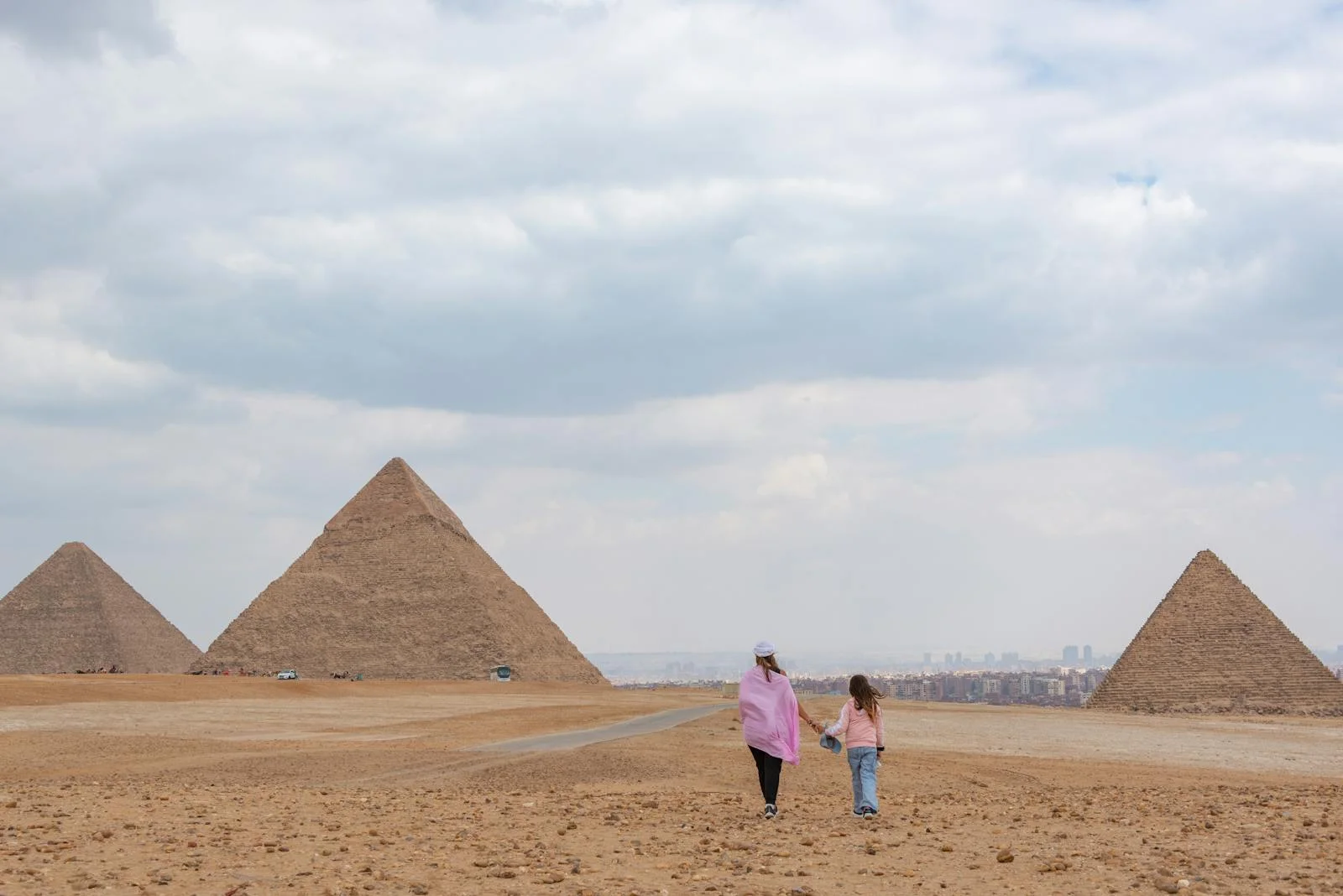
Hello, Fact Fans! Welcome to our journey into the heart of an ancient civilization, Egypt! This land of pyramids and the Nile River is not only rich in magnificent history but also brimming with timeless family traditions. Every corner of Egypt holds stories of strong intergenerational ties, particularly those deeply woven into important celebrations.
From the bustling traditional markets to the tranquility of home life, unique Egyptian family traditions form a solid cultural foundation. Today, we will delve into seven special customs that highlight the profound importance of family in Egyptian society. Get ready to be inspired by values of togetherness and love passed down through generations, especially those keenly felt during the holy month of Ramadan.
1. Grand Iftar Gatherings: Embracing All Relatives
Nothing quite compares to the festive Iftar in Egypt, especially when the entire extended family gathers. This is not just an ordinary dinner after a day of fasting, but an “Azoumet Ramadan” – a grand invitation for all relatives, from the closest to those rarely seen. The dining table overflows with delicious dishes like molokhia, koshary, and konafa, creating a lively atmosphere filled with laughter and stories. Each family member plays a role, whether in preparing food or ensuring everyone feels comfortable. This is the pinnacle of the most beloved unique Egyptian family traditions, a celebration of love and unbreakable bonds.

This moment is not just about the food; it’s also about renewing family ties. Children play together, adults catch up on news, and elders share their wisdom. This atmosphere strengthens values of togetherness and sharing. (Source: Al Jazeera)
2. The Joy of Fawanees: Ramadan Lanterns as a Family Legacy
As Ramadan begins, Egyptian cities are illuminated by fawanees, colorful lanterns that symbolize the holy month. Making and decorating fawanees is often a delightful family activity. Children proudly carry their lanterns through the streets, singing Ramadan songs. This tradition is not just about decoration but about passing down cultural heritage to the younger generation. Every fawanees hung in a home tells a story of faith and hope, a reflection of the meaningful unique Egyptian family traditions.
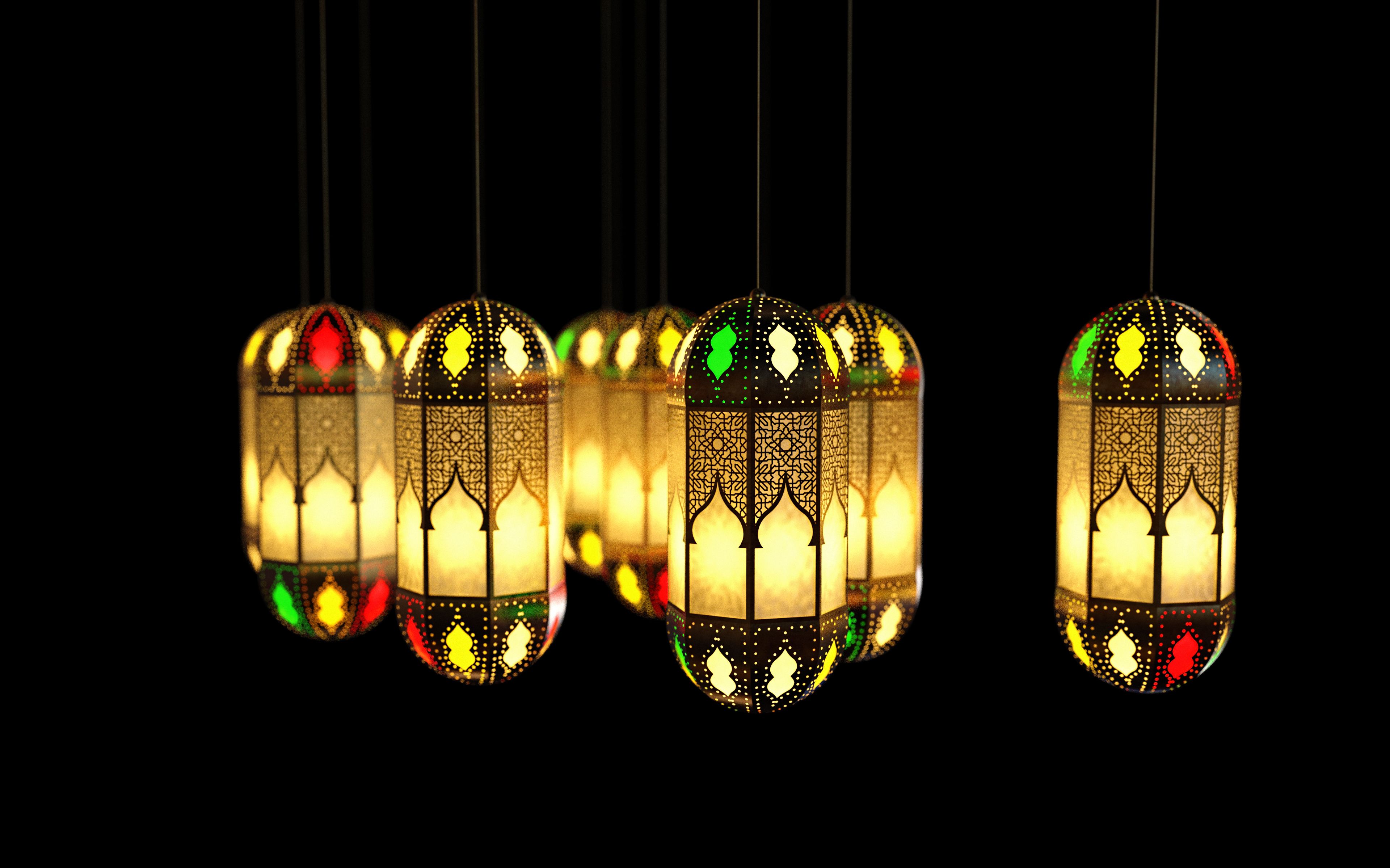
Families often search for the best fawanees in markets, while others traditionally craft their own lanterns. The presence of fawanees at home signifies the start of Ramadan and adds to the festive atmosphere. (Source: Egyptian Streets)
3. Baking Kahk El Eid: The Scent of Love from the Family Kitchen
Leading up to Eid al-Fitr, every Egyptian household buzzes with the ritual of baking Kahk El Eid, traditional cookies that are a hallmark of the celebration. The process of making Kahk is a grand family affair, where women gather to bake and decorate the cookies together. The fragrant aroma of ghee and powdered sugar fills the air, creating cherished memories. This is one of the most delicious unique Egyptian family traditions, a symbol of generosity and togetherness during the holiday.

Kahk recipes are often passed down through generations, with each family adding its own special touch. These cookies are then served to guests and relatives who come to visit. (Source: Arab America)
4. Sebou’: Celebrating the Arrival of a New Family Member
When a baby is born in Egypt, families celebrate with a festive Sebou’ ceremony, typically on the seventh day after birth. This is an ancient celebration rooted in Pharaonic traditions, where the baby is introduced to the world and formally named. Family and friends gather to offer congratulations, recite prayers, and give gifts. Sebou’ is one of the most touching unique Egyptian family traditions, affirming the importance of every new life in the family lineage.

The ceremony involves several symbolic rituals, such as placing the baby in a large tray with rice and sweets, and “shaking” the baby in a sieve. (Source: Tour Egypt)
5. Eid Visits: Strengthening Family Bonds
After the fasting period and the celebrations of Eid al-Fitr or Eid al-Adha, family visits become a central tradition in Egypt. This is a time when everyone dresses in their best attire and goes around visiting relatives, from grandparents, aunts, uncles, to cousins. Children typically receive “Eidiya” or pocket money from adults, adding to the holiday cheer. These visits are not just formalities but opportunities to strengthen family ties, show respect, and reaffirm the importance of blood relations in unique Egyptian family traditions.
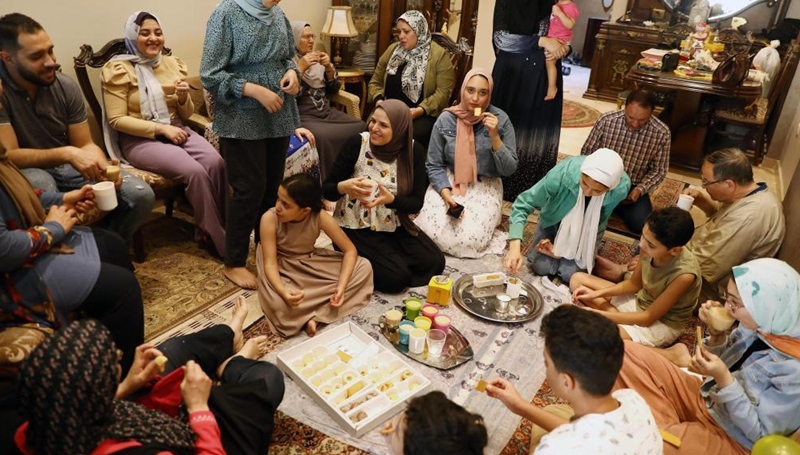
Visits can last for hours, with refreshments and snacks served in every home. This is a highly cherished tradition for maintaining family harmony. (Source: SBS Cultural Atlas)
6. Communal Suhour: Intimate Moments Before Dawn
Beyond the grand Iftar, Suhour – the pre-dawn meal – also holds a special place in unique Egyptian family traditions during Ramadan. While not as large as Iftar, many Egyptian families choose to enjoy Suhour together, either at home or sometimes in restaurants that stay open late. Typical dishes like ful medames (fava beans), cheese, bread, and eggs are served. This moment is more intimate and quiet, providing an opportunity for families to relax and prepare for the day of fasting.

Some families even invite neighbors or close friends to share the Suhour meal, reinforcing a sense of community during this holy month. (Source: Egypt Independent)
7. Egyptian Coffee and Spontaneous Visits: The Heart of Family Social Life
While not exclusively tied to Ramadan, the tradition of drinking Egyptian coffee or tea is central to family social life. Spontaneous visits between family members for just a cup of coffee or tea and a chat are common. Tables are always ready with hot coffee pots, mint tea, and sweet snacks. This is a simple yet profound way to maintain communication, share news, and support each other. This tradition illustrates how family values and hospitality are an integral part of unique Egyptian family traditions throughout the year.

These gatherings often happen without prior planning, reflecting the flexibility and openness in Egyptian family relationships. (Source: Britannica)
From magnificent Iftar feasts to a warm cup of coffee, unique Egyptian family traditions reflect a culture that cherishes togetherness and love. Every custom, no matter how small, becomes a thread that tightly binds each family member, creating a strong and unbroken fabric. These traditions are not just rituals; they are profound expressions of Egypt’s rich cultural identity and heritage.
We hope this journey has opened your eyes, Fact Fans, to the beauty of family bonds in Egypt. These values teach us the importance of nurturing relationships, celebrating moments together, and passing on goodness to future generations. Let’s continue to cherish family warmth wherever we are. See you in our next exciting article!
Visit our homepage for more insights.