The Monkey Coup in Indian Temple 2007: An Unforgettable Tale of Simian Dominance

Fact Fans, have you ever imagined a scenario where animals take over a place, even a sacred temple? In India, a country rich in culture and wildlife, the interaction between humans and animals often leads to fascinating stories. However, in 2007, a startling incident shook an Indian temple, which later became known as the Monkey Coup Indian Temple 2007. This event was not just a comical anecdote; it was a significant occurrence highlighting the complexities of coexisting with wild nature.
This incident, involving a troop of seemingly “rebellious” monkeys, created chaos and forced religious leaders and temple visitors to seek solutions. These monkeys, typically seen around the temple, suddenly displayed unusually aggressive and dominant behavior, as if they were carrying out a small “coup.” Let’s delve deeper into seven fascinating facts surrounding this unique incident and understand what truly transpired behind the primates’ brief “reign.”
Fact 1: The Setting of the Monkey Coup Indian Temple 2007 Incident
The Ancient Temple as a Silent Witness
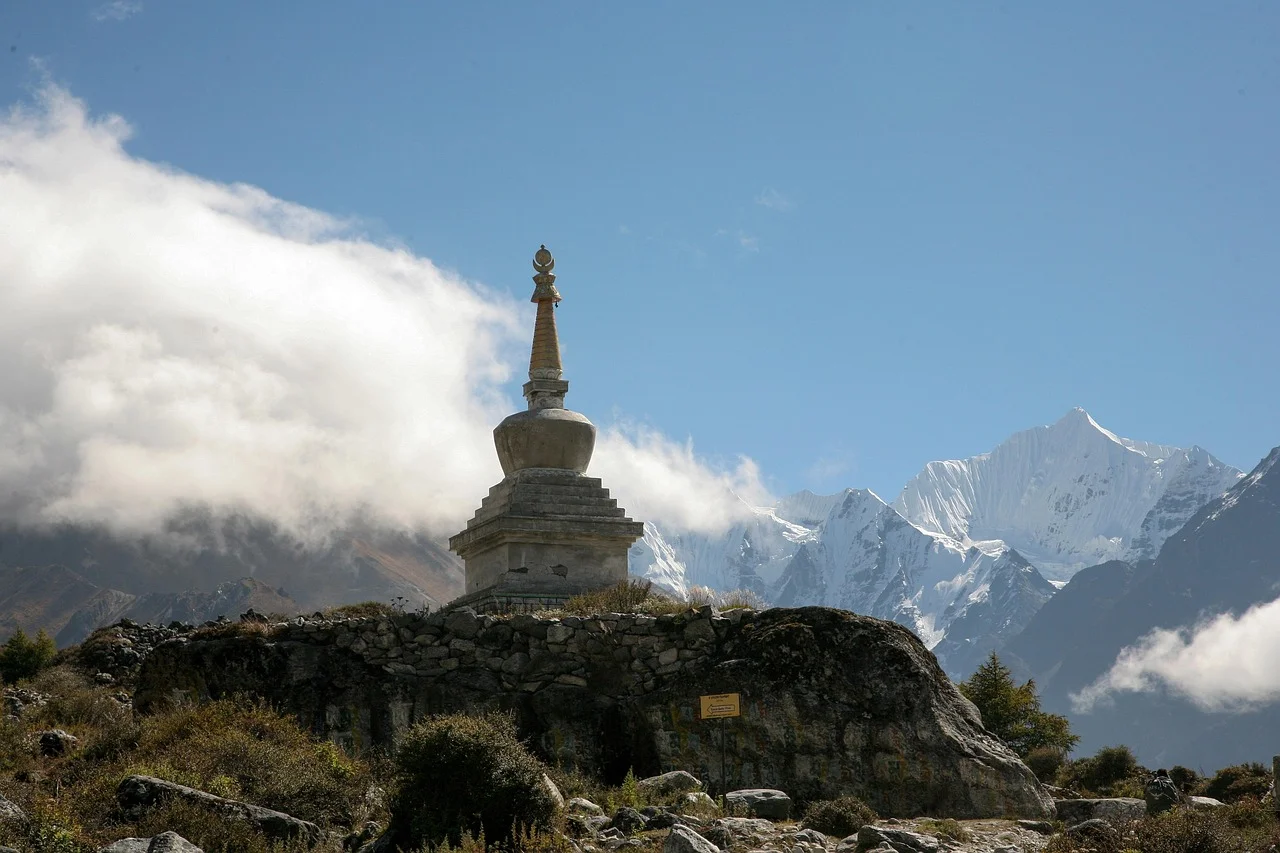
The Monkey Coup Indian Temple 2007 incident reportedly took place in an ancient temple located in northern India, where monkeys have long been an integral part of the local ecosystem and are often revered due to their association with the deity Hanuman. This temple, like many others in India, was home to a significant monkey population, primarily Rhesus macaques. Their presence had always been considered normal, even an attraction for tourists and pilgrims. However, in 2007, that balance seemed to shift, triggering a series of unexpected events.



The interaction between humans and monkeys in Indian temples is often ambiguous, balancing reverence with nuisance. Yet, the 2007 event reached unprecedented levels, with the monkeys’ behavior becoming more organized and aggressive, creating an atmosphere of fear and discomfort for visitors. (Source: Zee News India)
Fact 2: The Monkey Species Involved and Their Aggressive Behavior
Rhesus Macaques: From Friendly to Fierce Overlords
The primary primates behind the Monkey Coup Indian Temple 2007 were Rhesus macaques (Macaca mulatta), a highly adaptable and intelligent species of monkey. They are known for their strong social skills and often form large groups with clear hierarchies. At the temple, they were accustomed to receiving food from pilgrims, which indirectly altered their natural behavioral patterns. During the incident, these monkeys showed a significant increase in aggression, not only snatching food but also intimidating visitors.

Eyewitnesses reported that the monkeys even attempted to snatch personal belongings and blocked access to key areas of the temple, creating an impression that they were “taking over” the territory. This behavior raised serious concerns about visitor safety and the continuation of religious rituals at the temple. The high level of aggression indicated that they had adapted to the human environment in ways that benefited them, sometimes to the detriment of humans.
Fact 3: The Surprising Modus Operandi of the “Coup”
Strategies for Territorial Takeover
The term “coup” might sound dramatic for animal behavior, but in the context of the Monkey Coup Indian Temple 2007, it describes how the monkeys effectively took control of key temple areas. They not only gathered in large numbers but also displayed unexpected coordination in deterring humans. Several groups of monkeys reportedly occupied temple towers, rooftops, and main entrances, making them difficult to access.

Their actions included driving away visitors with loud vocalizations, threatening bites, and even throwing small objects. These were not just individual acts but appeared to be coordinated efforts to assert their dominance over resources and space within the temple. This strategy, though primitive, proved highly effective in creating chaos and fear among visitors and temple staff. (Source: Times of India)
Fact 4: Impact on Religious Activities and Visitors
Rituals Disrupted, Pilgrims Terrified
The most significant impact of the Monkey Coup Indian Temple 2007 was the disruption of religious activities and the sense of insecurity among pilgrims. Many daily rituals had to be halted or performed with extreme caution due to the monkey threat. Visitors, especially children and the elderly, became very fearful of approaching certain temple areas. Some reports mentioned incidents where monkeys snatched offerings and even tore pilgrims’ clothes.

This situation created a dilemma for temple management. On one hand, they wanted to maintain the tradition of respecting animals, but on the other, visitor safety and comfort were paramount. A significant decline in visitor numbers also became a concern, impacting the temple’s revenue and operational sustainability. This chaos demonstrated the delicate balance between human life and wildlife in such sacred areas.
Fact 5: Containment Efforts by Local Authorities
Strategies to Deter Without Harm
In response to the Monkey Coup Indian Temple 2007 incident, temple authorities and local government faced a difficult task: how to deter the monkeys without harming them, given their revered status. Various methods were attempted, from installing safety nets to hiring monkey catchers. These catchers typically use loud noises or mimic predator monkey calls to scare Rhesus macaque groups away from sensitive areas.

However, long-term solutions remained a challenge. Some proposals included sterilization and relocation programs, but their implementation was complicated by resistance from local communities and logistical constraints. (Source: Hindustan Times) These efforts highlighted the need for a balanced approach between animal conservation and human-wildlife conflict management.
Fact 6: Lessons from Previous Incidents
Not the First Time: A History of Monkey-Human Conflict
While the Monkey Coup Indian Temple 2007 incident was dramatic, conflicts between monkeys and humans in India are not new. There have been numerous reports of monkeys causing disturbances in cities, stealing food, and even attacking people. Several previous incidents in various cities and temples have forced authorities to develop more effective monkey population management strategies.

A crucial lesson from these incidents is that feeding monkeys, though often done with good intentions, can alter their natural behavior, making them dependent on humans and eventually more aggressive. Public education on proper interaction with wildlife is key to preventing future “coups” of this nature.
Fact 7: Long-Term Solutions and Coexistence
Seeking Balance for the Future
The Monkey Coup Indian Temple 2007 serves as an important reminder of the challenges of coexistence between humans and wildlife, especially in urban areas and religious sites. Long-term solutions require a multidisciplinary approach, including humane monkey population management, such as sterilization and relocation to suitable natural habitats. Additionally, public education campaigns about not feeding monkeys and maintaining a safe distance are crucial.

Governments and conservation organizations continue to work together to find the best ways for humans and monkeys to live together peacefully. This is not just about driving away monkeys, but about understanding their ecology and managing the environment in such a way that conflicts can be minimized, ensuring that temples remain sacred spaces for pilgrims and safe habitats for wildlife. (Source: Times of India)
The story of the Monkey Coup Indian Temple 2007 might sound unique and a bit humorous, but it carries an important message about how human behavior can influence wildlife behavior. This incident forces us to reflect on our responsibility as inhabitants of the Earth and how we interact with other creatures that share our space. Human-wildlife conflict is a global issue, and the experience at the Indian temple offers valuable insights.
Ultimately, the best solutions always involve understanding, respect, and collaborative efforts to create an environment where all species can thrive without threatening each other. Hopefully, with lessons learned from this event, we can build a future where harmony between humans and nature becomes a reality, not just a dream. Thank you, Fact Fans, for reading this fascinating story.
Visit our homepage for more insights.