7 Rarely Known Minimalist Design Facts That Will Change Your Perception
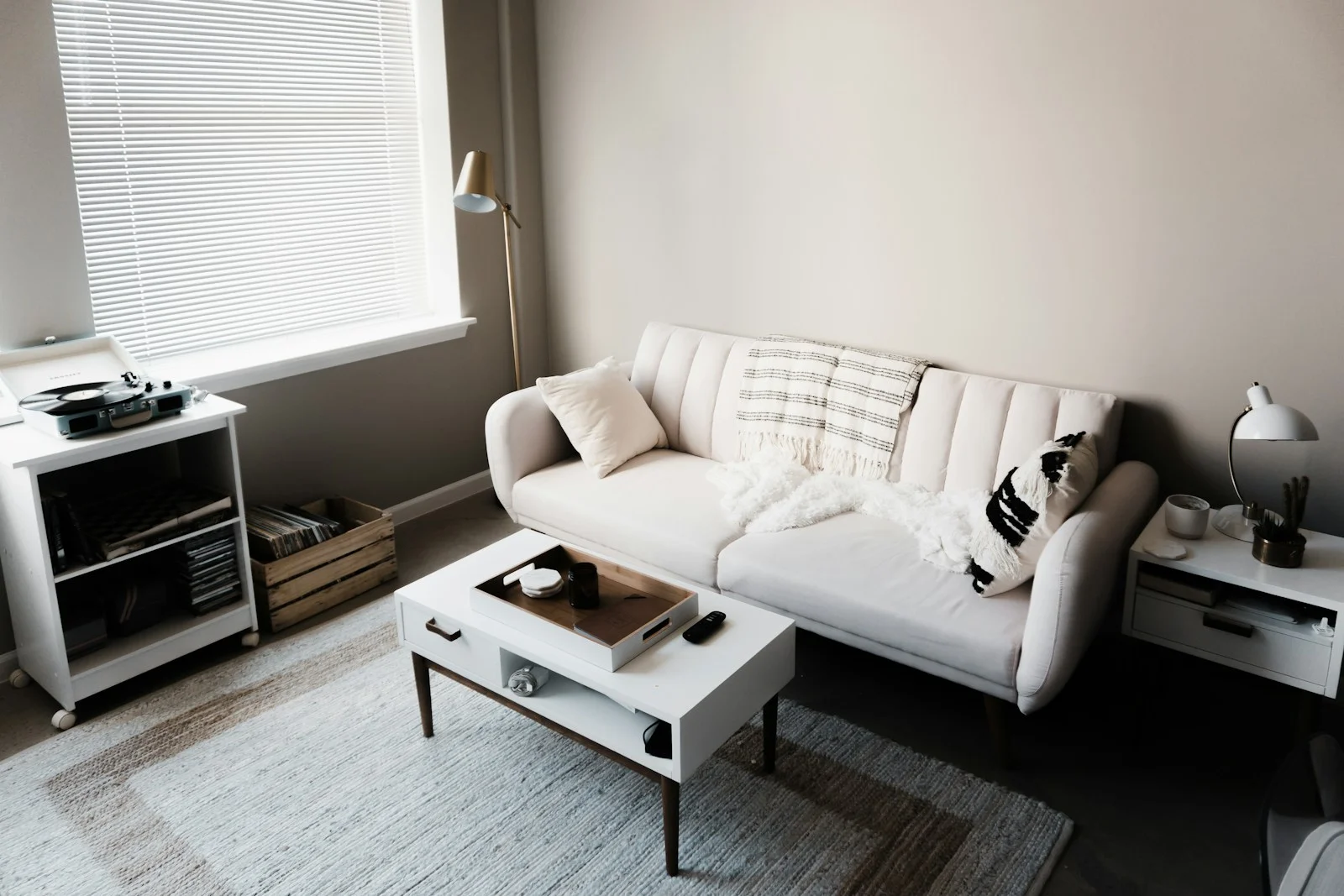
Welcome, Fact Fans! Today, we’re embarking on a deep dive into a design philosophy often misunderstood: minimalist design. Perhaps when you hear “minimalist,” images of sterile white rooms, sparse furnishings, or even a sense of coldness come to mind. If so, prepare to have your preconceived notions thoroughly challenged! There are many profound and interesting minimalist design facts that rarely make it into common discourse. In this article, we will uncover 7 rarely known minimalist design facts that are guaranteed to transform your understanding and perhaps even inspire a new approach to your living space. Ready for some enlightening insights? Let’s begin!
The contemporary popularity of minimalist design often leads people to believe it’s a recent phenomenon. However, its origins are far richer and more deeply rooted in history and philosophy. The principle of “less is more” transcends mere aesthetics; it represents a holistic approach to life and space. We’ll explore why embracing minimalist design can lead to a more comfortable, functional, and profoundly calming home environment. Join us as we explore these fascinating minimalist design facts!
Unveiling the Simplicity: 7 Rarely Known Minimalist Design Facts
1. Minimalism Is a Philosophy of Life, Not Just a Style
A common misconception is that minimalist design is merely an aesthetic trend, focusing solely on visual appeal. Many observe clean, uncluttered spaces and label them minimalist. However, the first crucial minimalist design fact is that it extends far beyond surface-level aesthetics. It is a profound philosophy of life, an intentional approach to living that emphasizes thoughtful curation. This means consciously choosing to retain only what is truly essential, what genuinely serves a purpose, and what brings authentic joy or value to your life.
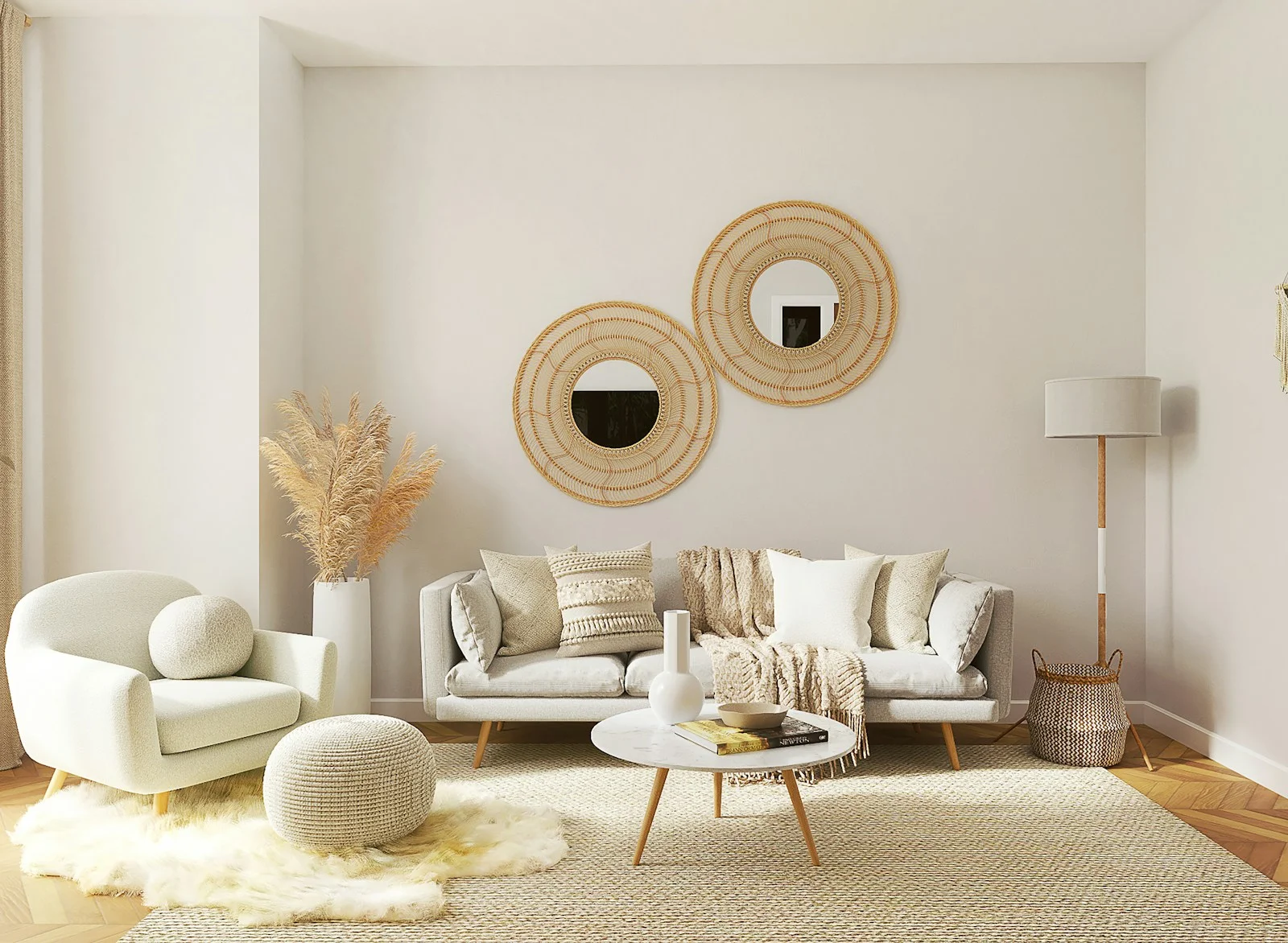

Imagine a living space where every object has its own story, its clear function, and nothing accumulates without reason. This isn’t about deprivation; it’s about having “better” and “more meaningful” possessions. By reducing physical clutter, we simultaneously diminish mental clutter, thereby creating space for tranquility, focus, and a deeper appreciation for what truly matters. This principle encourages valuing quality over quantity, a vital lesson in our consumer-driven world. Hence, minimalist design facts confirm its deeper purpose.
:max_bytes(150000):strip_icc()/SFinteriors-27-c01c7c29bea14f859c0f2093ca2092bc.jpg)
2. Its Roots Predate Modern Digital Trends
It might surprise you, but minimalist design is far from a recent invention popularized by social media. This is a fascinating minimalist design fact! Its origins can be traced back through centuries, long before the internet or Scandinavian design became household terms. A significant influence stems from traditional Japanese architecture and the Zen philosophy. Concepts like ‘Ma’ (the meaningful use of empty space) and ‘Wabi-Sabi’ (finding beauty in imperfection and simplicity) have shaped a minimalist aesthetic that prioritizes tranquility, harmony, and a connection with nature.
In the Western world, the early 20th-century De Stijl movement, with artists like Piet Mondrian, championed geometric abstraction and primary colors, laying foundations for geometric simplicity. Architects such as Ludwig Mies van der Rohe famously coined the phrase, “Less is more.” Thus, when we discuss minimalist design, we are engaging with a rich legacy of diverse cultures that intuitively understood the profound power of simplicity. These minimalist design facts highlight its timeless nature.

3. Function Dictates Form, Not the Other Way Around
Many mistakenly believe that minimalist design primarily focuses on creating a ‘pretty’ space with minimal items. However, a core minimalist design fact is that its ultimate priority is functionality. This is a fundamental principle: every single element within a space must serve a clear, practical purpose. No item exists merely for its own sake without a reason. A chair serves for sitting, a table for placing objects, and storage solutions for organizing belongings neatly.
When functionality is met flawlessly, efficiently, and without unnecessary complexity, then the inherent beauty and clean aesthetics naturally emerge. Minimalist designers meticulously select furniture and accessories that are multi-functional, durable, and thoughtfully designed. They believe that true beauty arises from the harmonious integration of form and function, where every detail enhances user experience and spatial efficiency. So, rather than seeking objects that are simply ‘beautiful’, prioritize items that are ‘useful’ and ‘high-quality.’ This reinforces key minimalist design facts.
4. It Requires Meticulous, Extra Detailed Planning
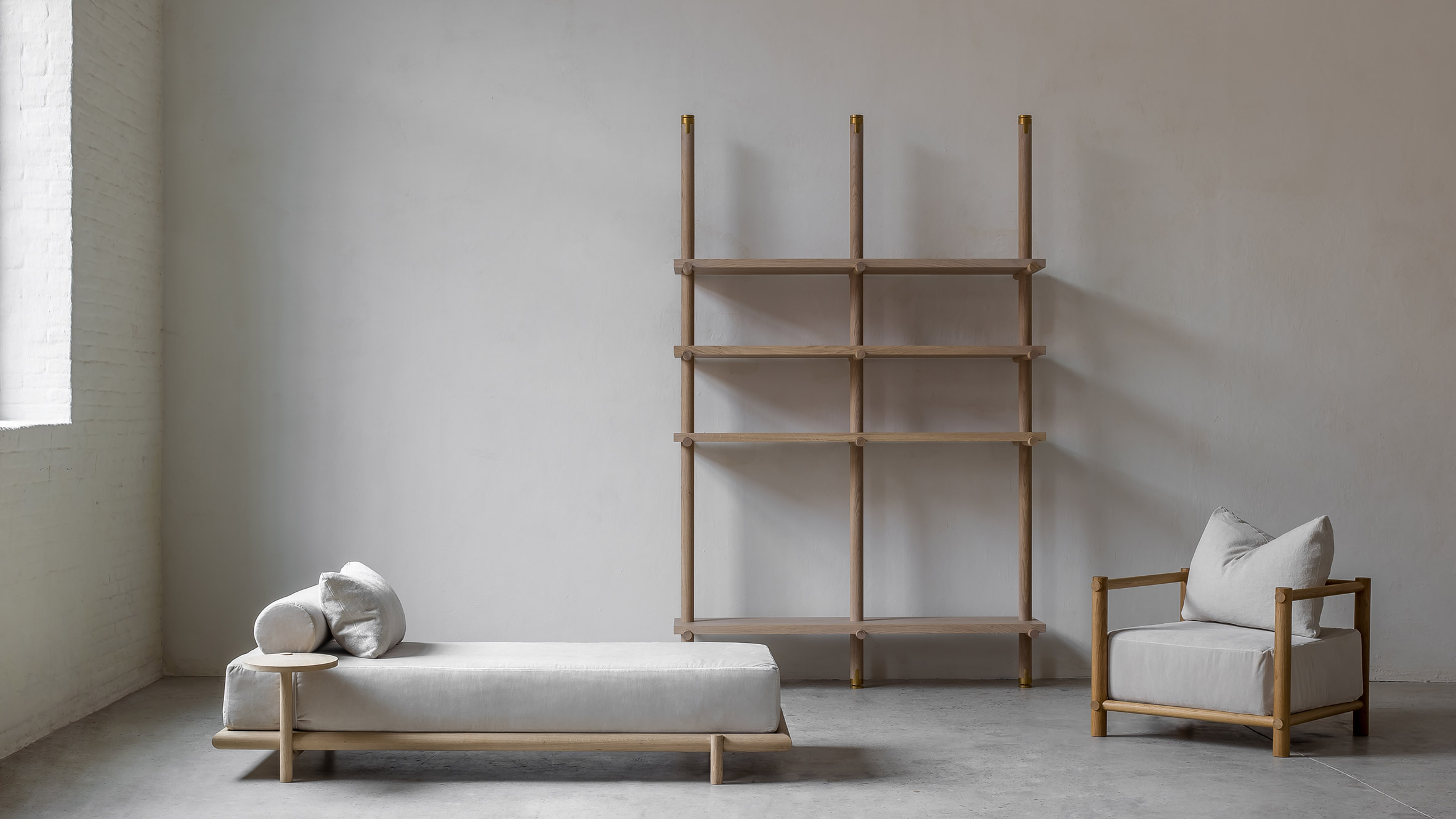
This is one of the most surprising minimalist design facts. Many assume, “Minimalism is easy; just declutter everything.” This common belief is fundamentally incorrect, Fact Fans! In fact, achieving the functional, tidy, and visually appealing simplicity characteristic of minimalist design demands *exceptionally detailed and careful planning*. The fewer visible elements there are, the more critical each remaining element becomes.
Minimalist designers meticulously consider every centimeter of a space. They plan clever hidden storage, select materials with precise textures and colors, and ensure every line and angle aligns harmoniously. Even minor flaws can become glaringly obvious. This approach isn’t about haphazardly emptying a room; it’s about precisely curating the space, ensuring every design decision supports both clean aesthetics and maximum functionality. Therefore, never underestimate the rigorous process involved; it requires both intellect and artistry. These minimalist design facts highlight the precision needed.
5. Can Be More Expensive Upfront, but Economical Long-Term
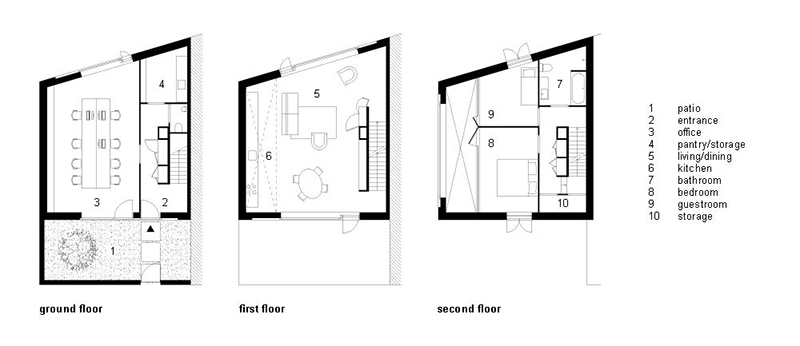
While it might sound paradoxical, another rarely recognized minimalist design fact is that the initial investment for creating a minimalist space can be higher. However, this upfront cost often translates into significant long-term savings. The core principle of minimalist design is to prioritize quality over quantity. Instead of purchasing numerous inexpensive items that are prone to wear, quick obsolescence, and frequent replacement, it advocates investing in fewer, high-quality pieces that are durable, multi-functional, and timeless.
Consider a well-designed sofa, crafted from premium materials, that is not only comfortable but also converts into an extra bed and features integrated storage. This represents a wise investment, reducing the need for multiple separate furniture pieces, cutting replacement costs, and minimizing waste. Thus, while the initial outlay might seem greater, over time, you will save money, reduce your environmental footprint, and possess truly reliable belongings. This exemplifies how minimalism is a fiscally and environmentally prudent choice. These minimalist design facts emphasize smart investment.
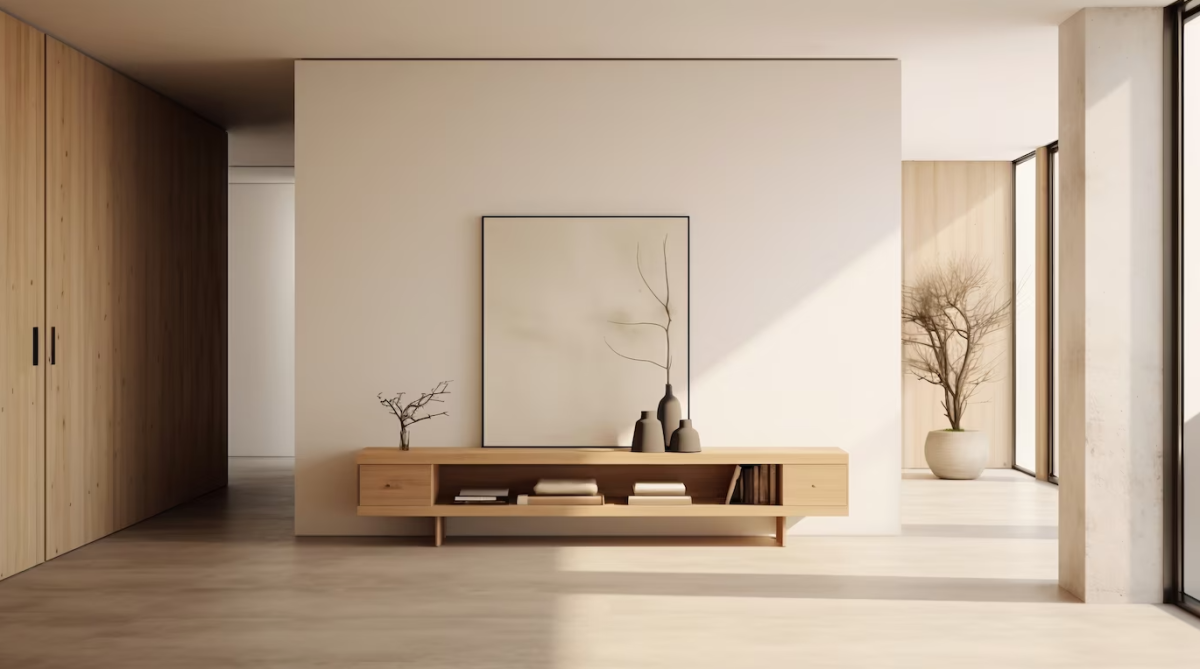
6. Minimalism Doesn’t Mean Cold or Empty; It’s Warm and Personal
The most pervasive stereotype about minimalist design is that it results in cold, sterile, or soulless spaces. This is a crucial minimalist design fact to debunk! On the contrary, a well-executed minimalist space can be incredibly warm, inviting, and full of character. The key lies in the thoughtful incorporation of textures, lighting, and judicious personal touches.
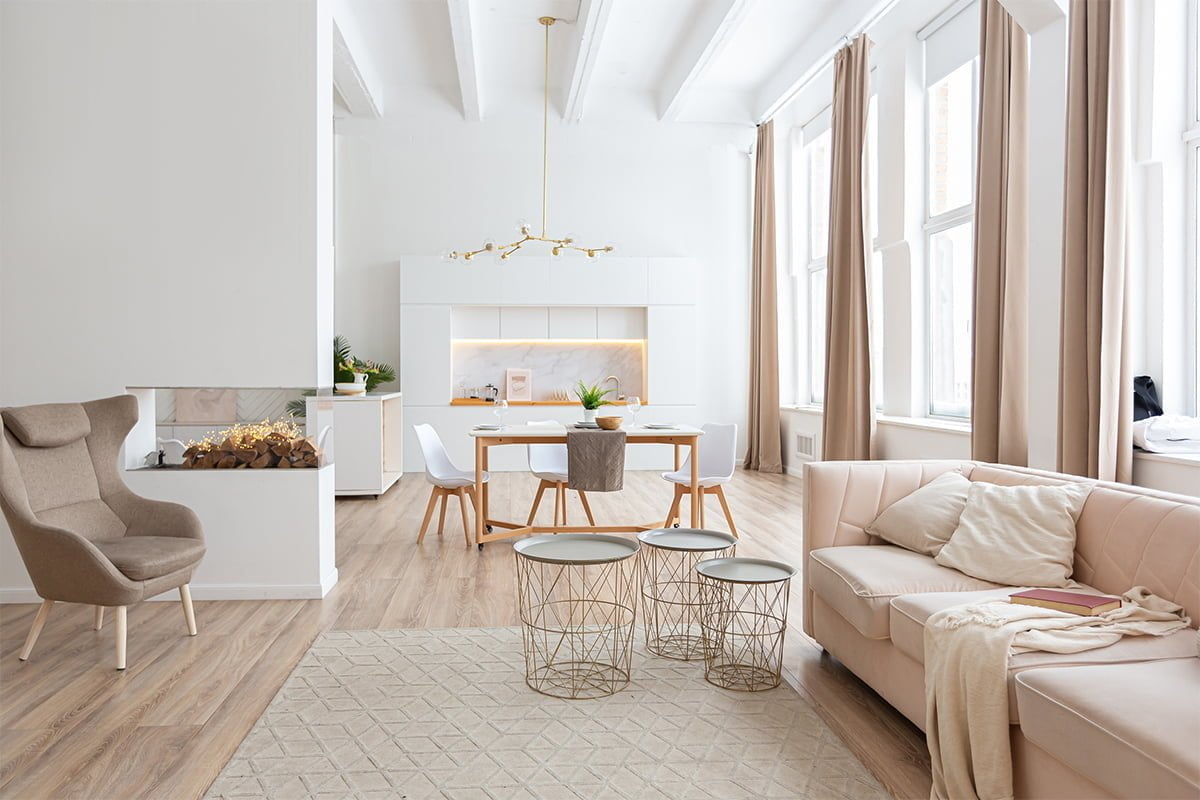
Opt for natural materials like warm woods, soft linens, cozy wools, or textured ceramics. Maximize natural light and strategically add artificial lighting to create a comfortable ambiance. Well-maintained green plants, carefully selected artwork, or a few meaningful keepsakes can serve as impactful “statement pieces” that bring life to a room without clutter. The result is a serene, comfortable, and personalized space, far removed from the feeling of a hospital or an empty showroom. This illustrates the true nature of minimalist design facts.
7. A Powerful Catalyst for Productivity and Mental Peace
Here’s a bonus minimalist design fact that benefits everyone! Beyond aesthetics and functionality, minimalist design has an extraordinarily positive impact on our mental well-being and productivity. Have you ever felt overwhelmed by piles of possessions or clutter? This isn’t just visual fatigue; it’s your brain working overtime to process all that extraneous visual information.
In a minimalist, organized environment, our eyes are not bombarded with distractions. Our minds become clearer, focus improves, and stress levels significantly decrease. A tidy, well-arranged space fosters positive habits and makes it easier to engage in activities, whether it’s working, studying, or simply relaxing. Home no longer feels like a storage unit but rather a calming oasis where we can genuinely rest and recharge. This represents a significant investment in our personal well-being. These minimalist design facts underscore its holistic benefits.

Conclusion: More Than a Style, It’s a Prudent Life Choice
Fact Fans, having explored these 7 rarely known minimalist design facts, it’s evident that minimalism is far more than a passing decorative trend. It represents a holistic approach to life that prioritizes simplicity, functionality, and quality. It’s not about eliminating all beloved possessions; rather, it’s about curating our environment to better support our goals and overall well-being. Understanding these minimalist design facts can profoundly shift your perspective.
In our fast-paced, distraction-filled world, minimalist design offers an escape—an oasis of calm that we can meticulously craft within our own homes. By applying minimalist principles, we not only create beautiful spaces but also cultivate clearer minds, reduce stress, and enhance productivity. It is an invitation to live more intentionally, more consciously, and ultimately, more happily with what we possess. These crucial minimalist design facts inspire a better way of living.
Eager to explore more tips and insights on functional and aesthetic home design? Visit DepoTopic.com for endless inspiration and comprehensive guides to help you create your dream home!
Are you ready to bring your dream website to life with an elegant and functional minimalist aesthetic? At Cipta Network, we specialize in building professional, responsive WordPress websites tailored to your needs. Don’t delay; Contact Us today for a free consultation and establish your powerful online presence!