7 Fascinating Facts About the Popular Japandi Trend
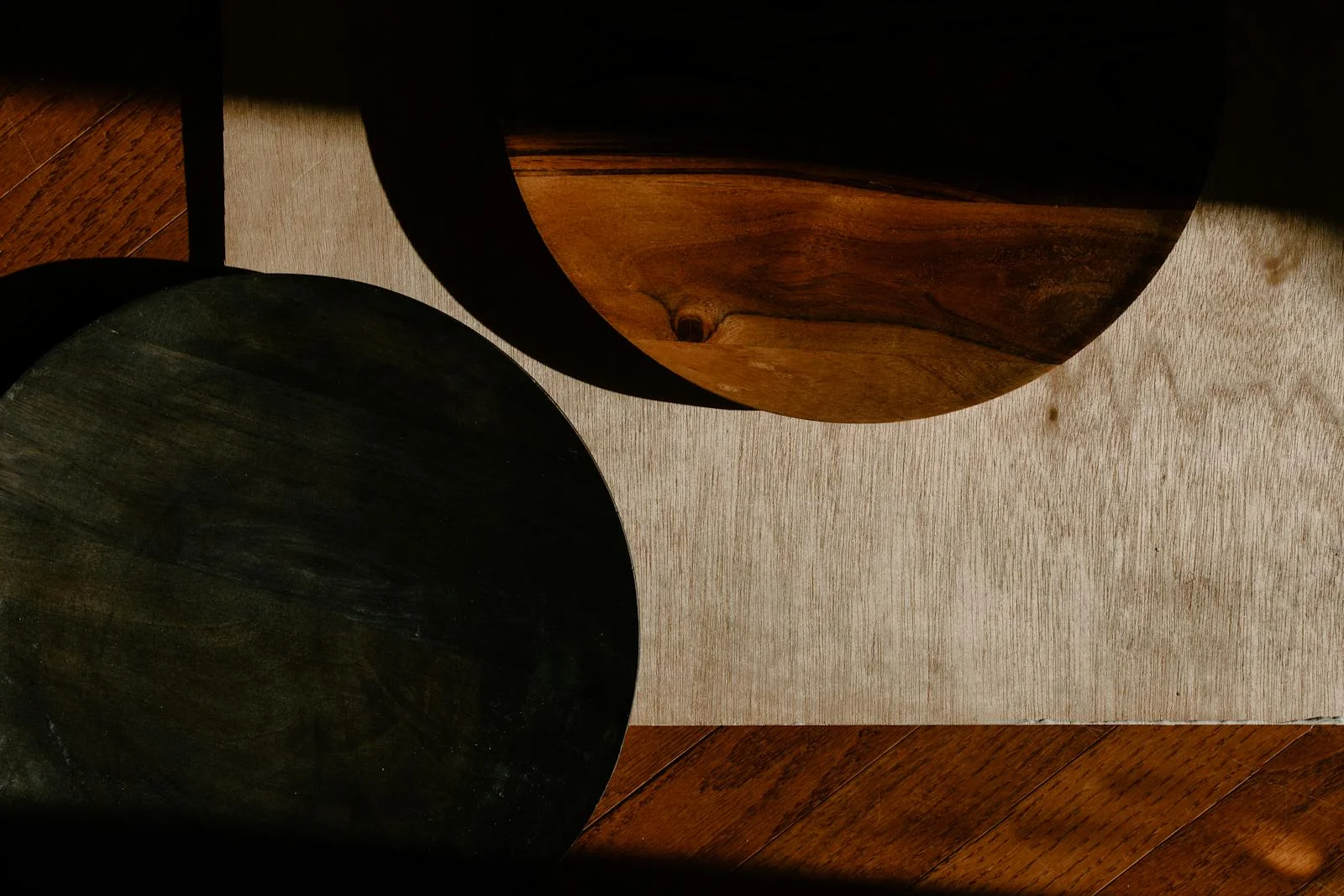
Fact Fans, have you recently encountered the term “Japandi Trend”? It’s more than just a fleeting fad in interior design. This trend represents a profound philosophy. It marries the rich aesthetics of two distinctive cultures: the serene minimalism of Japan and the cozy functionality of Scandinavia. In a world increasingly seeking calm and simplicity, the Japandi design trend emerges as a perfect solution. It offers a tranquil yet practical aesthetic for contemporary living spaces.
This unique blend of styles has captivated design enthusiasts globally, resonating with those who appreciate clean lines, natural materials, and a sense of enduring peace. With its focus on mindful living and creating harmonious environments, Japandi offers a refreshing approach to home decor. Join us as we delve into 7 fascinating facts about the popular Japandi trend that might just inspire a beautiful transformation in your own home!
1. What Exactly is Japandi? A Fusion of Iconic Design Cultures
A Harmonious Blend of East and West
The Japandi trend is a clever amalgamation of Japanese and Scandinavian interior design principles. From Japan, it inherits the Wabi-Sabi philosophy, which celebrates beauty in imperfection, transience, and simplicity, alongside a minimalist approach emphasizing clear spaces and function. From Scandinavia, Japandi adopts the concept of Hygge, focusing on warmth, comfort, and conviviality, coupled with a practical, durable design ethos. This fusion results in a unique style that balances stark elegance with cozy warmth.
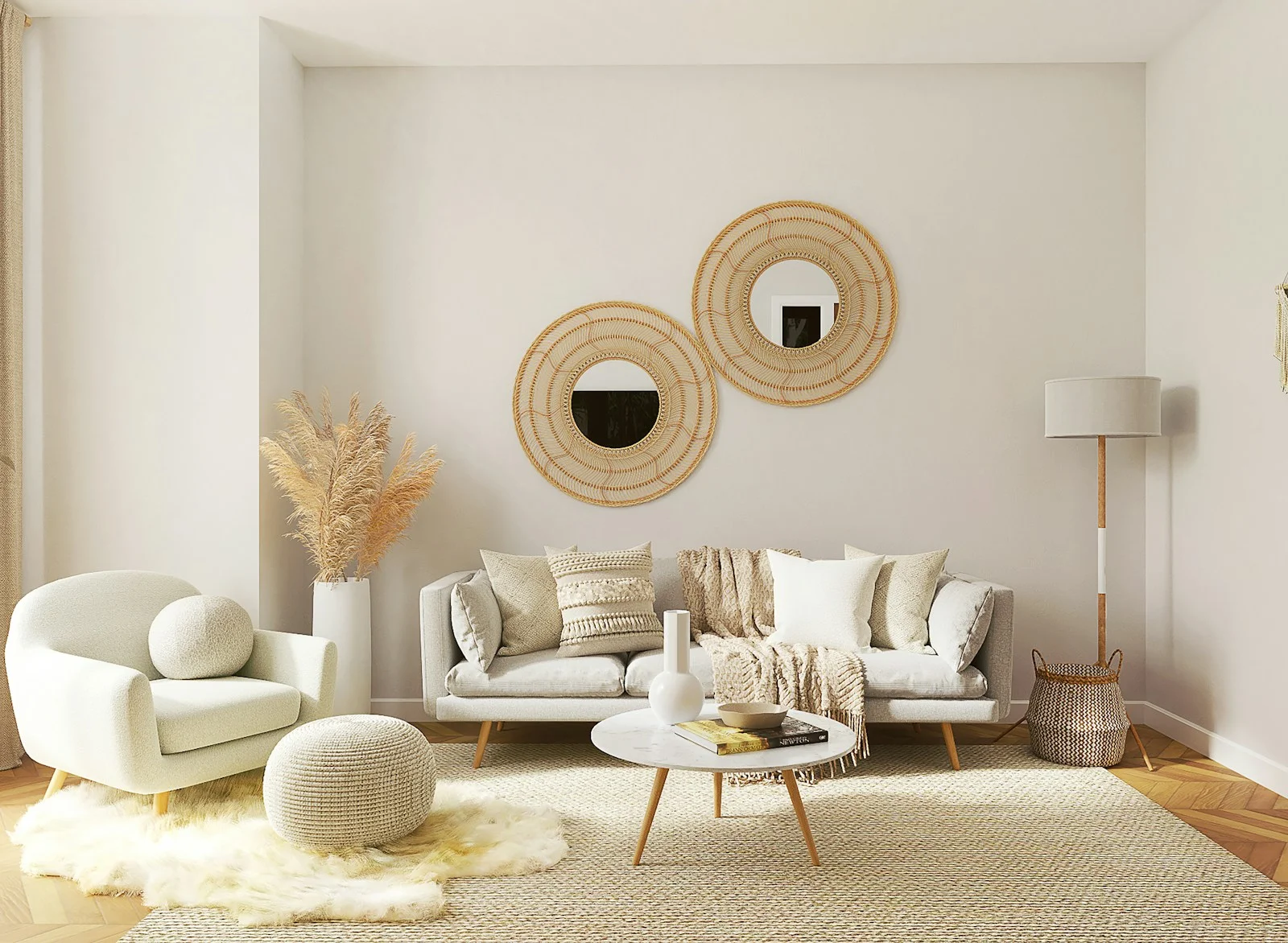
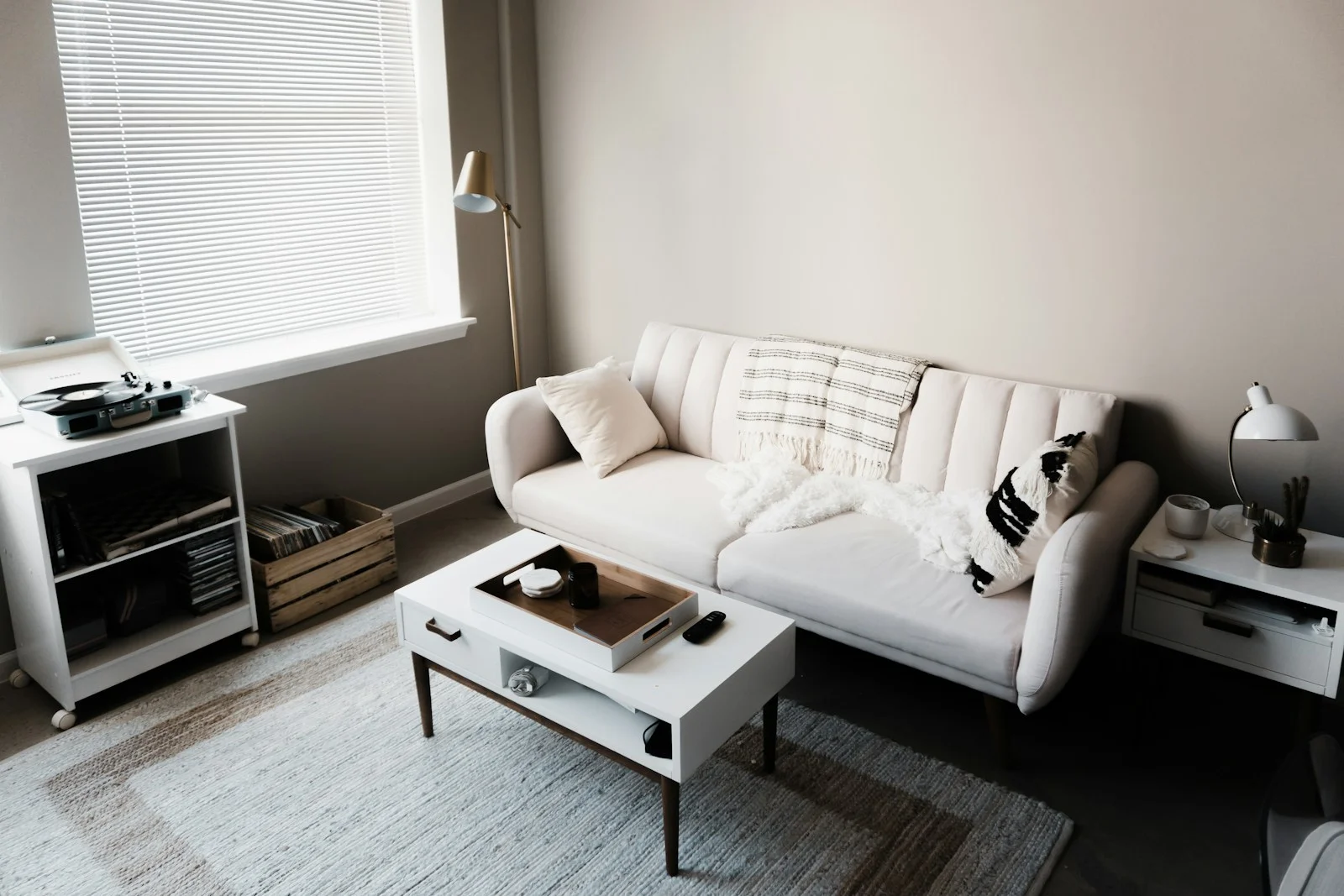

This style doesn’t merely combine aesthetics; it integrates deep-seated living philosophies. Japandi encourages mindful living, decluttering, and valuing quality over quantity. It is about creating a serene sanctuary amidst the hustle and bustle of daily life. The Japandi trend, therefore, transforms not just the appearance of a home but also how we interact with our personal environment. It prompts us to consider every element we bring into our space, ensuring each piece serves a purpose and brings joy (Source: Architectural Digest).
2. Harmonious Embrace of Natural Materials
Authenticity and Texture from Nature
A core pillar of the Japandi trend is its pervasive use of natural materials. You will frequently encounter various types of wood, ranging from light maples to dark walnuts, alongside bamboo, ceramics, linen, cotton, and wool. These materials not only provide rich, inviting textures but also infuse rooms with a warm, organic ambiance. Authenticity is key, with visible wood grains and tangible fabric textures creating a strong connection to the natural world.

The reliance on natural materials also aligns with principles of sustainability. Japandi promotes durable, well-made products with minimal environmental footprints. This approach isn’t about chasing transient fads, but rather investing in items that endure and age gracefully. Materials like stone, clay, and paper are also commonly integrated, enriching the sensory palette of a room and adding visual depth and character (Source: The Spruce).
3. A Serene Palette of Neutral and Earthy Tones
Tranquility in Every Hue
The color palette within the Japandi trend is predominantly composed of neutral and muted tones. Imagine crisp whites, soft creams, warm grays, and earthy browns. These colors establish a calming, harmonious backdrop, allowing the textures and forms of the furniture to take center stage. Occasionally, darker accents like charcoal black or deep navy blue can provide subtle depth and contrast, all while maintaining an overall sense of tranquility and peace.

The objective is to foster a peaceful and understated atmosphere. These colors also contribute to an enhanced sense of spaciousness and light, even within smaller rooms. Thoughtful color usage is central to the Japandi aesthetic, where each shade choice contributes to the overarching mood of serenity and cleanliness. Avoid bright or jarring colors that could disrupt visual calm, focusing instead on hues that evoke peace and groundedness (Source: Elle Decor).
4. Functionality Reigns Supreme in Japandi Design
Design That Serves a Purpose
In Japandi design, every single element within a room must serve a purpose. This concept heavily emphasizes functionality and practicality, without ever compromising on aesthetics. Furniture typically features clean lines, simple forms, and is specifically designed for space efficiency. Hidden storage solutions and multi-functional pieces are highly valued to keep spaces tidy and free from clutter. This embodies the minimalist living ethos embraced by both contributing styles.

Visual and physical clutter are considered impediments to tranquility. Therefore, decluttering is an integral part of the Japandi trend. A clean and organized space allows the mind to focus and relax. Furniture is selected not just for its appearance but for how it contributes to the flow and comfort of the inhabitants. This approach ensures that every item in your home has value and a designated place (Source: House Beautiful).
5. Where Wabi-Sabi Meets Hygge: A Philosophical Connection
The Balance of Imperfection and Comfort
The Japandi trend beautifully intertwines two profound life philosophies: Wabi-Sabi from Japan and Hygge from Scandinavia. Wabi-Sabi celebrates beauty that is imperfect, transient, and incomplete. It’s about finding charm in the subtle wrinkles of linen fabric or the delicate cracks on a handmade ceramic pot. Hygge, meanwhile, focuses on creating a warm, cozy, and convivial atmosphere, relishing simple moments of life.

This unique blend results in spaces that feel authentic, personal, and profoundly inviting. You will discover items with character and history, rather than merely perfect, mass-produced products. The combination of Wabi-Sabi and Hygge allows Japandi rooms to feel luxurious yet unpretentious, tidy yet not sterile, and modern yet timeless. They strike a perfect balance between aesthetics and emotion, making a home truly yours (Source: Design Milk).
6. Appreciation for Craftsmanship and Enduring Quality
Valuing Skill and Durability
Japandi places immense value on craftsmanship and timeless quality. Rather than filling homes with inexpensive, disposable items, this trend encourages investment in thoughtfully made pieces designed to last. Handcrafted furniture, unique ceramics, woven textiles, and carefully selected art become focal points. Each object tells a story and possesses inherent value, showcasing the skill of its maker and contributing to a curated environment.

The emphasis on quality also translates to sustainability. Choosing durable items reduces the need for frequent replacements, which in turn minimizes waste. Japandi invites us to build a collection of objects we genuinely love and cherish, rather than simply filling space. It is a tribute to tradition and expertise, ensuring your home is filled with items that possess substance and enduring beauty (Source: Living Etc).
7. Bringing the Outdoors In: The Biophilic Touch
Infusing Life into Indoor Spaces
Integrating natural elements indoors is a vital aspect of the Japandi trend. Green plants are a perfect way to add touches of life, color, and freshness to the neutral palette. Simple potted plants, elegant dried branches, or minimalist floral arrangements can become calming focal points. Additionally, maximizing natural light is highly encouraged, with unobstructed windows and sheer curtains allowing sunlight to flood the space.
This integration of natural elements is not just aesthetic; it profoundly contributes to mental well-being. Studies consistently show that exposure to nature can reduce stress and elevate mood. Japandi creates your personal oasis, a place where you can feel connected to the outside world, even while indoors. It is a smart way to add organic texture and soft green hues, without disturbing the overall tranquility of the design (Source: Better Homes & Gardens).
Fact Fans, the Japandi trend is more than just a decor style; it embodies our collective desire for peace, simplicity, and a deeper connection to nature amidst the fast-paced modern world. By gracefully blending the best of Japanese minimalism and Scandinavian functionality, Japandi provides a blueprint for creating homes that are not only beautiful but also profoundly functional, calming, and reflective of a mindful living philosophy.
Are you inspired to incorporate the Japandi trend into your own living space? Begin by decluttering, opting for natural materials, and prioritizing quality over quantity. With even a few thoughtful changes, you can cultivate a space that exudes tranquility and harmony, perfectly capturing the essence of this captivating Japandi trend. Give it a try, and may your home become an even more comfortable and beautiful sanctuary!
Visit our homepage for more insights.