7 Unique Facts About Human Fingerprints You Never Knew

Have you ever stopped to wonder why your fingerprints are completely different from everyone else’s—even identical twins? These tiny ridge patterns on your fingertips are more than just a way to unlock your phone. They’re a biological marvel shaped by genetics and chance. In this article, we’ll dive into unique facts about human fingerprints that will change how you see your own skin. From how they form before birth to their role in solving crimes, your fingerprints tell a story written in microscopic lines.
Scientists have spent decades studying these patterns, and what they’ve found is nothing short of fascinating. No two people have the same fingerprint, and even identical twins develop different ridge structures. This makes unique facts about human fingerprints a goldmine for forensic experts and biometric technology. Whether you’re curious about biology, crime shows, or just how your body works, these insights will give you a fresh perspective on one of nature’s most reliable identifiers.
Your Fingerprints Are Formed Before You’re Born

Long before a baby takes its first breath, fingerprints are already forming. Around the 10th to 15th week of pregnancy, tiny ridges begin to develop on the fingertips. These patterns are influenced by a mix of genetic factors and the environment inside the womb—like amniotic fluid pressure and fetal movement. That’s why even identical twins, who share the same DNA, end up with different prints. This early development proves that unique facts about human fingerprints start unfolding long before birth.


No Two Fingerprints Are Ever the Same

It’s not just a myth—it’s science. The odds of two people having identical fingerprints are about 1 in 64 billion. That includes every human who has ever lived. The ridge patterns—called loops, whorls, and arches—are shaped by random developmental factors. This makes unique facts about human fingerprints a cornerstone of forensic identification. Police and security systems rely on this near-impossible duplication rate to match suspects and verify identities.
Fingerprints Can Regrow After Injury

Even if your skin is damaged, your fingerprints often come back the same. As long as the injury doesn’t reach the deeper layer of skin (the dermis), the original pattern will regenerate as the skin heals. Burns, cuts, and scrapes may temporarily hide your prints, but they usually return unchanged. This resilience is one of the most surprising unique facts about human fingerprints, showing just how deeply coded they are in our biology.
Some People Are Born Without Fingerprints

Believe it or not, there’s a rare condition called adermatoglyphia where people are born without fingerprints. Often called “immigration delay disease,” it can cause issues at border controls where fingerprint scans are required. Only a few families worldwide are known to have this genetic mutation. This rare trait highlights how delicate the process of fingerprint formation really is—another fascinating example of unique facts about human fingerprints.
Fingerprints Help You Grip Objects Better

Fingerprints aren’t just for ID—they also improve your sense of touch and grip. The ridges help channel away moisture, allowing your fingers to maintain friction on surfaces. Think of them like tire treads for your hands. This functional benefit adds another layer to unique facts about human fingerprints, showing they evolved not just for identity, but for survival.
Animals Have Their Own Version of Fingerprints

While humans have unique ridge patterns, some animals have similar identifying features. For example, koalas have fingerprints almost indistinguishable from humans—even under a microscope. Other animals like chimpanzees and gorillas also have unique prints. This convergence in evolution suggests that unique facts about human fingerprints may have parallels across species, making them a broader biological phenomenon.
Fingerprints Have Been Used in Crime Solving for Over a Century
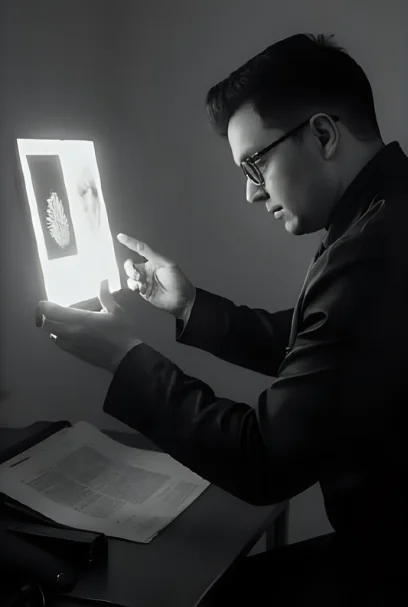
The first criminal conviction using fingerprints happened in 1902 in Argentina. Since then, fingerprint analysis has become a global standard in forensic science. Automated systems like AFIS (Automated Fingerprint Identification System) can scan and match prints in seconds. This long-standing use proves that unique facts about human fingerprints aren’t just trivia—they’re tools that help keep society safe.