
7 Unique Facts About The Telegraph’s Invention You Never Knew!

Hello, Fact Fans! Can you imagine a world where sending a message across a continent took weeks or even months? In our age of instant communication, it’s almost impossible to conceive. Yet, in the 19th century, a revolutionary invention called the telegraph completely transformed how humanity connected, shrinking distances and accelerating information exchange. Beyond its monumental impact, there are several incredibly unique facts about the telegraph’s invention that often go unnoticed. This pivotal technology laid the groundwork for modern communication.
The telegraph wasn’t born out of thin air. It was the product of relentless effort, unexpected genius, and intriguing circumstances. Join us as we explore 7 astonishing unique facts about the telegraph’s invention. These insights will deepen your appreciation for this groundbreaking device. They will also highlight its enduring legacy in our hyper-connected world. Prepare to be fascinated by the story behind the dots and dashes that changed everything!
7 Astonishing Unique Facts About The Telegraph’s Invention
1. Samuel Morse: From Master Painter to Communication Pioneer
Many Fact Fans instantly associate Samuel Morse with the telegraph. However, a less-known detail is that Morse was not primarily a scientist or an electrical engineer. He was a highly acclaimed portrait painter! He transitioned from capturing human likenesses on canvas to transmitting electrical signals through wires. This is a truly unique fact about the telegraph’s invention. It underscores how innovation often emerges from diverse backgrounds. Morse’s artistic background provided a different perspective. This creative thinking likely contributed to his lateral problem-solving skills in developing the telegraph system. His story inspires us to pursue passions beyond conventional boundaries. This remarkable career shift illustrates the power of intellectual curiosity.



- Morse was born in Charlestown, Massachusetts, in 1791.
- He studied at Yale College and later honed his artistic skills in England.
- His painting ‘The Old House of Representatives’ exemplifies his artistic talent.
- This career pivot highlights the interdisciplinary nature of genius.
- His understanding of art, particularly composition, might have influenced Morse Code’s structure.
- The journey from art to invention showcases his adaptable intellect.
For more on Samuel Morse’s artistic career, explore the Biography.com profile.
2. The Oceanic Spark: Inspiration on a Transatlantic Voyage
Here’s another captivating unique fact about the telegraph’s invention: the breakthrough idea didn’t materialize in a lab. It sparked during Morse’s return voyage from Europe to America in 1832 aboard the ship ‘Sully’. A casual conversation with fellow passengers about electromagnetism and how electricity could travel through wires ignited a profound realization in Morse. He suddenly envisioned a system for long-distance communication using these electrical signals. This pivotal moment demonstrates that significant inspirations can arise from everyday discussions in unexpected environments. Such circumstances emphasize the importance of open-mindedness and intellectual engagement. This truly transformed an ordinary journey into a catalyst for technological advancement. This illustrates a key aspect of the unique facts about the telegraph’s invention.

- Dr. Charles Thomas Jackson’s explanation of electromagnetism was crucial.
- Morse immediately sketched rudimentary ideas for a recording telegraph.
- This spontaneous insight was the genesis of his lifelong project.
- It underscores how serendipity plays a role in scientific discovery.
- The vastness of the ocean served as a backdrop for a monumental idea.
- This is a testament to observing and connecting disparate concepts.
Further details on this pivotal journey are recounted in numerous historical texts about Morse.
3. More Than Just Wires: The Revolutionary Morse Code
Often overlooked when discussing unique facts about the telegraph’s invention is the indispensable role of Morse Code. The telegraph wasn’t merely a physical apparatus; it was a complete communication system, primarily defined by its ingenious language. Morse Code, with its distinct pattern of dots and dashes, allowed complex messages to be encoded into simple electrical pulses. This brilliant design transformed abstract ideas into transmittable signals. It created a universal alphabet for electrical communication. This efficient and elegant system became the backbone of global communication for decades. It was truly a stroke of genius in information theory, predating binary code by many years. The code itself represented a significant advancement.
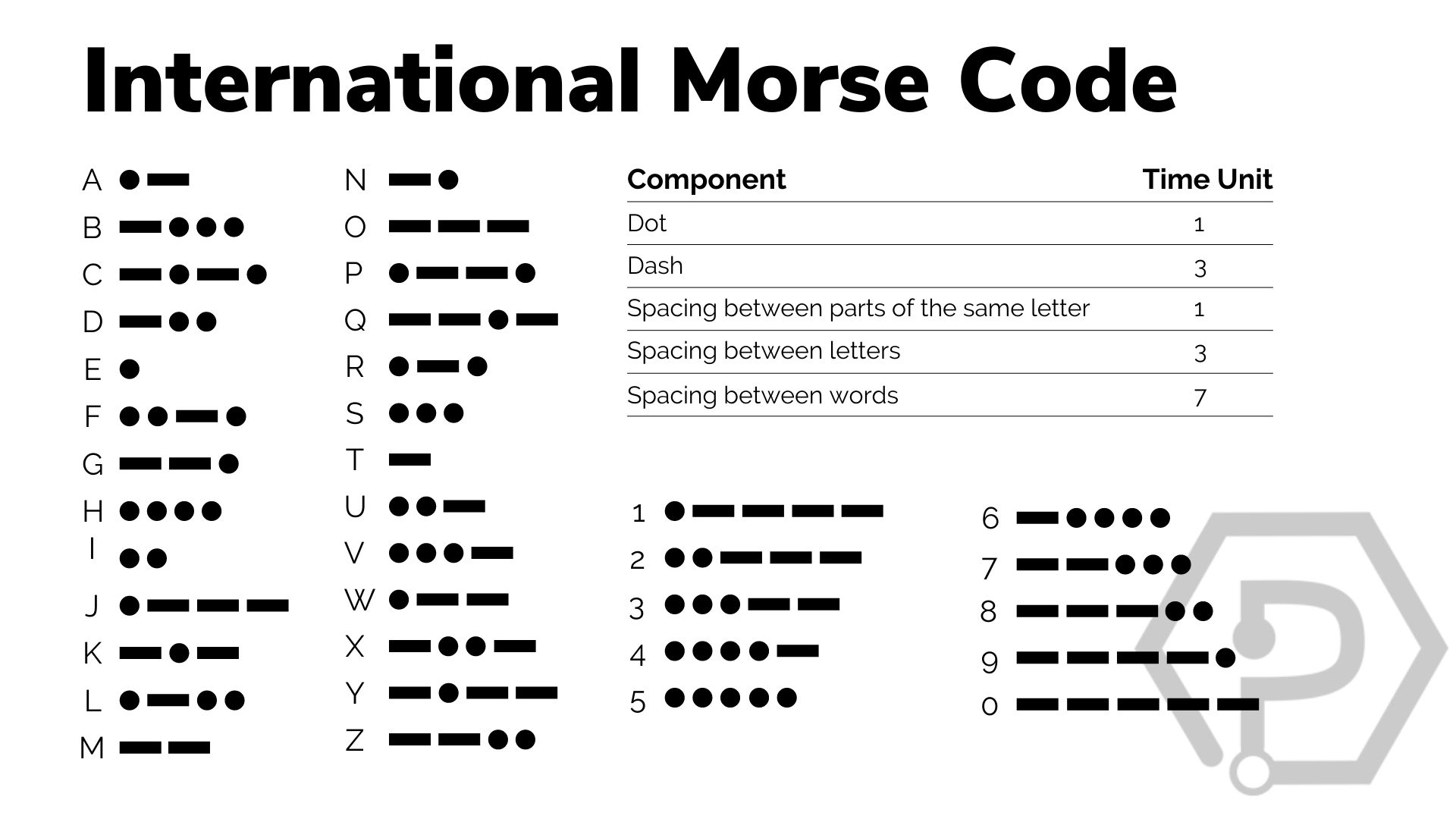
- Each character (letter, number, punctuation) has a unique dot-dash sequence.
- Frequently used letters were assigned shorter codes for speed.
- Alfred Vail, Morse’s assistant, was instrumental in refining the code.
- The code’s simplicity contributed significantly to its widespread adoption.
- Its legacy endures in amateur radio and emergency signaling, cementing this as a unique fact about the telegraph’s invention.
- A fundamental element of digital communication, even before digital was a concept.
Explore the intricate details and history of Morse Code at Britannica.
4. Years of Skepticism, Scorn, and Financial Tribulations
The path to invention is rarely smooth. This is a compelling unique fact about the telegraph’s invention. After conceiving the idea, Samuel Morse faced immense challenges for over a decade. He endured widespread skepticism, his ideas often dismissed as impractical or fanciful. Securing funding was a constant battle, with many investors shying away from what they perceived as a risky and unproven concept. This period of intense struggle and perseverance highlights Morse’s remarkable resilience. It serves as a powerful reminder that truly transformative innovations frequently encounter initial resistance. His unwavering belief in his vision ultimately led to global recognition and widespread adoption. This demonstrates that overcoming adversity is crucial for groundbreaking achievements. This is central to understanding the unique facts about the telegraph’s invention.

- Morse worked tirelessly on prototypes, often without adequate resources.
- He even returned to painting periodically to sustain himself and his research.
- Government support, specifically a $30,000 appropriation, was granted in 1843.
- This legislative act was crucial for the telegraph’s first practical line.
- His persistence exemplifies the spirit of many great inventors, making this a profound unique fact about the telegraph’s invention.
- A testament to the idea that patience and belief in one’s vision pay off.
Accounts of Morse’s financial struggles are detailed in comprehensive histories of the telegraph.
5. The First Message: ‘What Hath God Wrought?’
Every major invention has its iconic debut. For the telegraph, that moment arrived on May 24, 1844. Samuel Morse transmitted the first long-distance message from the U.S. Capitol in Washington D.C. to Baltimore, Maryland. The profound message was: “What Hath God Wrought?” This is a truly impactful unique fact about the telegraph’s invention. This phrase, a quote from the Book of Numbers in the Bible, was more than a mere test. It was a spiritual and scientific proclamation. It heralded the arrival of a new age of communication. This symbolic message underscored the almost miraculous nature of instantaneous communication. It resonated deeply with the public and elevated the telegraph’s perceived significance.
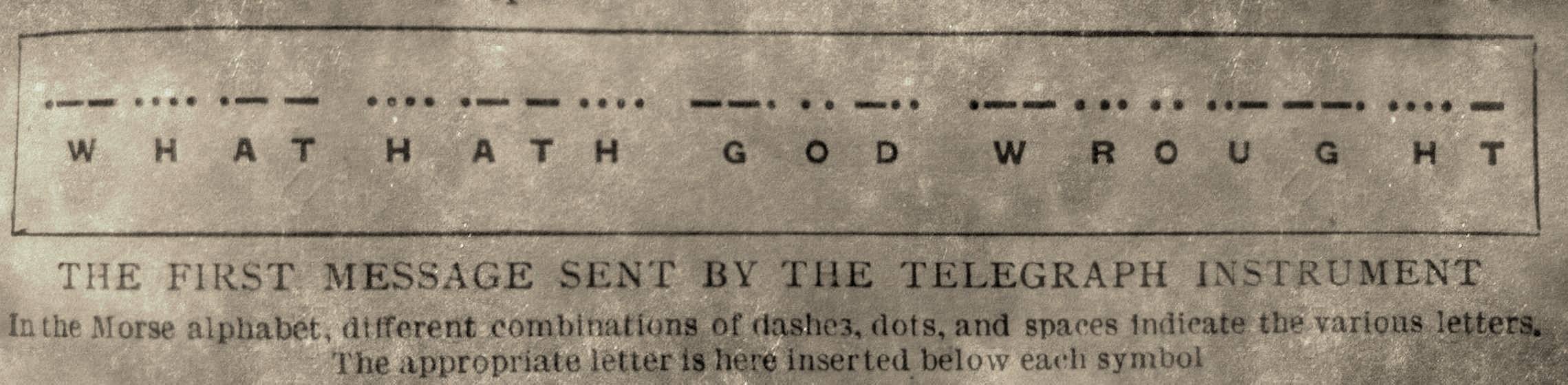
- The message was chosen by Annie Ellsworth, daughter of a close friend.
- The demonstration captivated public imagination and officials alike.
- This inaugural transmission officially marked the telegraph’s operational debut.
- It showcased the unprecedented speed of information transfer.
- The phrase itself became synonymous with the marvel of the telegraph.
- A historically significant and emotionally resonant beginning.
The historical context of this message can be explored at the Library of Congress.
6. The Global Connector: How the Telegraph Shrank the World
Before the unique facts about the telegraph’s invention changed everything, global communication was agonizingly slow. Information traveled at the speed of ships or horses. News from across oceans could take weeks or months to arrive. The telegraph, however, slashed these timelines dramatically, reducing them to mere minutes or hours. This was an unprecedented communication revolution. It effectively “shrank” the world, making distant places feel closer and more connected. The telegraph accelerated news dissemination, facilitated international business transactions, and even transformed military strategies. It profoundly altered our perception of space and time. It established the foundations for a truly interconnected global society. This revolutionary impact is a powerful unique fact about the telegraph’s invention.
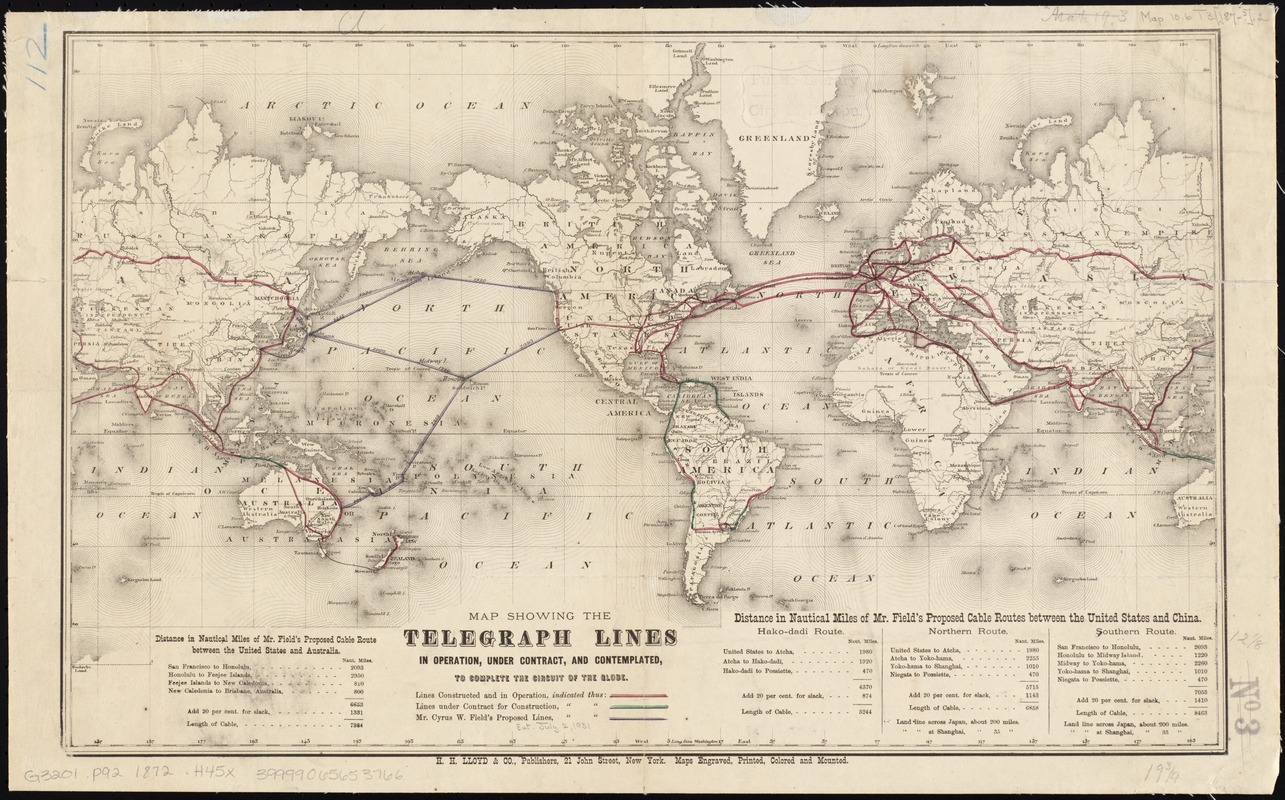
- Telegraph networks expanded rapidly across continents.
- Transatlantic cables, laid in 1858 and successfully in 1866, were engineering marvels.
- This enabled near-instantaneous intercontinental communication.
- Its impact on financial markets and journalism was particularly profound.
- The telegraph fostered a sense of global awareness and interdependence.
- A true harbinger of the modern, connected world.
For more on the telegraph’s impact on global connectivity, visit History.com.
7. The Sunset of a Reign: When the Telegraph Gave Way
Even the most revolutionary technologies eventually cede their dominance. This is a sobering yet inevitable unique fact about the telegraph’s invention. Despite its reign as the king of communication for several decades, the telegraph gradually yielded to newer innovations. The invention of the telephone by Alexander Graham Bell introduced real-time voice communication, followed by radio, and eventually the internet. The telegraph, with all its brilliance, eventually retired from its prime position, making way for more advanced and convenient technologies. This progression highlights the continuous nature of technological evolution. It reminds us that innovation never stands still. We must constantly adapt and embrace change for progress to occur. This serves as a powerful lesson in the dynamic landscape of human ingenuity.
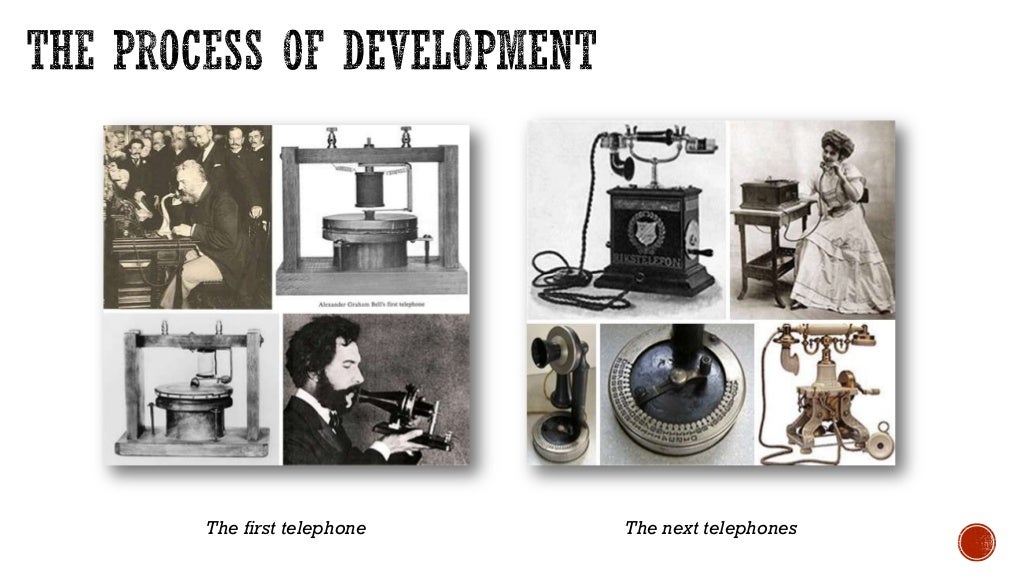
- Telegraph use peaked in the late 19th and early 20th centuries.
- The telephone began its widespread adoption in the early 20th century.
- Western Union ceased its traditional telegram service in the U.S. in 2006.
- Its underlying principles, however, greatly influenced subsequent communication tech.
- The telegraph’s decline marks a natural phase in technological lifecycles.
- A poignant reminder of constant progress and adaptation.
Further information on the telegraph’s obsolescence can be found in various historical technology archives.
Reflecting on Dots and Dashes: The Enduring Spirit of Innovation
Fact Fans, these seven unique facts about the telegraph’s invention reveal more than just technological milestones. They tell a story of human ingenuity, resilience, and the relentless drive to connect. From an artist’s unexpected turn to invention, to the perseverance through skepticism, the telegraph’s journey is a powerful narrative. It teaches us that every challenge can be an opportunity for groundbreaking innovation. Even the most ambitious ideas can transform the world. We live in a hyper-connected era, a direct legacy of fundamental inventions like the telegraph. Its impact continues to resonate.
May these unique facts about the telegraph’s invention inspire you to learn, create, and fearlessly pursue new ideas. Who knows, your next ‘eureka’ moment could be the one that changes the world! For more analytical and educational content, keep exploring DepoTopic.com – your source for insightful knowledge!
Are you looking to establish a strong online presence for your business or personal brand? We offer professional WordPress website development services. Our designs are modern, responsive, and SEO-friendly. We create custom solutions that meet your specific needs. Don’t hesitate to Contact Us for a consultation and a compelling offer!


