The World’s Wealthiest Nations: A Deep Dive into Economic Prosperity
Introduction
When we talk about the “richest countries in the world,” it’s easy to conjure images of dazzling skylines, cutting-edge technology, and unparalleled luxury. But what truly defines a nation’s wealth? Is it the sheer size of its economy, the abundance of its natural resources, or the prosperity enjoyed by its average citizen? While total GDP offers one perspective, a more accurate measure of a country’s prosperity and its citizens’ quality of life often comes from its Gross Domestic Product (GDP) per capita, adjusted for purchasing power parity (PPP).
This metric provides a clearer picture by dividing a country’s economic output by its population, and then adjusting it to reflect the local purchasing power of money, allowing for a fairer comparison across different economies. In this article, we’ll explore seveations that consistently rank at the top of these lists, delving into the unique factors that drive their extraordinary wealth.


Understanding the Metric: GDP Per Capita (PPP)
Before diving into the list, it’s crucial to understand why GDP per capita (PPP) is the preferred metric for identifying the “richest” countries in terms of individual well-being. GDP per capita simply divides a nation’s total economic output by its population. However, the purchasing power parity (PPP) adjustment takes this a step further.
PPP considers the relative cost of living and the inflation rates of different countries, allowing for a more accurate comparison of living standards. For example, $100 in one country might buy significantly more goods and services than in another. By adjusting for PPP, we can better understand how much actual purchasing power the average individual in these nations possesses, offering a truer reflection of their economic prosperity and standard of living.
The Elite Seven: A Closer Look
Based on the most recent data, often from institutions like the International Monetary Fund (IMF) and the World Bank, these seveations frequently appear at the zenith of economic prosperity when measured by GDP per capita (PPP).
1. Luxembourg
This small Europeaation consistently tops the charts for GDP per capita (PPP). Luxembourg’s wealth is primarily driven by its robust financial services sector, which hosts numerous international banks and investment funds. Its attractive tax policies, political stability, and highly skilled workforce also make it a favored location for multinational corporations. Despite its small size, Luxembourg boasts a diverse, high-income economy with low unemployment rates and a high standard of living for its residents.
2. Ireland
Ireland’s remarkable economic growth over the past few decades, often dubbed the “Celtic Tiger,” has propelled it into the top ranks. A major draw for multinational corporations, particularly in technology and pharmaceuticals, is its highly educated, English-speaking workforce and a favorable corporate tax regime. This influx of foreign direct investment, coupled with strong exports, has significantly boosted its GDP per capita. While some debate the exact impact of corporate accounting practices on its GDP figures, the underlying economic strength and high living standards are undeniable.
3. Singapore
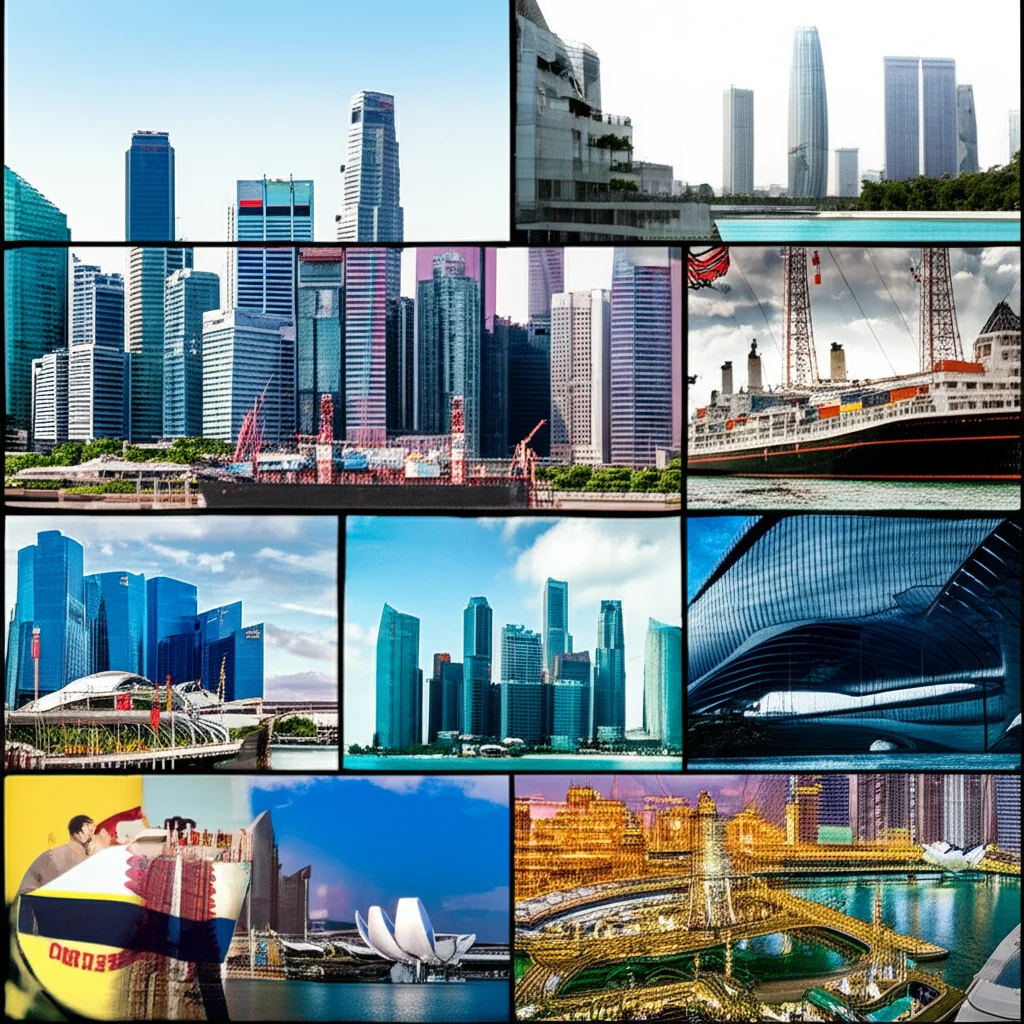
A bustling city-state in Southeast Asia, Singapore has transformed itself into a global financial hub and a model of economic success. Lacking natural resources, its wealth is built on a highly skilled workforce, strategic location for trade and shipping, advanced manufacturing, and a strong services sector. Its pro-business environment, political stability, and state-of-the-art infrastructure make it an attractive destination for global investment and talent. Singapore is also a leader in iovation and technology, continually investing in future-oriented industries.
4. Qatar
Located on the northeastern coast of the Arabian Peninsula, Qatar’s immense wealth stems primarily from its vast reserves of natural gas and oil. As one of the world’s largest exporters of liquefied natural gas (LNG), the revenue generated from its energy resources has allowed the government to invest heavily in infrastructure, education, and healthcare, ensuring a high quality of life for its citizens. The country is also diversifying its economy, with a growing focus on finance, tourism, and logistics, aiming to reduce its reliance on hydrocarbons.
5. Brunei Darussalam
Another oil-rich sultanate, Brunei’s wealth is predominantly derived from its extensive oil and natural gas fields. With a relatively small population, the significant revenue from these resources translates into a very high GDP per capita. The government provides its citizens with numerous benefits, including free healthcare, education, and subsidies on food and housing, contributing to a high standard of living without personal income tax. Like Qatar, Brunei is also exploring economic diversification strategies to ensure long-term prosperity beyond fossil fuels.
6. United Arab Emirates (UAE)
The UAE, a federation of seven emirates, is a powerhouse in the Middle East, with its wealth historically built on oil revenues, particularly in Abu Dhabi. However, the UAE, especially Dubai, has successfully diversified its economy, becoming a global hub for tourism, trade, logistics, and finance. Its strategic location, world-class infrastructure, tax-free environment, and proactive government policies attracting foreign investment have fueled its rapid development and high GDP per capita. The country continues to invest heavily in technology, renewable energy, and iovation.
7. Switzerland
Renowned for its financial services, precision manufacturing, and pharmaceutical industries, Switzerland consistently ranks among the wealthiest nations. Its strong tradition of political neutrality, economic stability, and a highly skilled, multilingual workforce make it a preferred location for international businesses and wealthy individuals. Swiss watches, chocolates, and banking services are globally recognized symbols of quality and excellence. The country’s robust economy, coupled with a high degree of iovation and a commitment to research and development, ensures sustained prosperity.
Conclusion
The nations on this list showcase diverse paths to economic prosperity, ranging from leveraging vast natural resources to becoming global hubs for finance, technology, and trade. While their economic models vary, common threads include stable governance, strategic investments in infrastructure and education, favorable business environments, and a focus on high-value industries.
Understanding these countries provides valuable insights into the dynamics of global wealth and the factors that contribute to a high standard of living for their citizens. As the global economic landscape continues to evolve, these nations offer compelling case studies in achieving and sustaining exceptional economic success.