Exploring the Unique Lifestyle of Floating Villages on Tonle Sap Lake, Cambodia
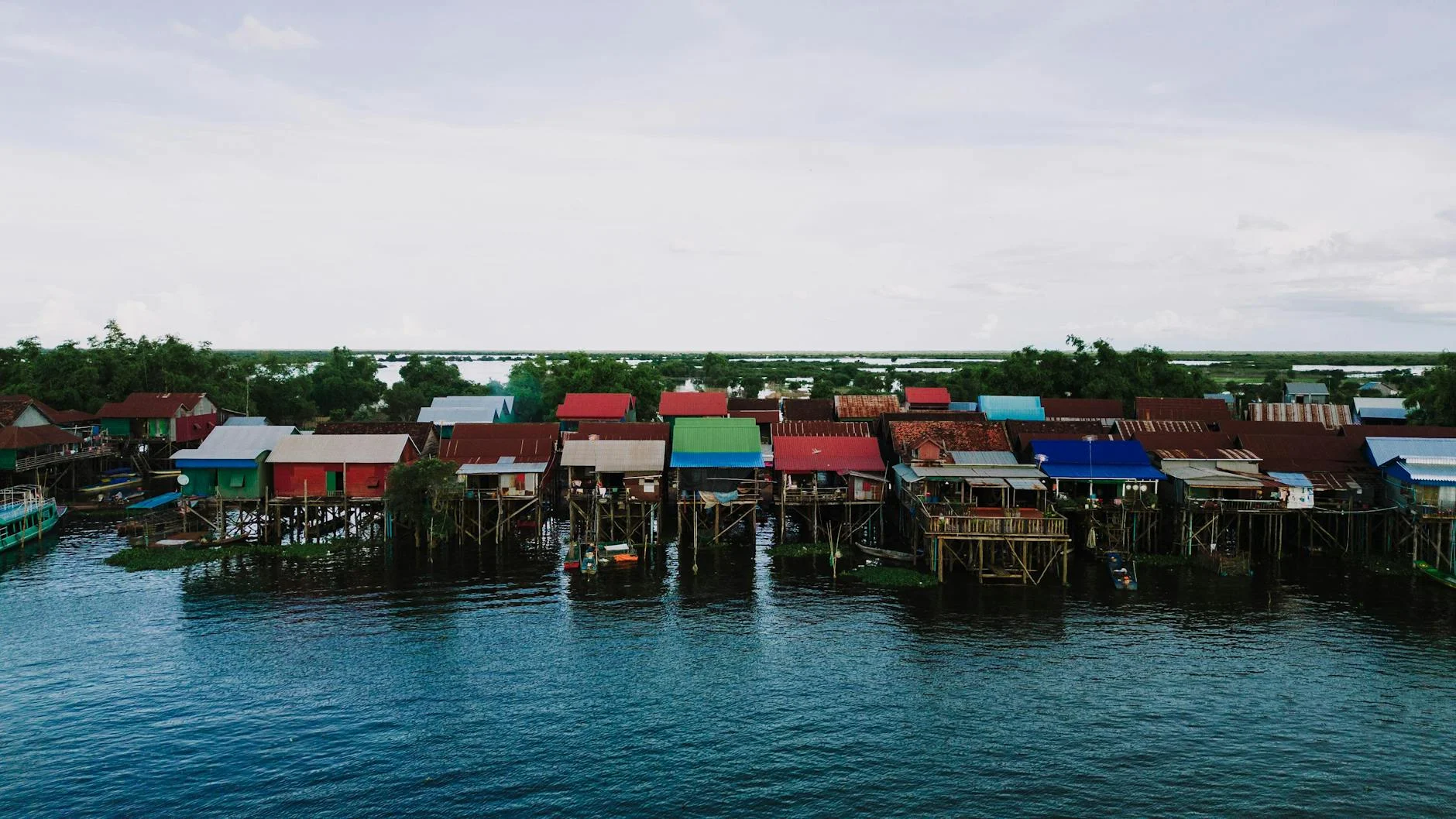
Hello, Fact Fans! Today, let’s embark on a journey to one of Southeast Asia’s most astonishing natural and cultural wonders: Tonle Sap Lake in Cambodia. This lake is far more than just a massive body of water; it is an ecological heartland and home to extraordinary communities that have built entire civilizations upon its surface. Imagine, entire villages floating, moving with the rhythmic pulse of this giant lake.
The phenomenon of Floating Villages on Tonle Sap Lake offers an incredible glimpse into a life where every aspect, from homes and schools to markets, is uniquely adapted to an aquatic environment. Life here is a constant dance between humanity and nature, a harmony expressed in stilted houses and boats as primary modes of transport. Join us as we delve into seven fascinating facts that reveal the charm and resilience of the Tonle Sap people.
7 Fascinating Facts About Floating Villages on Tonle Sap Lake
1. Tonle Sap Lake: A Pulsating Seasonal Heartbeat
Tonle Sap Lake holds the title of Southeast Asia’s largest freshwater lake and is globally recognized as one of the most productive ecosystems. Its primary distinction is a remarkable seasonal “heartbeat.” During the rainy season, from May to October, the surging waters of the Mekong River reverse the flow of the Tonle Sap River, causing the lake to swell dramatically from approximately 2,700 km² to over 16,000 km². This incredible natural phenomenon sees the lake act as a vital natural reservoir, preventing major flooding in the Mekong Delta. The inhabitants of the floating villages must constantly adapt to these drastic water level fluctuations, often literally relocating their homes. (Source: UNESCO)



2. Ingenious Floating Construction Techniques
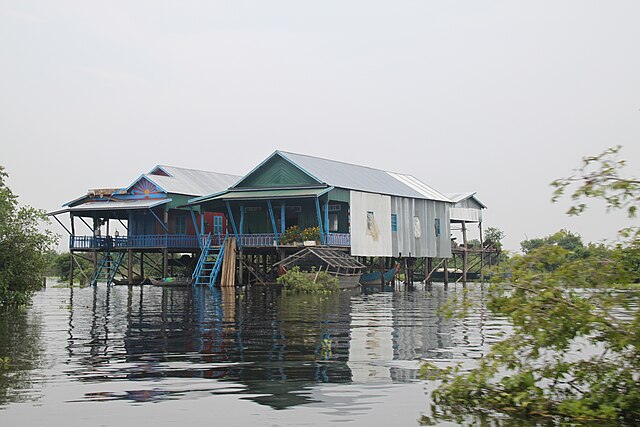
How does an entire village manage to float? The people of Tonle Sap have, over centuries, developed remarkably clever and sustainable construction techniques. Their homes are built upon rafts made of bamboo, empty barrels, or metal drums that serve as buoyant foundations. Some villages feature tall stilted houses specifically designed to cope with extreme water level changes, while others are entirely floating and can be moved. This offers incredible flexibility, allowing residents to follow resources or avoid congested areas. This design reflects profound local wisdom in utilizing available materials and fully adapting to their aquatic surroundings, a testament to innovation in the face of natural challenges. (Source: Travel Addicts)
3. Harmonious Multi-Ethnic Communities
The floating villages on Tonle Sap Lake are inhabited by a diverse array of ethnic groups living side-by-side. The majority of the population comprises ethnic Khmer, but there are also significant Vietnamese and Cham communities that form an integral part of Tonle Sap’s cultural mosaic. Each group brings its unique traditions, languages, and practices, creating a rich tapestry of cultures on the water. Despite their different backgrounds, they all share a common thread: their reliance on the lake for their livelihood and way of life. This diversity truly adds to the richness and complexity of the lifestyle in the Floating Villages on Tonle Sap Lake. (Source: Cambodia.org)

4. Schools, Markets, and More on the Water
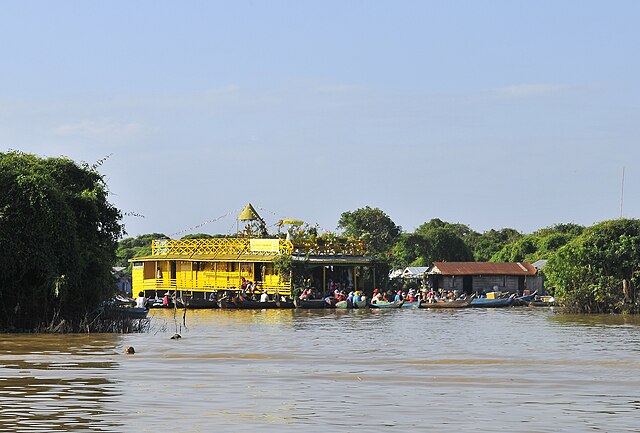
Do not be mistaken, Fact Fans; these villages are not merely collections of houses. They are self-sufficient communities equipped with all essential facilities. You will discover floating schools, where children travel to class using small boats or sampans. There are also bustling floating markets where fresh fish, vegetables, and daily necessities are traded from boat to boat. Furthermore, temples, churches, and even police stations are also afloat, demonstrating the completeness of this social ecosystem. These facilities are incredible testaments to the extraordinary adaptation to their living environment. (Source: Lonely Planet)
5. Fishing: The Primary Lifeline
Tonle Sap Lake stands as one of the world’s richest freshwater fishing grounds, and it is no surprise that fishing forms the economic backbone for most residents of the floating villages. More than 500,000 tons of fish are harvested from the lake annually, providing a vital protein source for millions of Cambodians. Various traditional fishing methods are still employed, ranging from nets to traps. The fish’s life cycle is intrinsically linked to the lake’s flood cycle, where fish breed in the inundated forests. The survival of this lake ecosystem is critically important for the livelihood and food security of the local communities. (Source: WCS)

6. Modern Challenges and Environmental Adaptation
Although life in the Floating Villages on Tonle Sap Lake may appear idyllic, its inhabitants face significant challenges. Global climate change impacts rainfall patterns and the Mekong flow, which in turn affects the lake’s flood cycle. Deforestation around the lake and dam construction upstream on the Mekong also threaten the lake’s ecosystem health and its fish populations. Furthermore, issues of pollution and sanitation are serious concerns in these densely populated villages. Communities continuously strive to adapt, seeking new ways to ensure the sustainability of the lake and their unique way of life. (Source: ASEAN Briefing)

7. Cultural Charm and Ecotourism Potential
The uniqueness of these floating villages has captured global attention, making them a popular ecotourism destination. Tourists arrive to witness this extraordinary lifestyle firsthand, taking boat trips through the villages, visiting markets, and learning about Khmer culture. Responsible ecotourism can provide essential income for local communities and aid in preserving this fragile environment. However, it is crucial to ensure that tourism is conducted in a manner that respects local culture and does not harm the delicate ecosystem. The floating villages are a profound reflection of Cambodia’s resilience and rich cultural heritage. (Source: Tourism Cambodia)

The story of the Floating Villages on Tonle Sap Lake serves as a powerful reminder of humanity’s incredible ability to adapt and thrive even in the most unique circumstances. It is not merely about houses that float, but about resilient communities, rich cultures, and a deep connection to the natural world.
We hope this article has broadened your perspective, Fact Fans, on this Cambodian marvel. Life on Tonle Sap teaches us about flexibility, community, and the vital importance of maintaining ecological balance. Visit our homepage for more insights.