
7 Unique Facts About Animals and Plants from Mexico That Will Astound You!
Hello Fact Fans! When the word ‘Mexico’ pops up, what’s the first thing that comes to mind? Is it the vibrant mariachi music, the sizzling street tacos, or perhaps the ancient pyramids steeped in history? While all these are undeniably captivating aspects of this incredible nation, there’s an entire, equally mesmerizing world that often goes unnoticed: the unparalleled biodiversity of animals and plants from Mexico.
Mexico is not just a geographical location; it’s a biological bridge, connecting two vast continents and establishing itself as one of the most biodiverse countries on Earth. Imagine a land encompassing everything from scorching deserts to lush rainforests, towering mountains to pristine coastlines. This incredible range of ecosystems nurtures an astonishing array of endemic species—creatures and flora you simply won’t find anywhere else. Prepare to be amazed as we delve into 7 fascinating and inspiring facts about animals and plants from Mexico that will undoubtedly deepen your appreciation for its natural heritage.
1. The Star Begonia: A Beautiful Healer with a Toxic Secret
Fact Fans, let’s begin our journey with the captivating Star Begonia (Begonia heracleifolia). This ornamental plant, native to Mexico and Central America, is truly a sight to behold. Its most distinctive feature? The striking star-shaped leaves, often showcasing two contrasting colors, which make it a highly sought-after plant for gardens and indoor spaces alike.

Beyond its undeniable aesthetic appeal, the Star Begonia holds a significant place in traditional medicine within its native regions. Historical records and local practices suggest that parts of its stem were used to treat ailments such as wounds, rheumatism, and various pains. This dual nature of beauty and utility makes it a remarkable specimen among the plants from Mexico.
However, a crucial piece of information for pet owners: despite its healing properties for humans, the Star Begonia is toxic to household pets. It contains high levels of oxalic acid, which can cause significant irritation if ingested by curious animals. Therefore, while appreciating its unique charm, it’s essential to keep this plant safely out of reach of your beloved companions. Beauty and safety must always go hand in hand.
2. The Roadrunner: Speed Demon and Border Ecosystem Navigator

The Greater Roadrunner, an animal often recognized from popular culture, is a truly iconic bird of the arid American Southwest and Mexico. These fascinating creatures are celebrated for their incredible speed, often reaching up to 20 miles per hour on foot, preferring to run down their prey rather than take to the skies. They are truly masters of their terrestrial domain.
The region along the US-Mexico border forms a vital and delicate ecosystem. It serves as a crucial migratory corridor for numerous species, including the Roadrunner, as they move between different habitats. This constant movement underscores the intricate biological connections that transcend political boundaries and highlights the importance of maintaining ecological continuity.
The Roadrunner’s journey serves as a powerful symbol of wildlife resilience and the ongoing challenges faced by migratory animals from Mexico. Efforts to preserve these natural pathways are critical for ensuring the long-term survival of such unique species. Their persistent navigation of challenging landscapes is a testament to the enduring spirit of nature.
3. Mexidracon Longimanus: Unearthing Mexico’s Long-Handed Dinosaur

Mexico, a land teeming with ancient human civilizations, also holds captivating secrets from a much deeper past: the age of dinosaurs! Fact Fans, prepare to meet Mexidracon longimanus, a unique genus of ornithomimid dinosaur, meaning ‘bird-mimic.’ This remarkable discovery was made in the Cerro del Pueblo Formation in Mexico, opening a new window into the country’s rich paleontological history.
What sets Mexidracon apart, and indeed gives it its name, is its ‘autapomorphy’ or distinct feature: an extreme elongation of its metacarpus, the bones forming its ‘hands.’ This gives it the informal title of a ‘long-handed dinosaur.’ This fascinating characteristic not only adds to the known diversity of dinosaur species but also provides vital insights into the paleobiogeographical distribution of ornithomimosaurs in southern Laramidia during the Campanian stage.
The Cerro del Pueblo Formation itself is celebrated as one of Mexico’s richest sites for dinosaur fossils. The discovery of such unique ancient animals from Mexico underscores the country’s immense geological significance and its potential to reveal even more incredible prehistoric wonders. It’s a powerful reminder that history is written not just by humans, but by the very earth beneath our feet.
4. Otomi Art: Weaving Nature’s Tapestry into Cultural Expression
Mexico’s deep connection with nature is not just observed in its landscapes but also beautifully expressed through its rich cultural heritage. A prime example is the stunning textile art of the indigenous Otomi people. They are renowned for their vibrant and intricately embroidered fabrics, which frequently feature distinct motifs of local animals and plants from Mexico.
Each stitch and color in Otomi embroidery tells a story, conveying profound cultural meanings and reflecting the harmonious relationship the community shares with its environment. These patterns are not merely decorative; they symbolize respect for nature, daily life, and ancestral beliefs. Exotic birds, resilient cacti, and blossoming flowers are depicted with a unique stylistic flair, showcasing the region’s biodiversity through an artistic lens.
This traditional art form not only enriches Mexican culture but also serves as an important visual record of the diverse flora and fauna that thrive there. Otomi art reminds us that human creativity and natural beauty are intrinsically linked, offering an inspiring perspective on how cultural identity can be preserved and celebrated through the appreciation of the natural world. It’s a testament to artistic ingenuity inspired by nature.
5. Mexico: The World’s Cactus Capital

When discussing plants from Mexico, it’s impossible to overlook the unparalleled diversity of its cacti. Mexico is proudly recognized as the global epicenter of cactus biodiversity, harboring thousands of species, a significant number of which are endemic to its varied landscapes. From the diminutive to the towering, Mexican cacti present a masterclass in adaptation.
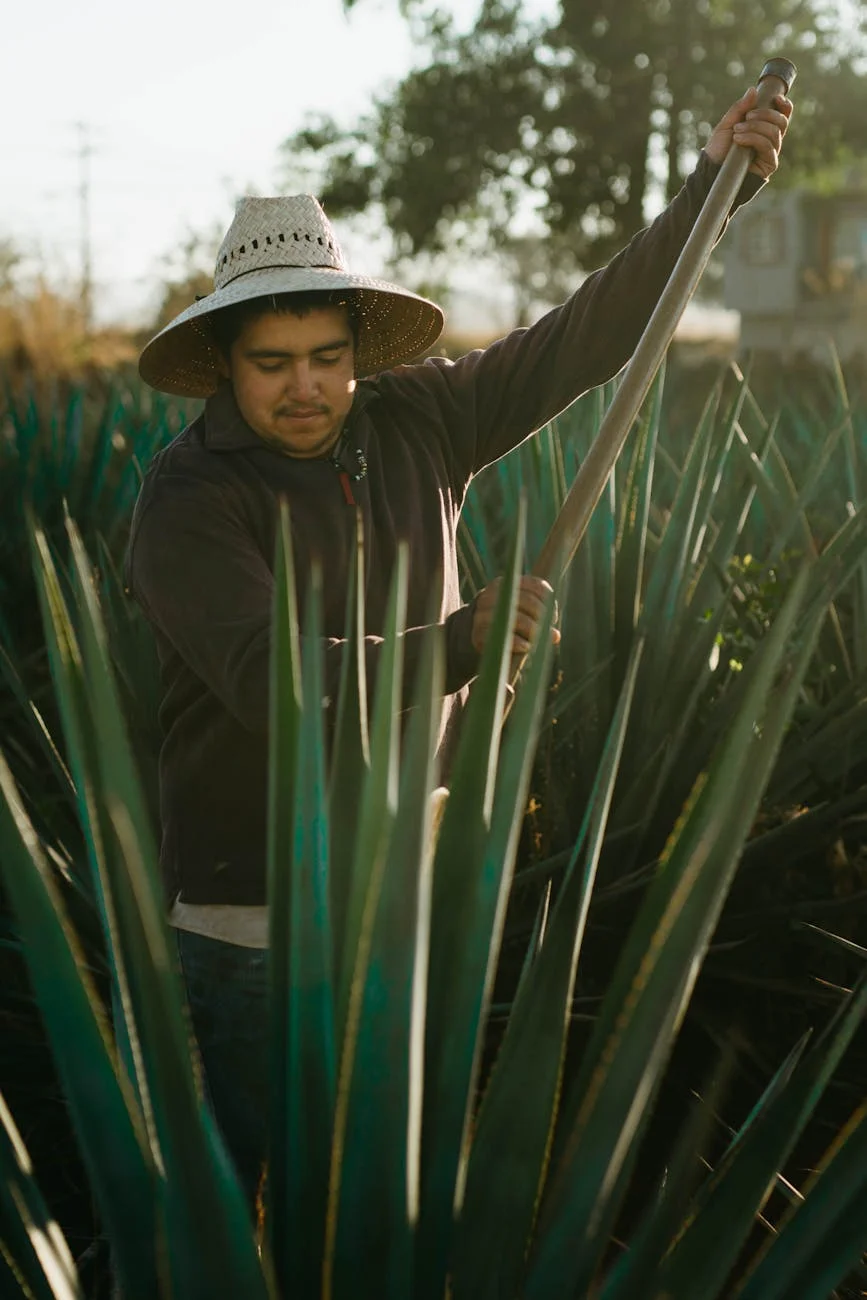
Species like the resilient Lechuguilla cactus and various Agave plants are not just spiky survivors of harsh desert conditions; they are ecological marvels. Their distinctive features, such as formidable spines, serve not only as defense mechanisms but also play a role in reducing water loss.
Many cacti also produce surprisingly beautiful and vibrant flowers during their blooming seasons, attracting a host of pollinators crucial to the ecosystem.
Furthermore, several Agave species hold immense cultural and economic significance, most notably Agave tequilana, the source of Mexico’s iconic spirit, tequila. These remarkable plants from Mexico embody resilience, utility, and understated beauty. Teaching us valuable lessons about adaptation and the intricate balance required for survival in challenging environments. Truly, a spiky testament to nature’s ingenuity!
6. The Mexican Snowball (Echeveria elegans): Beauty with a Caution
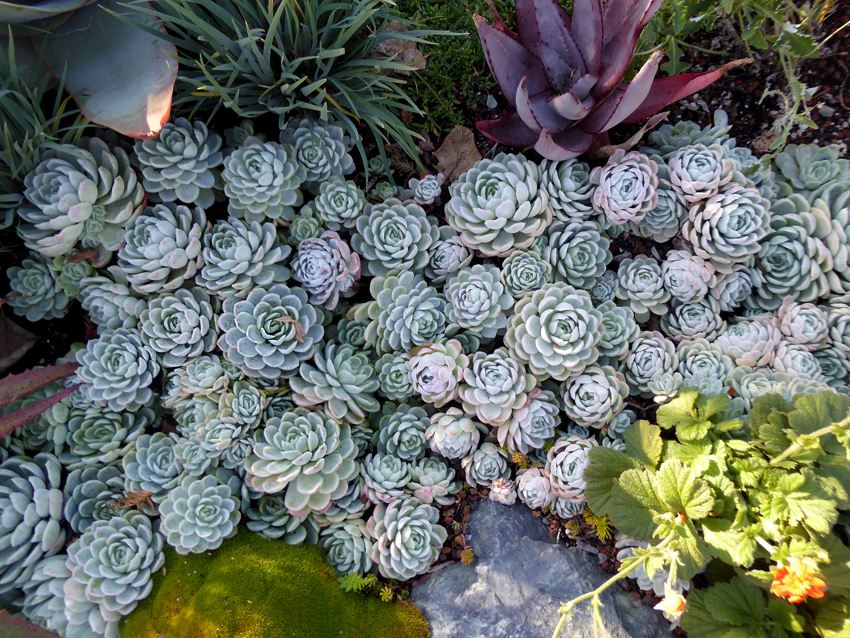
For gardening enthusiasts, especially those drawn to succulents, the Mexican Snowball (Echeveria elegans) is likely a familiar and cherished sight. This charming succulent, native to Mexico, earns its popularity from its exquisite rosette form and beautiful pale green to blue-green leaves, resembling a delicate, frost-kissed flower. It’s a go-to choice for both seasoned gardeners and beginners alike.
The Mexican Snowball thrives in conditions mirroring its dry, natural habitat, demanding minimal watering and abundant sunlight. Its low-maintenance nature makes it an ideal addition for anyone seeking a touch of natural beauty without extensive care. However, like many other captivating plants from Mexico, there’s a critical detail that needs attention, particularly for pet owners.
A word of caution: Echeveria elegans is considered toxic to pets, including dogs and cats. Ingestion can lead to mild to moderate gastrointestinal upset. Thus, while its aesthetic appeal is undeniable, responsible placement is paramount. Ensure this lovely succulent is situated in an area inaccessible to your beloved animal companions, allowing for the enjoyment of its beauty without compromising the safety of your furry friends. Awareness ensures a harmonious home.
7. Ancient Cave Paintings: A Prehistoric Record of Mexican Life
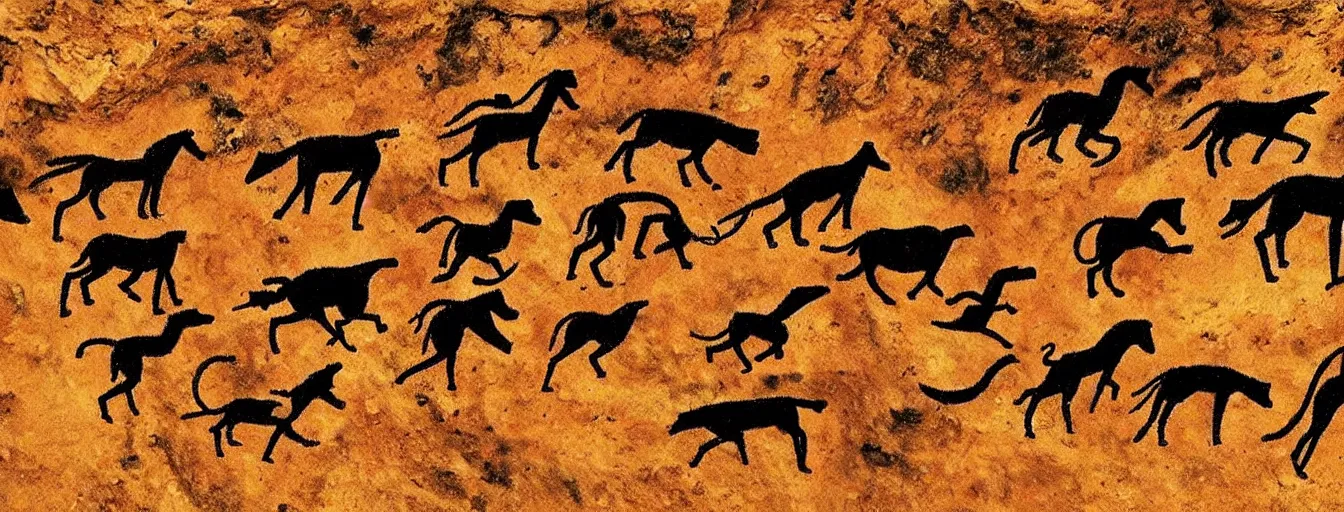
Finally, let’s take a remarkable journey into Mexico’s distant past, where art and nature converge. Across various regions of Mexico, archaeologists have discovered thousands of incredibly well-preserved prehistoric cave paintings. These aren’t abstract doodles; they are vivid and detailed depictions of the animals and plants from Mexico that were crucial for the survival of early human inhabitants.
These ancient murals serve as invaluable visual records, offering direct insights into how prehistoric humans interacted with their environment. They illustrate hunting practices, gathering methods, and a profound understanding of the natural cycles that dictated their existence. These paintings are arguably the earliest forms of ‘documentary’ evidence, showcasing the deep-seated connection between humanity and the natural world, long before modern technology.
Through these ancient artworks, we gain a unique glimpse into the rich biodiversity of Mexico that existed thousands of years ago. They powerfully convey that human appreciation for, and dependence on, nature is an enduring legacy. This profound reflection emphasizes the critical importance of preserving the diverse animals and plants from Mexico for future generations, ensuring the continuation of life as we know it.
The Enduring Legacy of Animals and Plants from Mexico
Fact Fans, our exploration of the unique animals and plants from Mexico has been an illuminating journey. From the deceptively beautiful yet toxic Star Begonia to the swift Roadrunner, the long-extinct Mexidracon dinosaur, the culturally rich Otomi art, the resilient desert cacti, the charming Mexican Snowball succulent, and the historical narratives etched in ancient cave paintings—each revelation underscores Mexico’s extraordinary natural heritage.
This immense biodiversity is more than just a list of species; it is a precious legacy that demands our collective attention and stewardship. Each fact serves as a powerful reminder that nature continually surprises, inspires, and educates us about the intricate dance of life. We are called to be more aware, more caring, and more responsible in our efforts to conserve every facet of this planet’s natural wonders.
We hope this article has broadened your understanding and ignited a passion for learning about the wonders of the natural world. If you’re looking to create compelling educational content or need assistance with creative branding and professional web design, Depotopic is here to help! We offer professional WordPress website development that is modern, SEO-ready, and fully customized to your needs. Feel free to reach out via email or explore our Content Placement services. Until our next deep dive into fascinating facts, stay curious!


