Why August Is Named After Augustus Caesar?
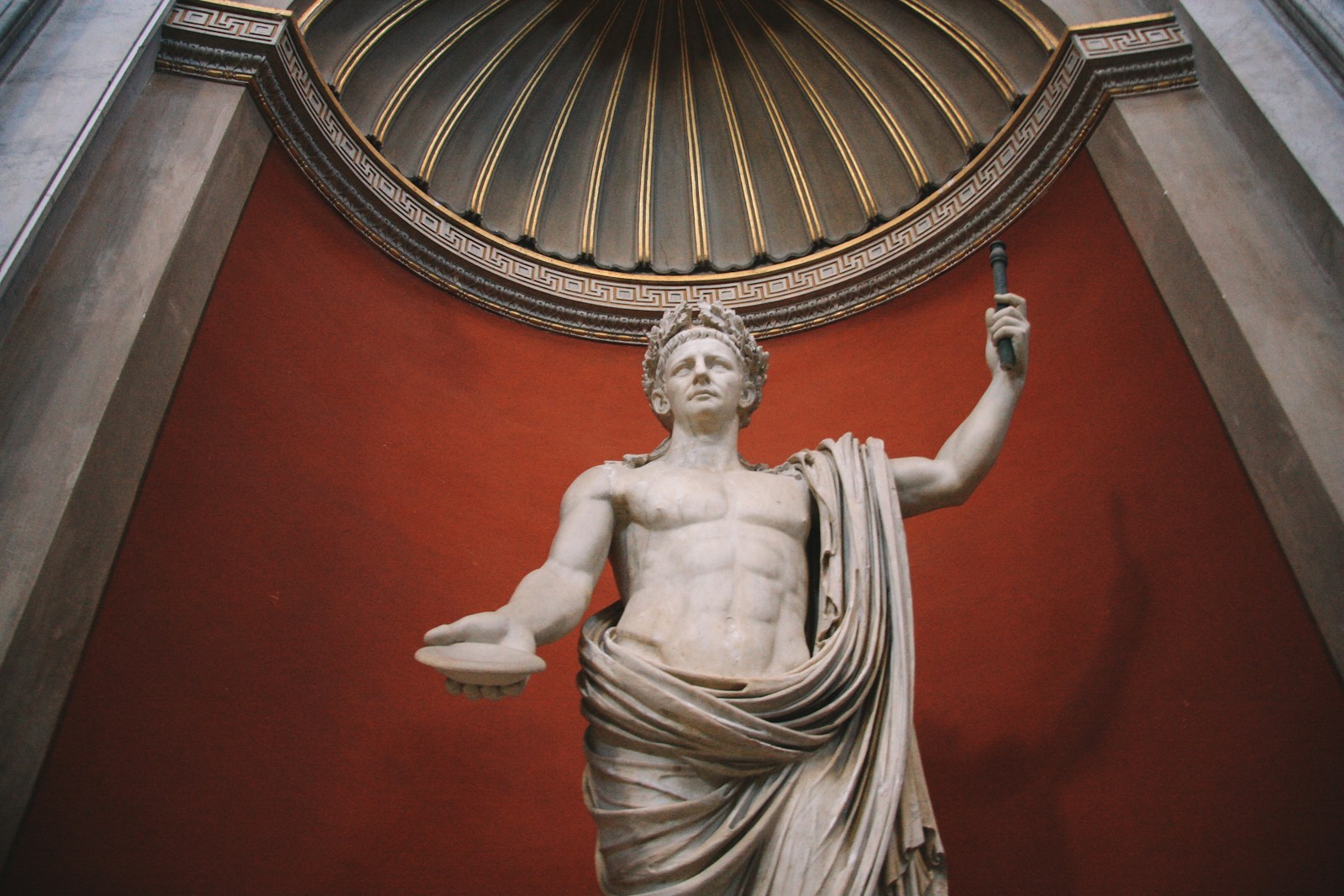
Have you ever wondered about the origins of the names of our months? While some, like March (Mars) or June (Juno), have clear connections to Roman deities, the story behind August is a bit different. It’s not named after a god, but rather one of the most influential figures in Roman history: Augustus Caesar.
The transition from a republic to an empire in Rome was tumultuous, marked by civil wars and political upheaval. Amidst this chaos, a new figure emerged, one who would bring unprecedented peace and prosperity to the Roman world. This was Octavian, who later adopted the revered title of Augustus.
From Sextilis to Augustus: A Month’s Transformation
Before it was known as August, this month had a different, less distinguished name: Sextilis. As the name suggests, it was the sixth month in the original Roman calendar, which began in March. However, the Roman calendar underwent several reforms over the centuries.


The pivotal change for Sextilis occurred in 8 BCE. The Roman Senate, in a grand gesture to honor their esteemed emperor, decreed that the month of Sextilis be renamed Augustus. This wasn’t merely a symbolic act; it reflected the profound impact Augustus had on Roman society.

The Legacy of Augustus Caesar
So, why was Augustus considered so deserving of this honor? His reign, which began in 27 BCE, marked the start of the Pax Romana, a period of relative peace and stability that lasted for over 200 years. Augustus skillfully navigated the political landscape, consolidating power and implementing reforms that stabilized the empire.
His achievements were vast and varied:
- Political Reforms: He restructured the Roman government, creating a more efficient administration.
- Military Successes: He expanded the empire’s borders and secured its frontiers.
- Infrastructure Development: He initiated numerous building projects, including roads, aqueducts, and temples, transforming Rome into a monumental city. He famously boasted that he “found Rome a city of brick and left it a city of marble.”
- Cultural Flourishing: His reign saw a golden age of Roman literature, with prominent figures like Virgil and Horace creating enduring works.
The renaming of Sextilis to Augustus was a testament to these accomplishments. It was a recognition of his unparalleled contributions to the stability and grandeur of the Roman Empire.
More Than Just a Name
The name change also served a practical purpose. Augustus had achieved many significant victories and milestones in this particular month. For example, he celebrated three triumphs (victory parades) in Sextilis, and it was also the month in which he brought an end to the Roman civil wars. Renaming the month after him further cemented his place in history and served as a constant reminder of his successes.
Today, every time we mark the calendar and see August, we are subtly reminded of the colossal figure who shaped the Roman Empire and left an indelible mark on Western civilization. It’s a fascinating peek into how history, power, and even our everyday language are intertwined.
Intrigued by the stories behind our calendar? Explore more about ancient Rome’s influence on our world!